A Single Move Makes the World Interactive
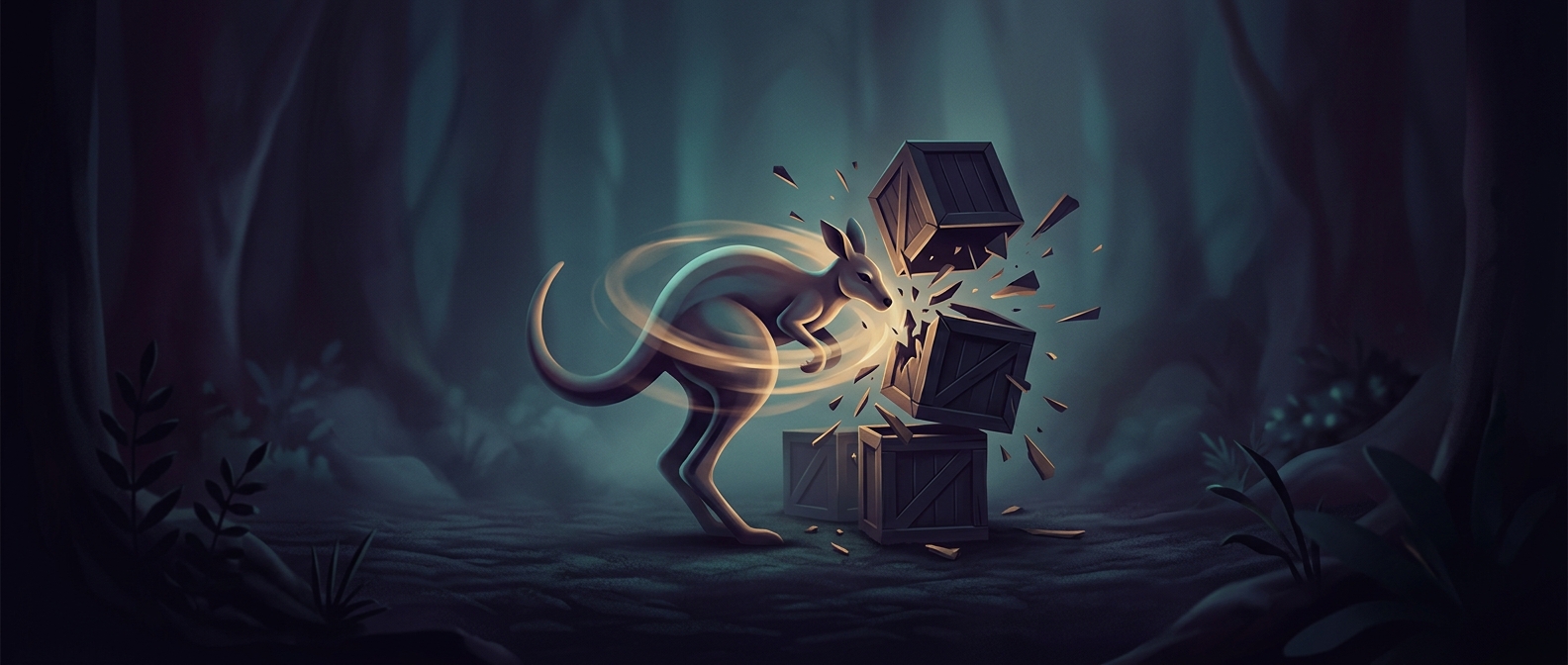
Crash’s spin is more than a way to attack enemies: it is a compact interaction tool. A player can use the same quick move to clear an obstacle, break a crate, or knock an incoming explosive away. That keeps the controls simple while making the environment feel responsive.
Wooden crates are especially useful because their purpose is immediately legible. They look breakable, and a successful hit produces a visible result. The player does not need to stop, aim, or equip a separate tool; the spin turns a brief decision—“hit it or leave it?”—into an action.
Why the Crates Matter
Crates also give the move a small reward loop. Breaking one can reveal an item or another game effect, so players are encouraged to inspect their path rather than simply rush through it. When a crate or explosive sits near a hazard, the same interaction becomes a timing choice: spin too early or too late, and the player may still take a hit.
The animation does not need to simulate how a real animal would move or how wood would behave under impact. Its job is to make the rules readable: the spin is the active move, the crate is vulnerable, and the explosion can be turned aside. That clarity lets Crash’s exaggerated action work as both spectacle and instruction. A player learns what the move can do simply by seeing the world react to it.