Why the Atacama Became a Mining Frontier
In northern Chile, saltpeter—nitrate-rich mineral deposits used in fertilizer and explosives—drew workers into one of the driest places on Earth. Humberstone and Santa Laura grew around the extraction and processing of this mineral, with facilities built to turn desert deposits into a product that could be shipped abroad. The settlements needed more than mines: they also had housing and public spaces for people living far from established cities.
A Town Built Around One Export
The industry’s fortunes depended on demand for natural nitrate. When chemical processes made synthetic nitrates available at a lower cost, the market that supported the desert works weakened. Mining operations shut down, and the towns lost the jobs that had kept their shops, services and shared spaces in use. Their abandonment was not simply a decision to leave old buildings behind; it followed the collapse of the economic system that had made settlement there viable.
What the Desert Kept
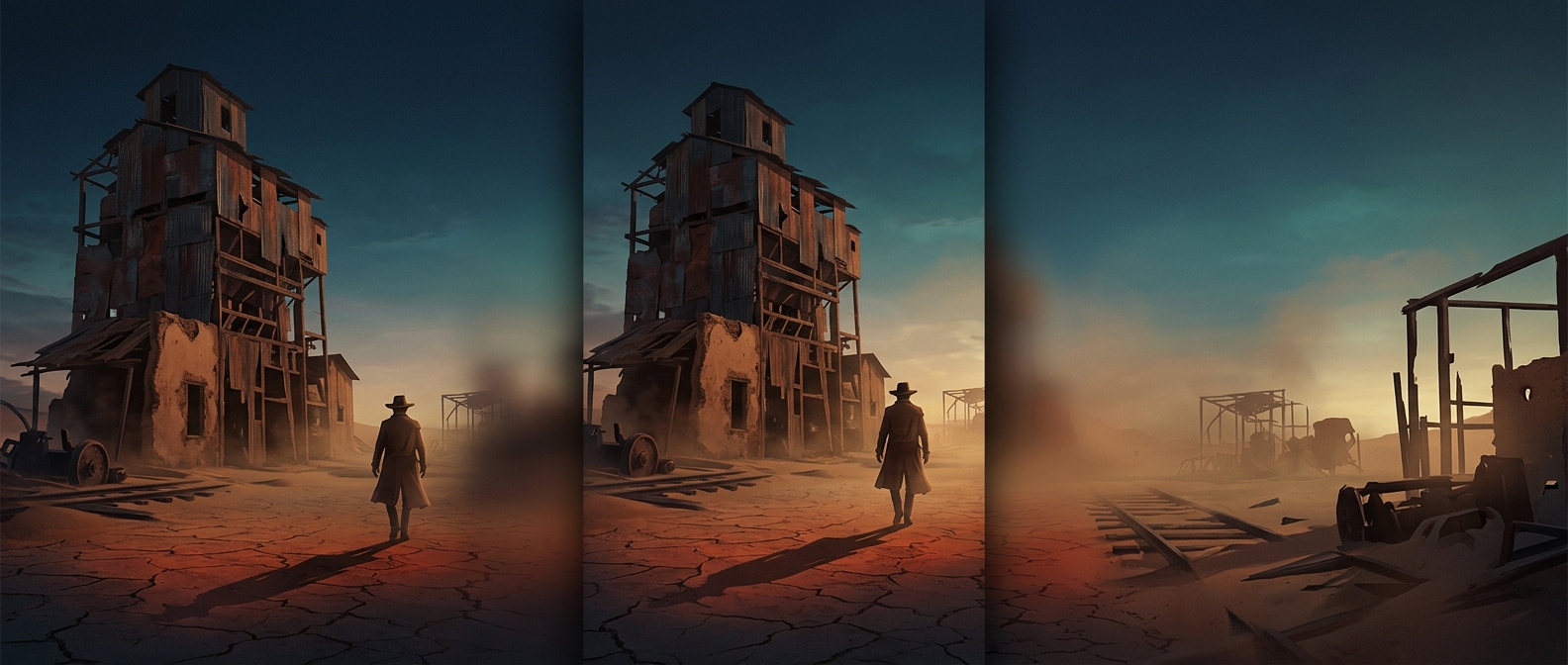
In wetter climates, rain and vegetation would gradually soften the outline of a town. The Atacama’s exceptional dryness slows that process, leaving theaters, swimming pools and industrial machinery exposed as records of everyday life and work. Metal still rusts, and buildings still deteriorate, but the lack of frequent rain has helped preserve structures that might otherwise have disappeared more quickly.
The result is a striking contrast: places once organized around a globally traded resource now stand amid the landscape that made their purpose possible. Their machinery shows how extraction worked; their theaters and pools show that these were communities, not just work sites.