The Midair Jump Is a Design Choice
A person can jump only by pushing against something. On the ground, leg muscles drive the body upward while the floor pushes back. Once airborne, there is no second surface to push against, so a character cannot simply repeat that motion in midair.
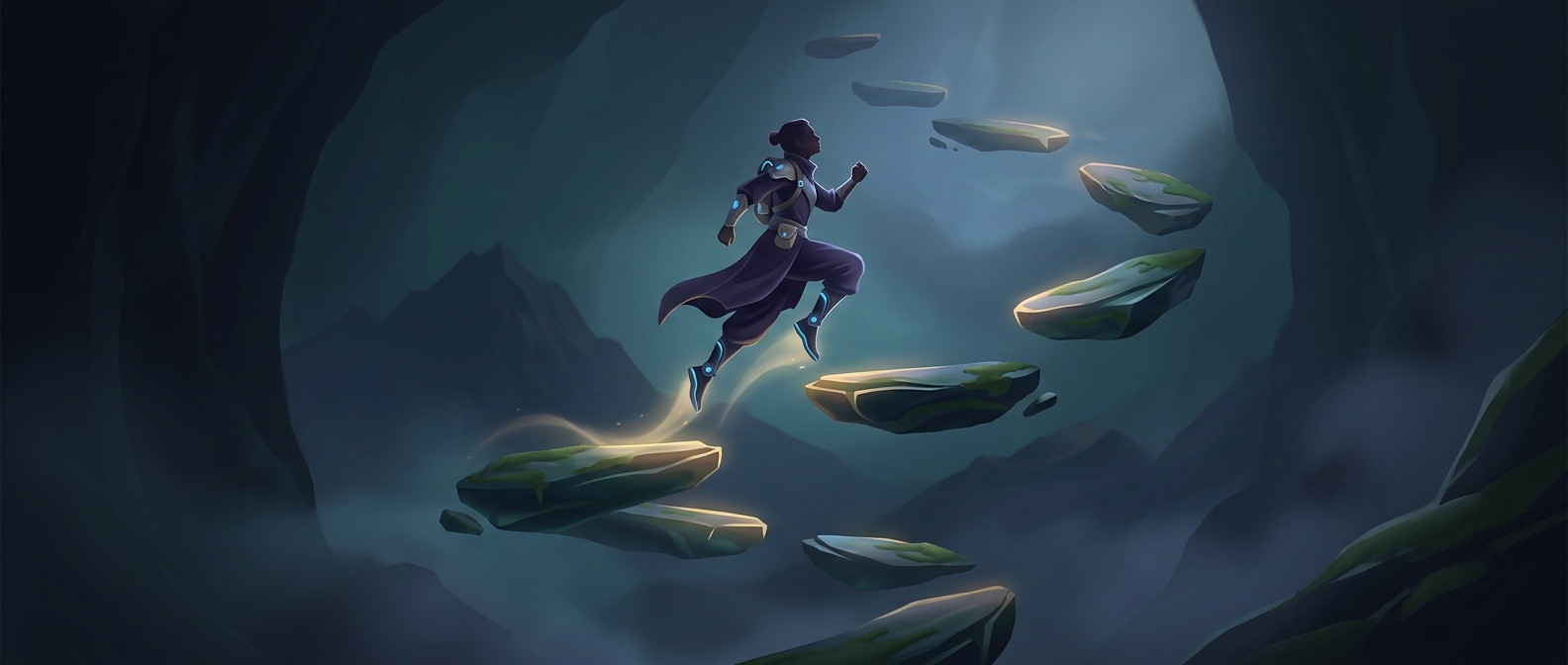
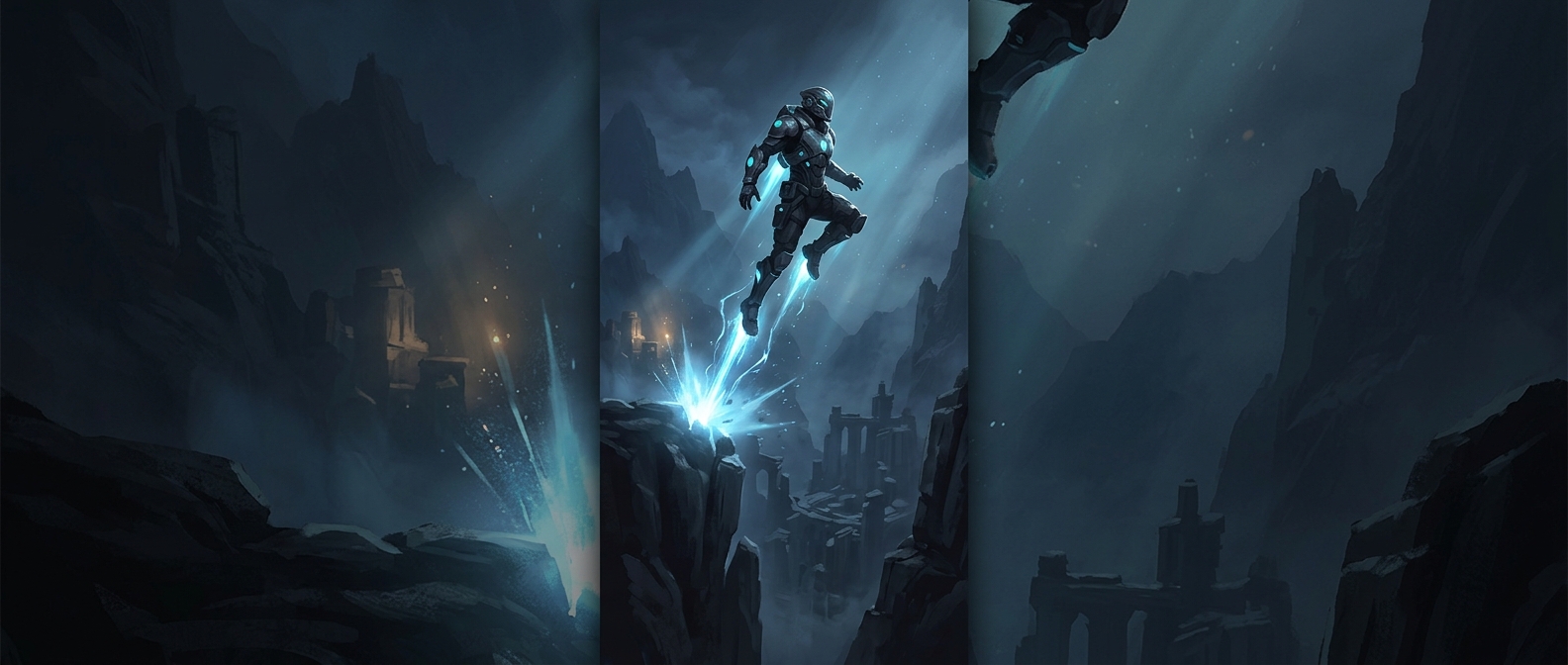
A game’s double jump deliberately gives the character another burst of upward movement anyway. The game changes the character’s velocity—the direction and speed of motion—when the player presses jump again. It may also reset the character’s jump animation or trigger a special pose, making the extra lift feel like an action rather than a hidden correction.
Why Give Players a Second Launch?
The extra jump makes movement more forgiving and expressive. A player who misjudges a gap can correct course, reach a higher ledge, or change direction after leaving the ground. That creates room for levels with wider gaps and layered routes, while giving players a chance to recover from mistakes that would otherwise mean a fall.
Designers can tune the ability by limiting how many times it works before the character lands, and by deciding how much height or control each jump provides. A powerful second jump can make traversal feel nimble; a weaker one can serve mainly as a safety net. Either way, it changes how players read a space: a ledge that looks unreachable from the floor may become a reachable destination once the midair jump is saved for the right moment.
The move is not an attempt to model an overlooked real-world trick. It is a rule that makes the game’s movement and level design work together. One impossible push off empty air can turn a missed jump into a new route.