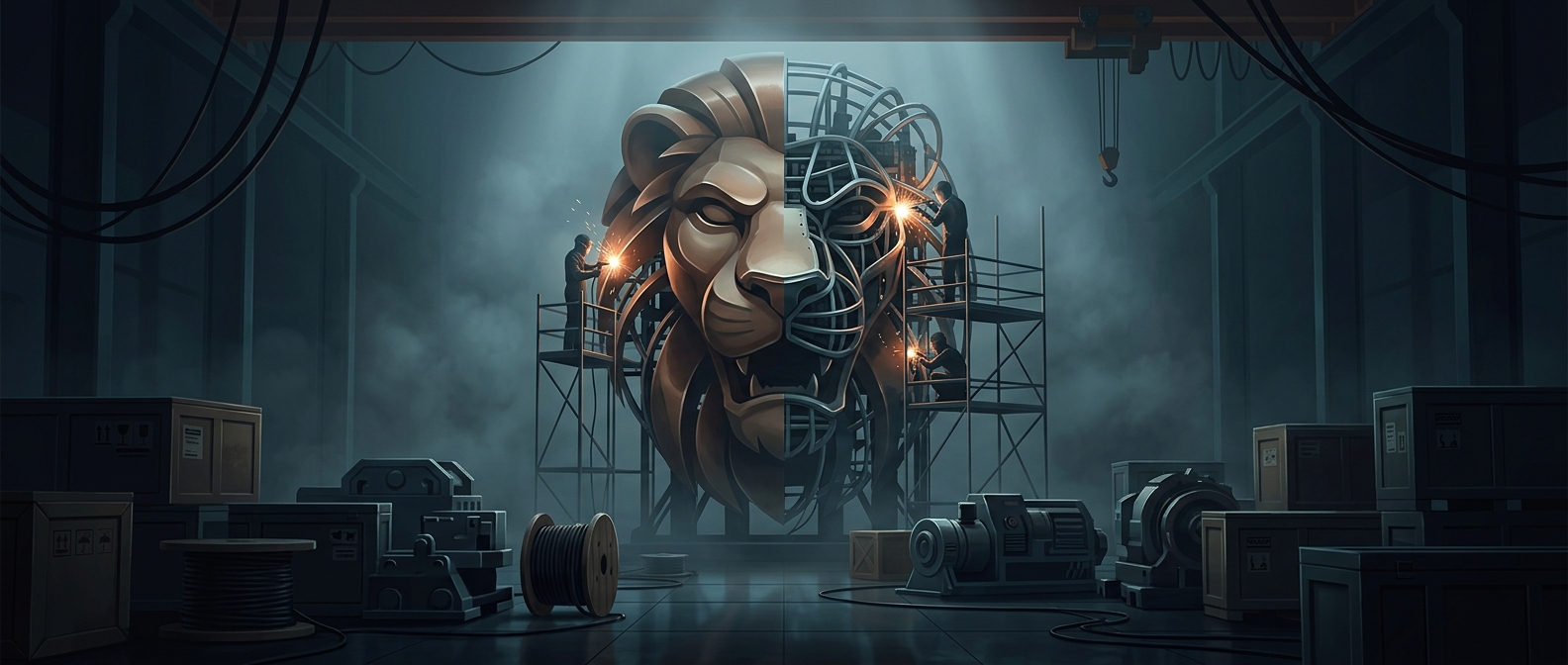
A mascot head is a wearable build, not a display piece
A head that looks convincing from the audience’s side still has to work from inside. The maker must create openings and sightlines that let the performer see enough to move safely, while arranging the face so those openings are hard to notice. Mesh, shaded eye areas, or other hidden viewing points can help—but each choice affects the expression and appearance of the finished character.
Small design choices add up
Air has to circulate through a space enclosed by foam, fabric, and other materials. The shape and placement of vents matter: openings that improve airflow can also interrupt the character’s look. The head must also stay balanced as the performer turns and walks. Poor weight distribution makes it harder to wear, so builders may adjust the internal support and padding rather than simply making the exterior shape.
Those decisions are specific to each design. A maker cannot reliably produce a convincing, comfortable head by repeating one standard pattern: the character’s proportions, materials, and performer’s fit all affect the construction. Shaping, covering, fitting, and refining the result take skilled labor, and a mismatch may require further adjustments.
The price includes wear and upkeep
A mascot head is used in motion, often for long appearances, so seams, coverings, and internal parts need to withstand handling and be maintainable. Materials that look right on camera may not be the best choice for ventilation, weight, or durability. Builders have to balance those competing needs, sometimes adding time and specialized components to solve a problem that would not matter on a static sculpture.
Because these heads are made in small numbers rather than on an assembly line, the design and labor costs are spread across few products. The result is an object whose price reflects not just its face, but the work of making that face wearable.