Why cooling soreness can change the recovery signal
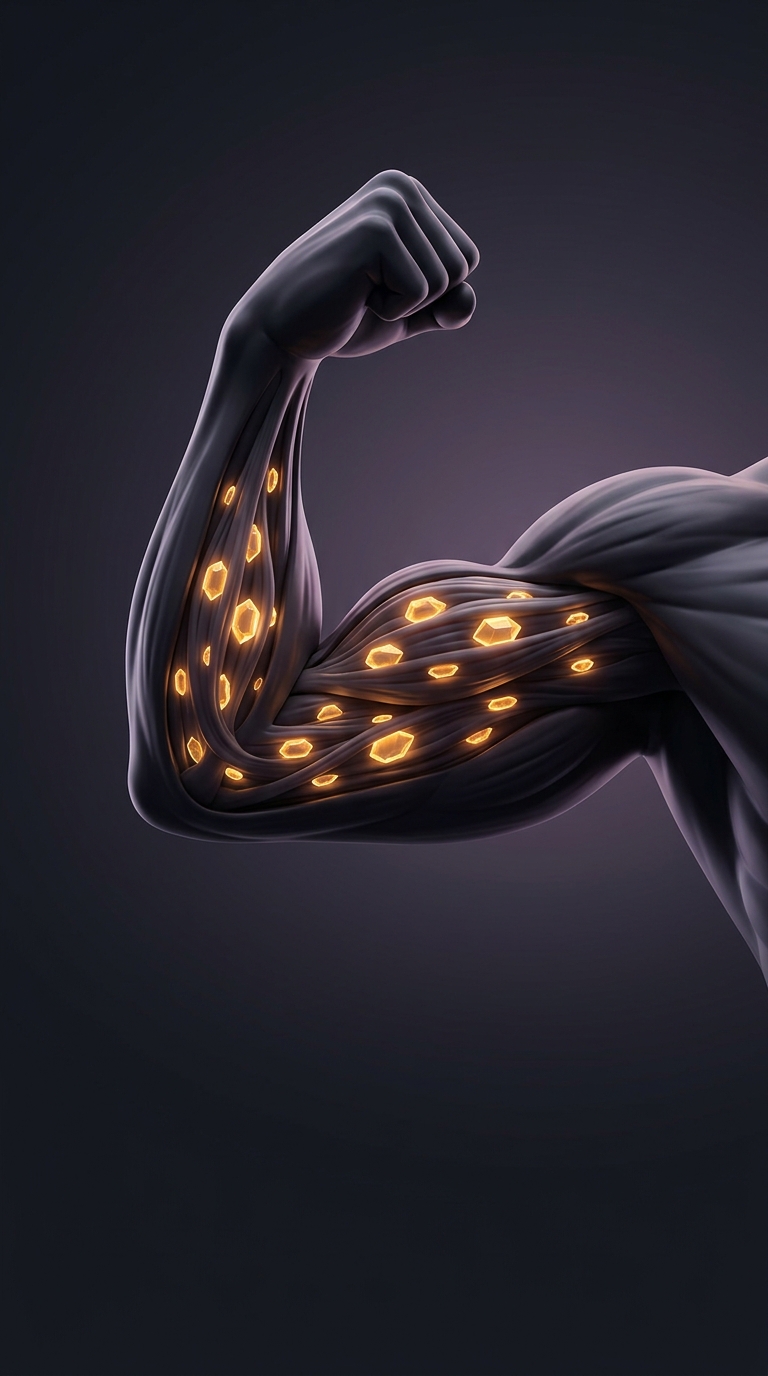
After hard exercise, the body does more than soothe sore muscles. It also starts a repair process: immune cells clear damaged material, and chemical signals help coordinate rebuilding. Some of those signals contribute to inflammation—the temporary response that can bring tenderness and swelling, but also helps tissues adapt to the work they have done.
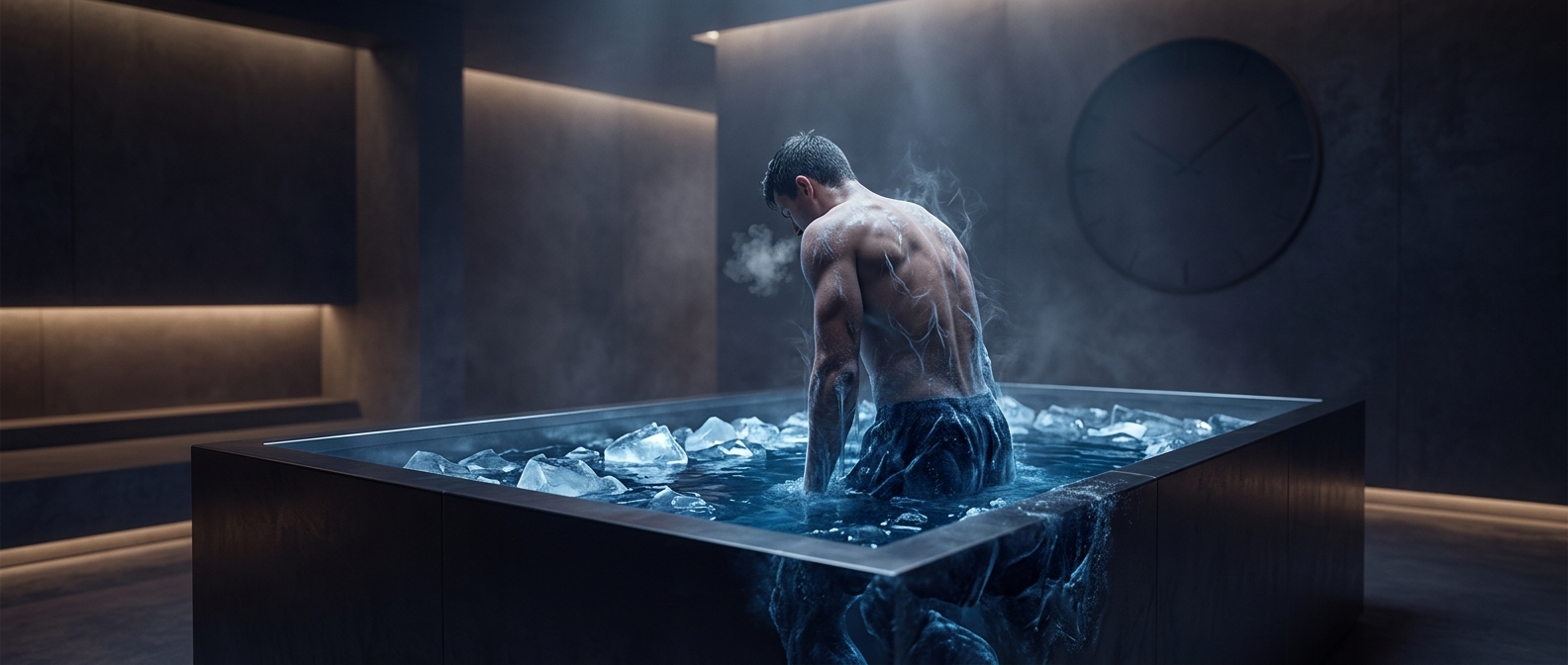
An ice bath rapidly cools the skin and underlying tissues. That can numb pain and constrict blood vessels, making soreness feel less intense for a while. But reducing discomfort is not the same as speeding repair. Repeated cold-water immersion after training may also blunt parts of the body’s signaling response, potentially reducing some muscle-building adaptations, particularly when the goal is to gain strength or size.
Relief and adaptation are different goals
The tradeoff is not simply “ice is bad” or “inflammation is good.” A person who needs to feel ready for another event soon may value short-term comfort and perceived recovery. Someone training to build muscle may be less inclined to use an ice bath routinely after every workout, because the body’s repair signals are part of the training process.
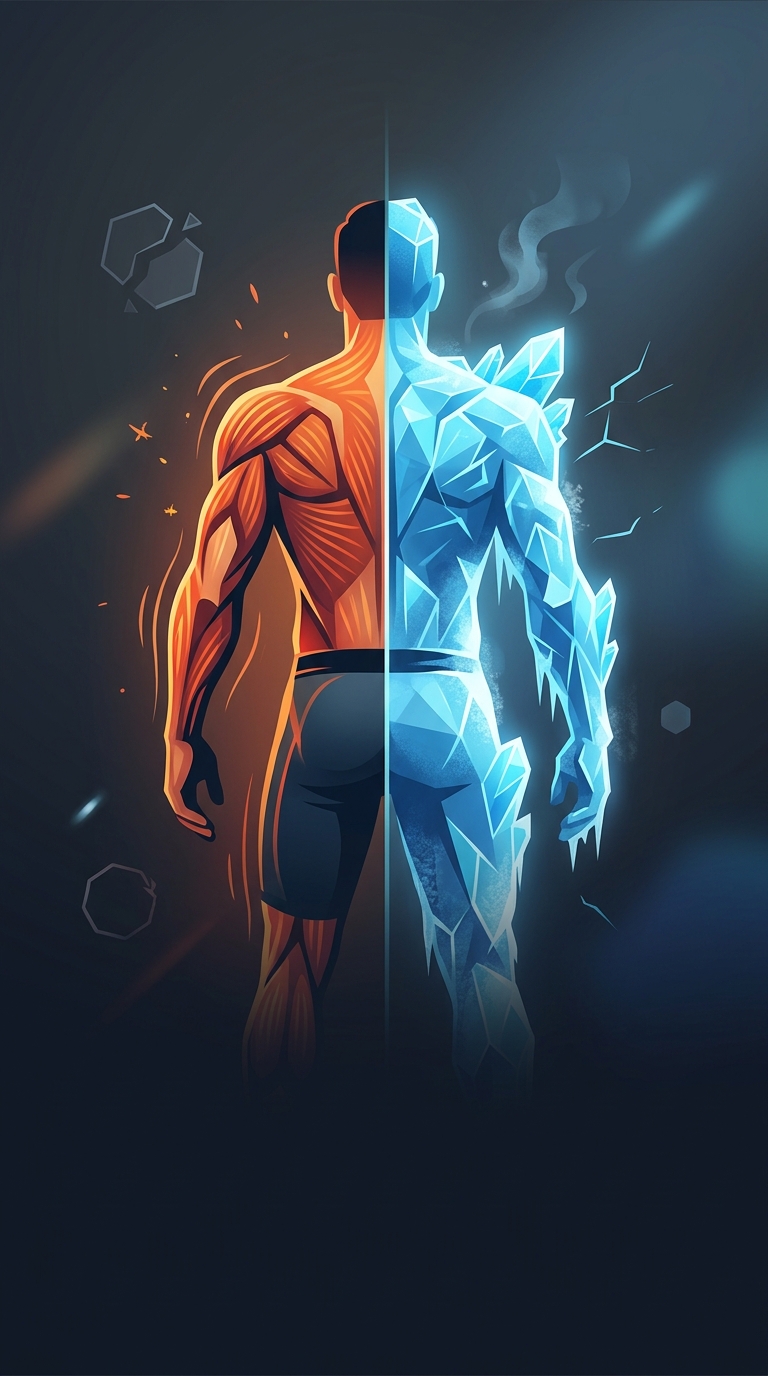
The effect depends on how cold exposure is used and what outcome matters; feeling better immediately does not prove that tissue has recovered faster. The practical distinction is simple: an ice bath may quiet the warning sensation while also muting some of the message the body uses to adapt.