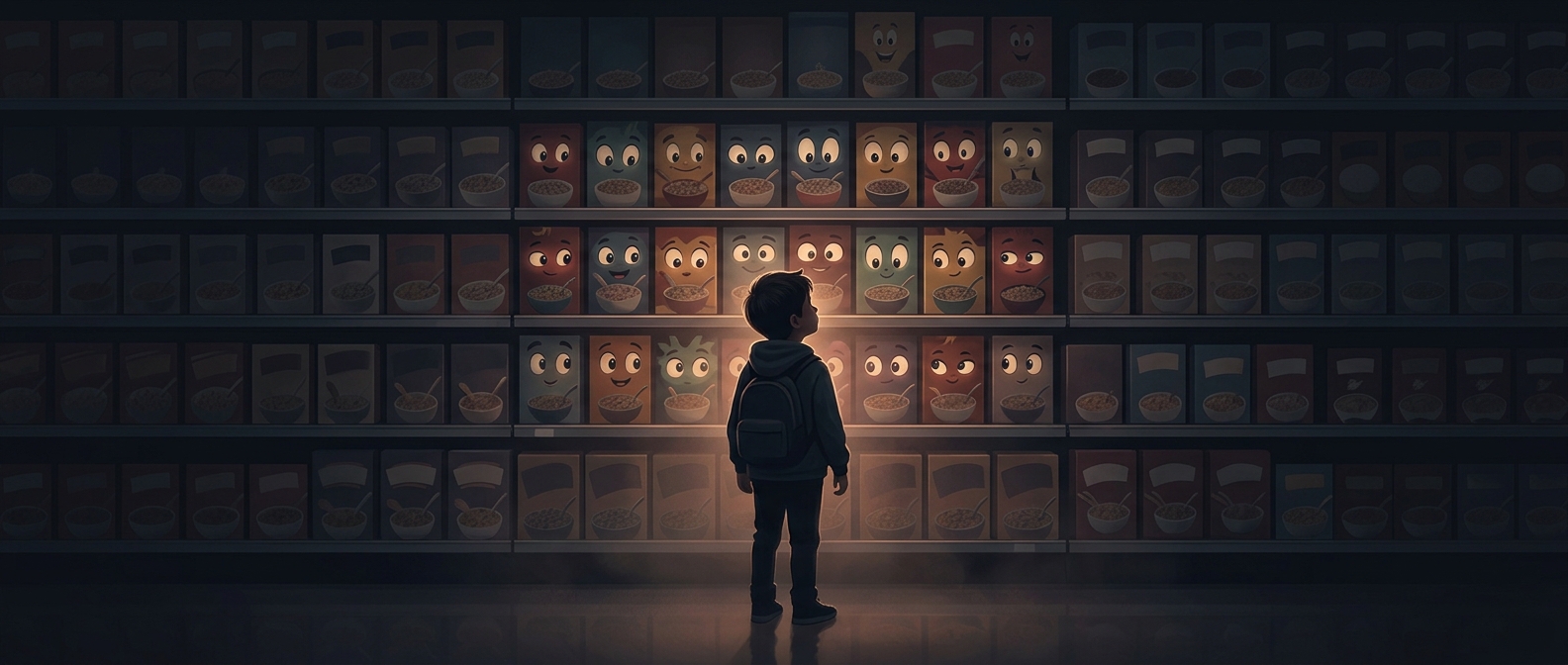
When the bonus became the product
A sales bonus is supposed to make a customer choose the main item. In William Wrigley Jr.’s case, gum was the bonus attached to baking powder in 1892. Its unexpected popularity revealed that the promotion had attracted attention to a product people wanted in its own right.
That changed the business calculation. Instead of treating gum as a cost of selling baking powder, Wrigley could put his effort into selling the gum directly. The giveaway had done more than sweeten a deal: it had tested demand with real buyers, showing which product was more compelling.
A promotion can become market research
Free samples and premiums reduce the risk of trying something unfamiliar. But they also generate useful evidence: if people show more interest in the extra than in the product meant to sell it, the seller may have uncovered a stronger opportunity. That signal matters only if the company can respond—by shifting its focus and making the popular item the business’s priority.
The switch also captures a basic tension in promotions. A bonus can bring customers in, but if it becomes the main reason they buy, the original product may no longer deserve the starring role. Wrigley’s giveaway became a turning point because it exposed that mismatch. The gum was no longer just helping sell baking powder; the baking powder had helped reveal a gum business.