The scarce thing is the record, not the file
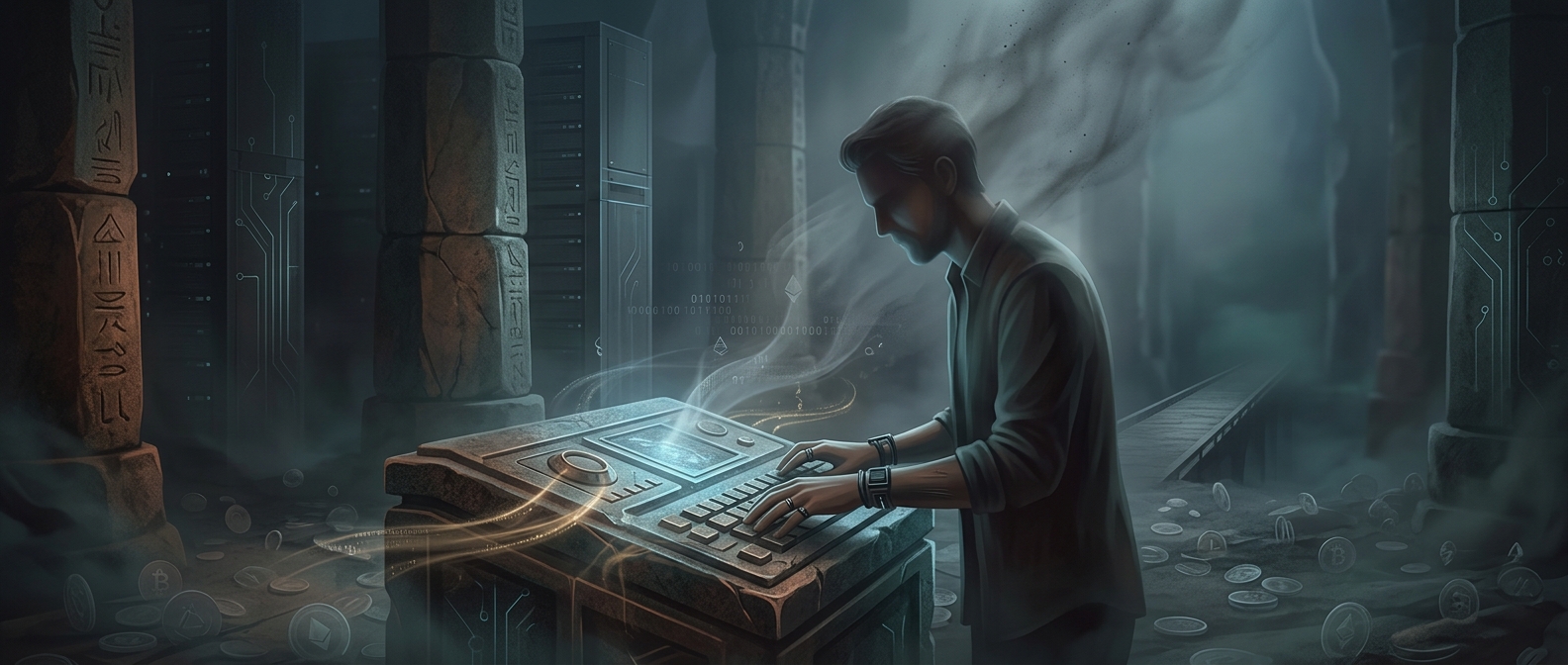
A blockchain does not stop someone from copying an image, song, or video. Instead, it can keep a shared record that identifies a particular digital token and tracks which account controls it. When people talk about buying a “unique” digital item, they usually mean acquiring that token—not gaining exclusive access to every copy of the underlying file.
That distinction is the key to digital scarcity. A file can be duplicated without changing the blockchain record, much as a picture of a numbered ticket does not transfer the ticket itself. The record can make one token distinguishable from others and show a history of transfers. Whether that distinction is valuable depends on people agreeing that the token matters.
From scarce currency to collectible tokens
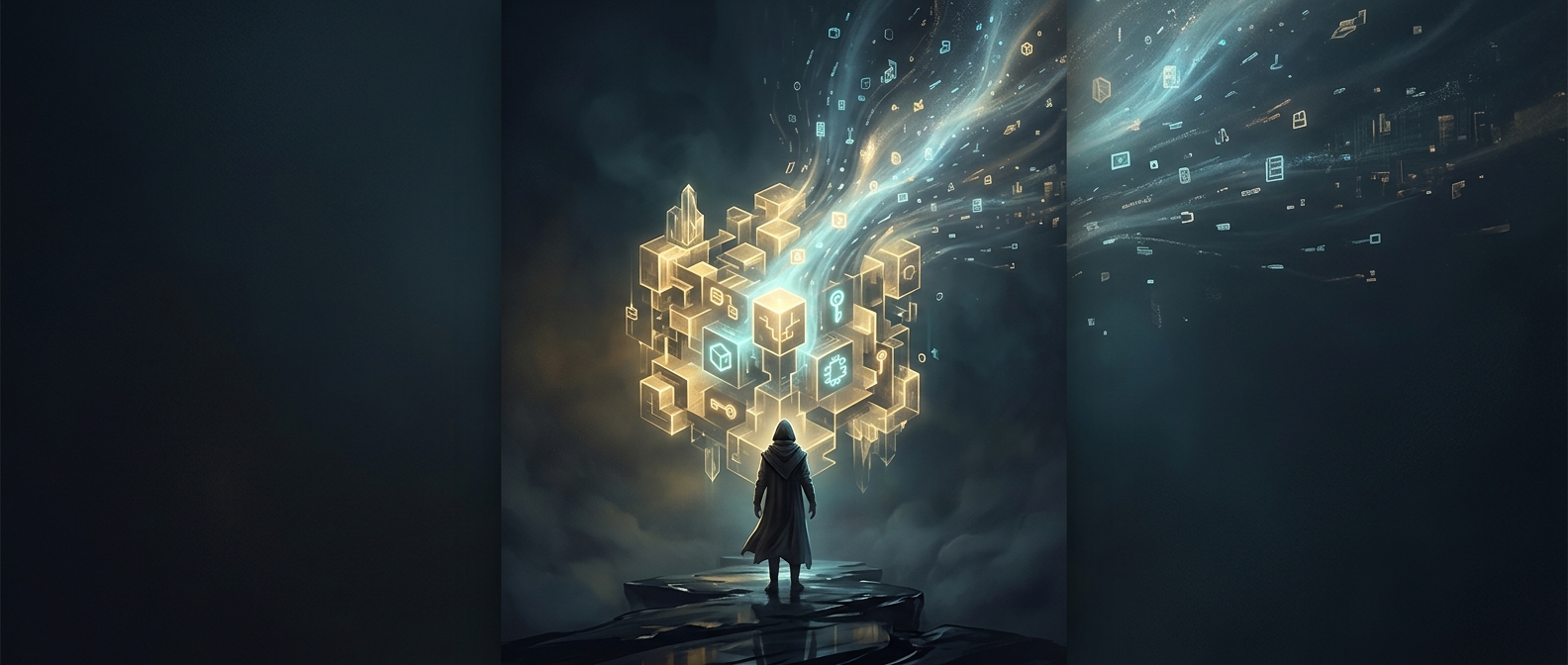
Bitcoin introduced a way for a network to maintain a shared ledger of digital ownership without relying on one central bookkeeper. Its design also limits how many bitcoins can be issued. Later, programmable blockchains let developers create tokens with different rules, including tokens intended to represent distinct items rather than interchangeable units.
These tokens are often called non-fungible tokens, or NFTs. “Non-fungible” means one token is not simply interchangeable with another in the way one dollar is interchangeable with another dollar. A token can point to a digital work or represent a claim associated with it, but the precise rights depend on the terms attached to the sale. Owning the token does not automatically mean owning the copyright or preventing others from viewing or copying the work.
Scarcity needs a market
The ledger can establish that a token is distinct and record who holds it; it cannot, by itself, make anyone want it. Buyers may value the token’s connection to a creator, its place in a collection, or its verifiable transaction history. That value is social and economic, not a property that code can guarantee.
The result is a new kind of tradable asset built around a public ownership record. Its defining tradeoff is that blockchain can make ownership claims easier to track while leaving the digital content itself easy to reproduce.