From cash to compost feedstock
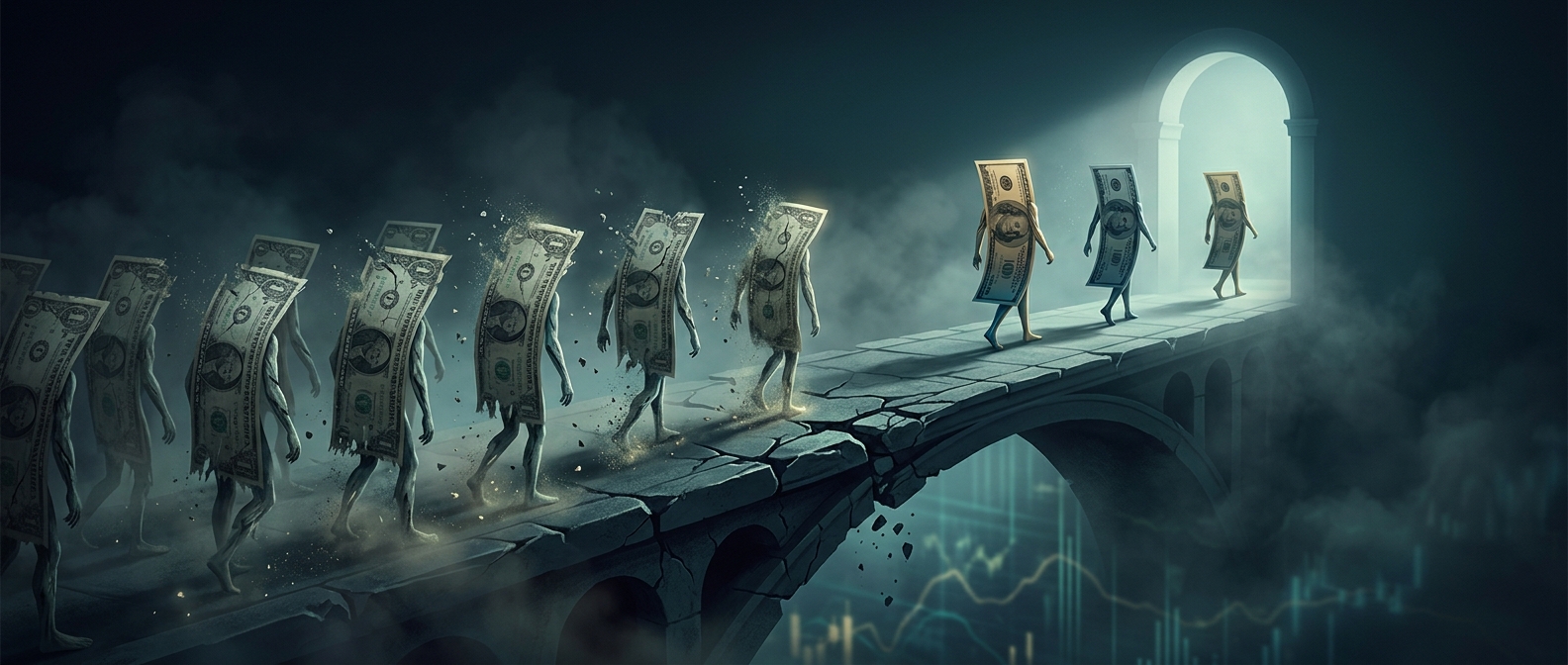
A dollar bill does not become waste the moment it leaves a cash drawer. Banks return worn notes to the Federal Reserve, which checks whether they are fit to circulate again. Notes judged too damaged or worn are taken out of circulation and shredded. That turns recognizable currency into small scraps that can be handled as a bulk material rather than as money.
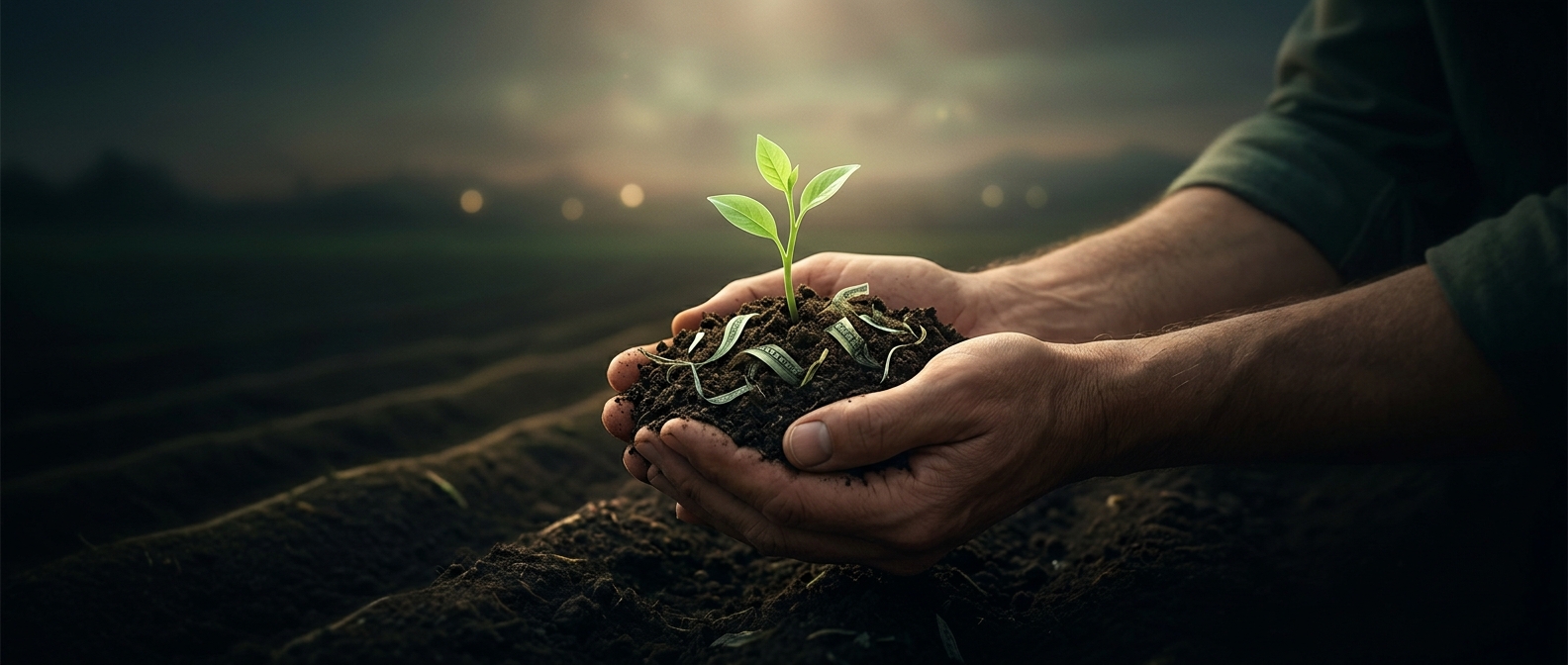
Some of those scraps are sold for composting. The point is not that old bills are a potent fertilizer: shredded currency is mostly fibrous material, so its role is as one ingredient in a larger compost mix. Mixed with other organic matter, it can break down as the compost matures and ultimately be incorporated into soil.
A small second life for an unwanted material
The arrangement gives the Fed an alternative to simply discarding shredded notes and gives compost operations another material to process. It also shows why the fate of obsolete cash is partly a logistics question: once a bill is shredded, it has no practical value as currency, but its fibers can still be useful in another system.
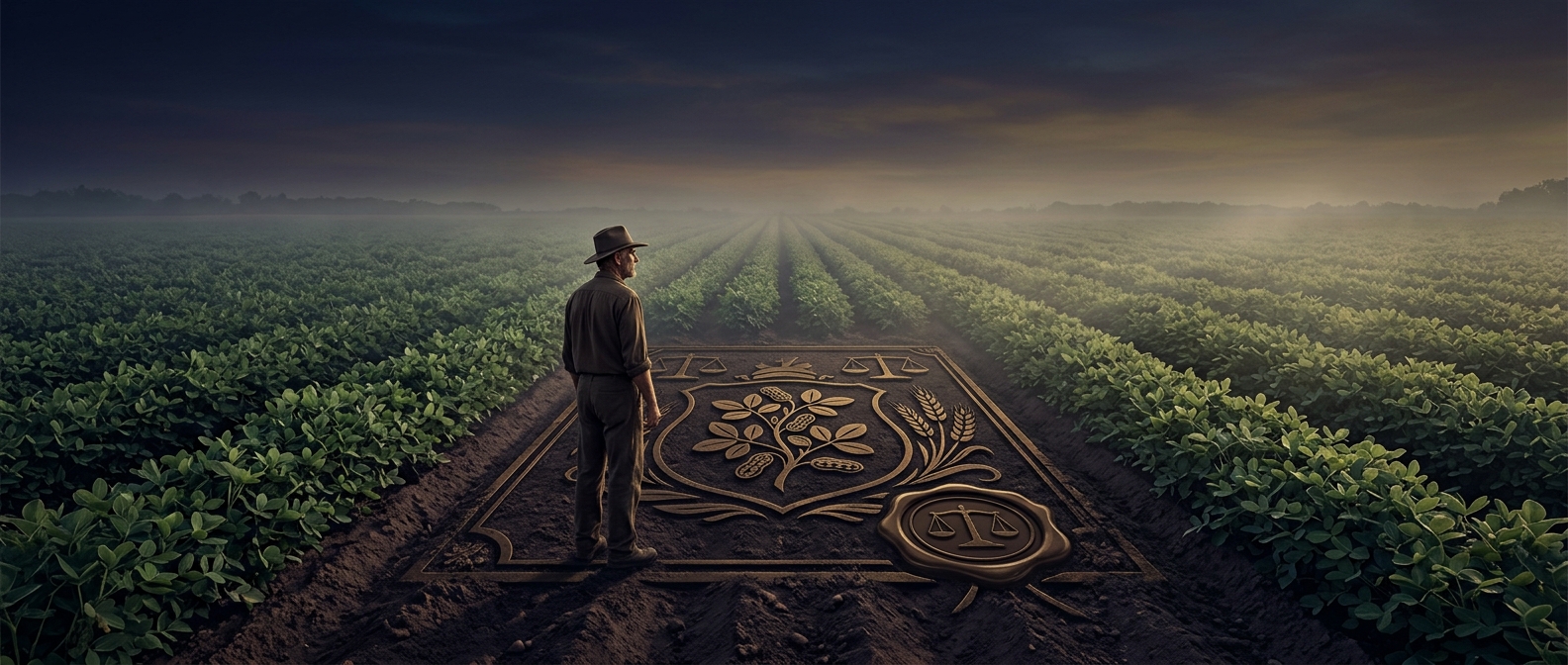
The scraps do not go directly from a shredder into a field. They pass through a composting process, and only some shredded currency follows this route. Still, the next time produce grows in compost-enriched soil, a portion of that mix may have started as money that was too worn to spend.