Turning a Game Screen Into Directions
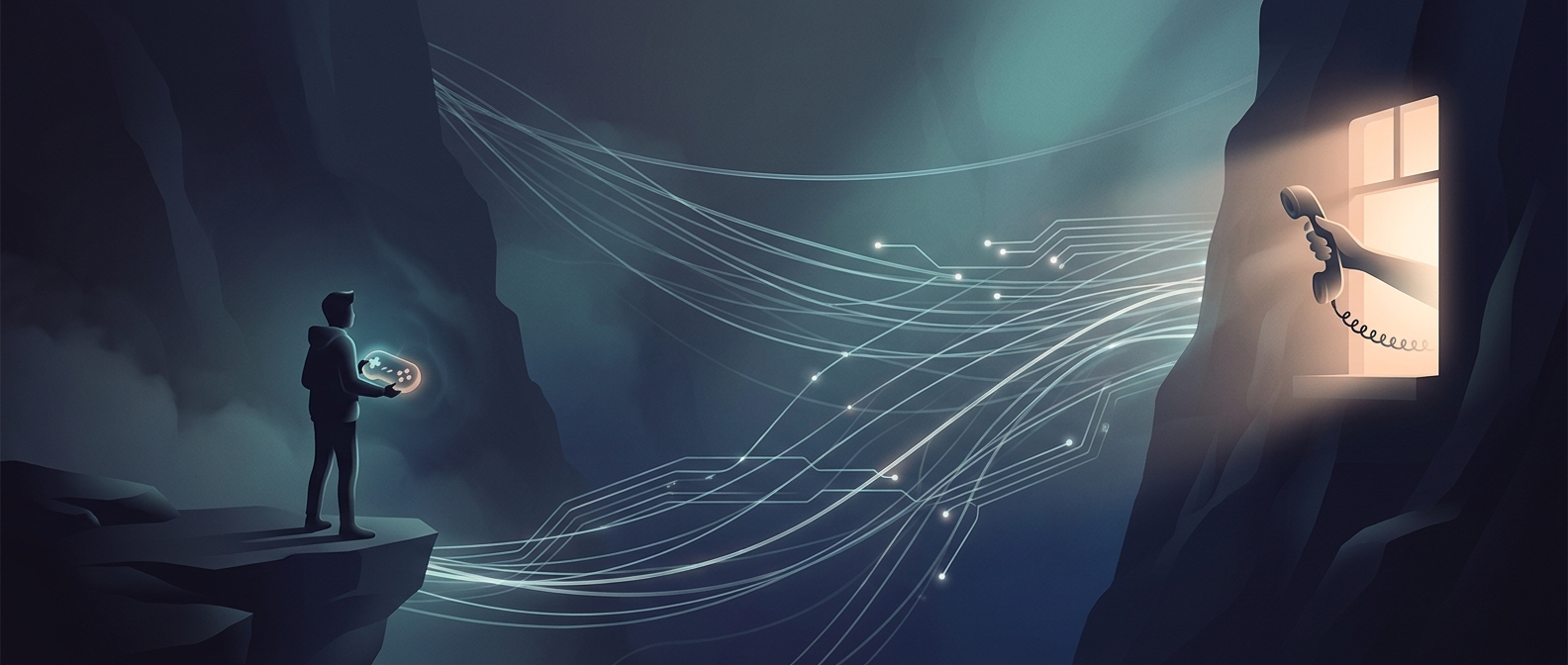
A player stuck in a game could describe what was on the screen; a Game Counselor had to turn that description into a next move. The binders helped make that exchange practical. Instead of relying on memory, counselors could consult maps and trace a route through rooms, doors, and obstacles while asking the caller to identify where they were.
That mattered because a game map is only useful when it matches the player’s current situation. A locked door, a missed key, or a different level setting can send someone down the wrong path. The counselor’s job was not simply to name a destination, but to connect the caller’s clues to the right point in the game and explain what to try next.
Why the Water Temple Was a Tough Call
The Water Temple in The Legend of Zelda: Ocarina of Time makes that problem especially clear. Its route depends on changing the water level, which opens some paths while closing or shifting access to others. A caller might know the room they were in but still be unsure which level setting, door, or key they had missed.
A map could help the counselor follow those dependencies and give advice in sequence: identify the room, check the state of the temple, then point toward the next useful route. The binder turned a sprawling visual puzzle into a shared reference that two people could navigate together—one holding the controller, the other holding the map.