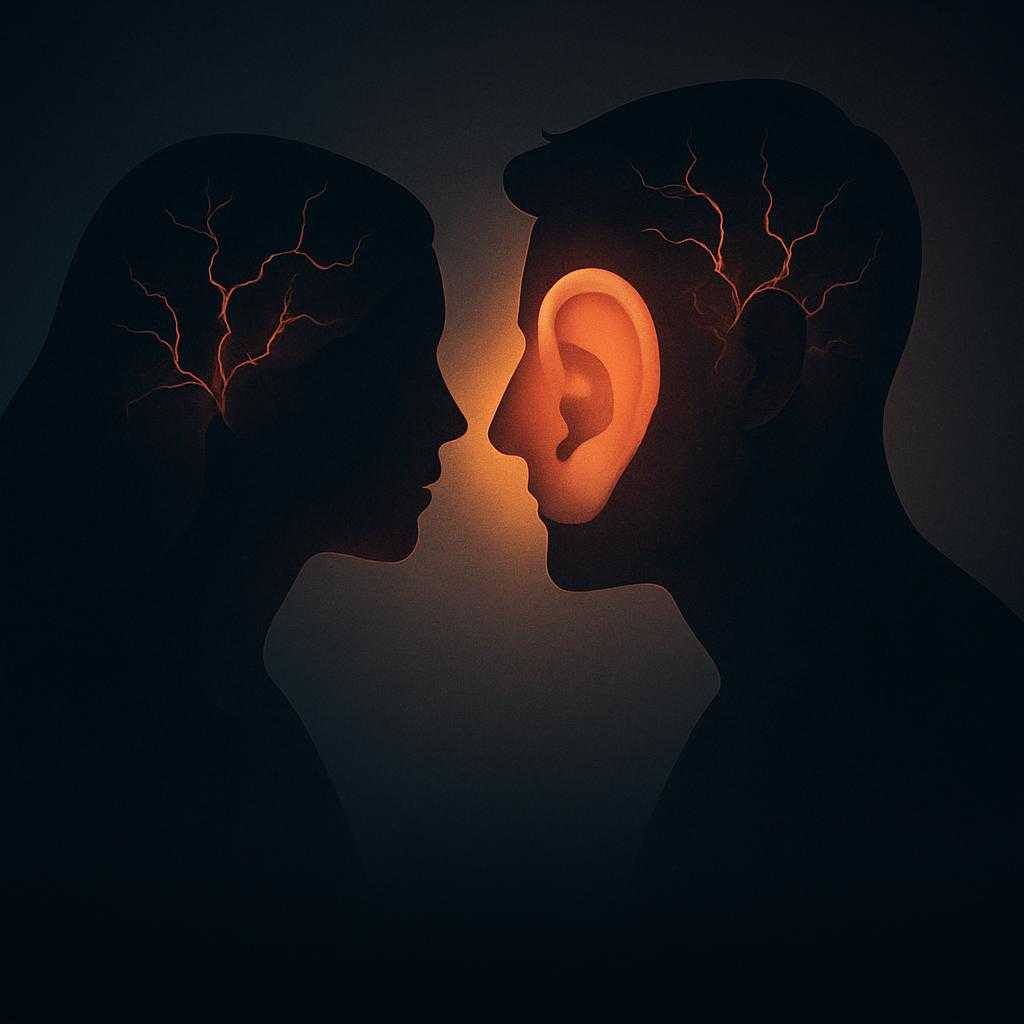
How dehumanizing language changes the moral frame
Calling people “cockroaches” does not literally switch off an empathy center in the brain. The more consequential change is social and psychological: repeated slurs can make a group seem threatening, inferior, or outside the circle of people whose suffering deserves concern. That shift is called dehumanization. It can make violence easier to justify, but it does not erase conscience or make violence automatic.
Radio made persecution sound ordinary
During the 1994 genocide in Rwanda, the radio station RTLM broadcast anti-Tutsi propaganda alongside music, jokes, and everyday commentary. That mixture mattered. Rather than sounding like a single formal order, hostility could become part of routine conversation. The broadcasts also spread fear, identified people as enemies, and encouraged participation in violence. Radio was one tool in a wider campaign, not a lone cause: political organization, coercion, local power, and choices by individuals all mattered.
Why the mechanism is more than a word
Dehumanizing labels work most dangerously when they are repeated by trusted voices and reinforced by a surrounding system. They can recast an attack as defense, portray victims as a collective threat, and signal that harming them will be tolerated—or expected. In that setting, a person may face pressure from authorities and peers while hearing the target group described as less worthy of protection.
This helps explain how ordinary social relationships can coexist with participation in atrocities. It does not mean neighbors simply stopped recognizing one another as human, or that language alone compelled them to kill. Propaganda can weaken restraints by changing what a community treats as acceptable; it cannot remove individual agency. The chilling implication is that mass violence can be prepared not only through commands, but through repeated talk that makes cruelty sound normal.