Why Fashion’s Front Row Stays Still
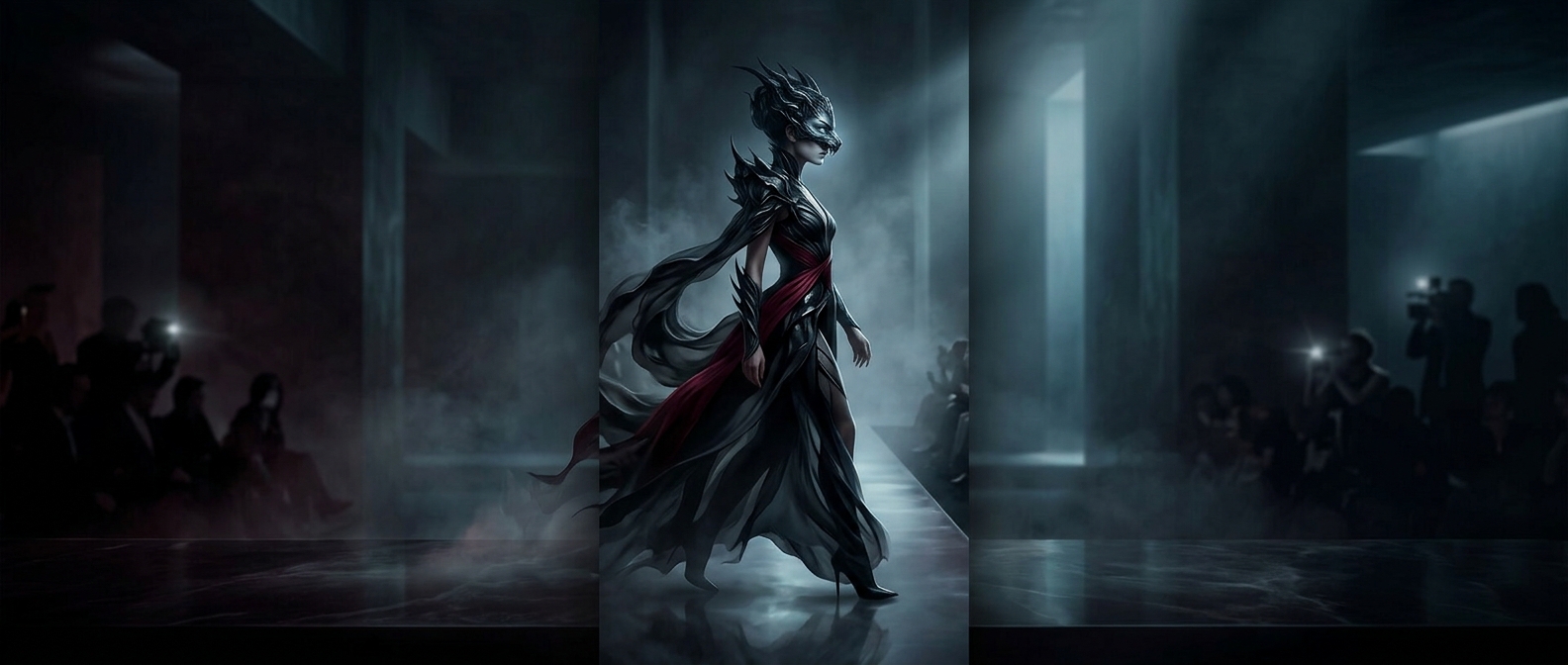
At a runway show, the clothes are the performance—and the front row is part of the picture. Photographers often aim down the catwalk toward editors, celebrities, and other invited guests, so their faces and reactions become visible in runway images. A guest who stands out by cheering or waving can pull attention away from the look being photographed.
Attention Is the Scarce Resource
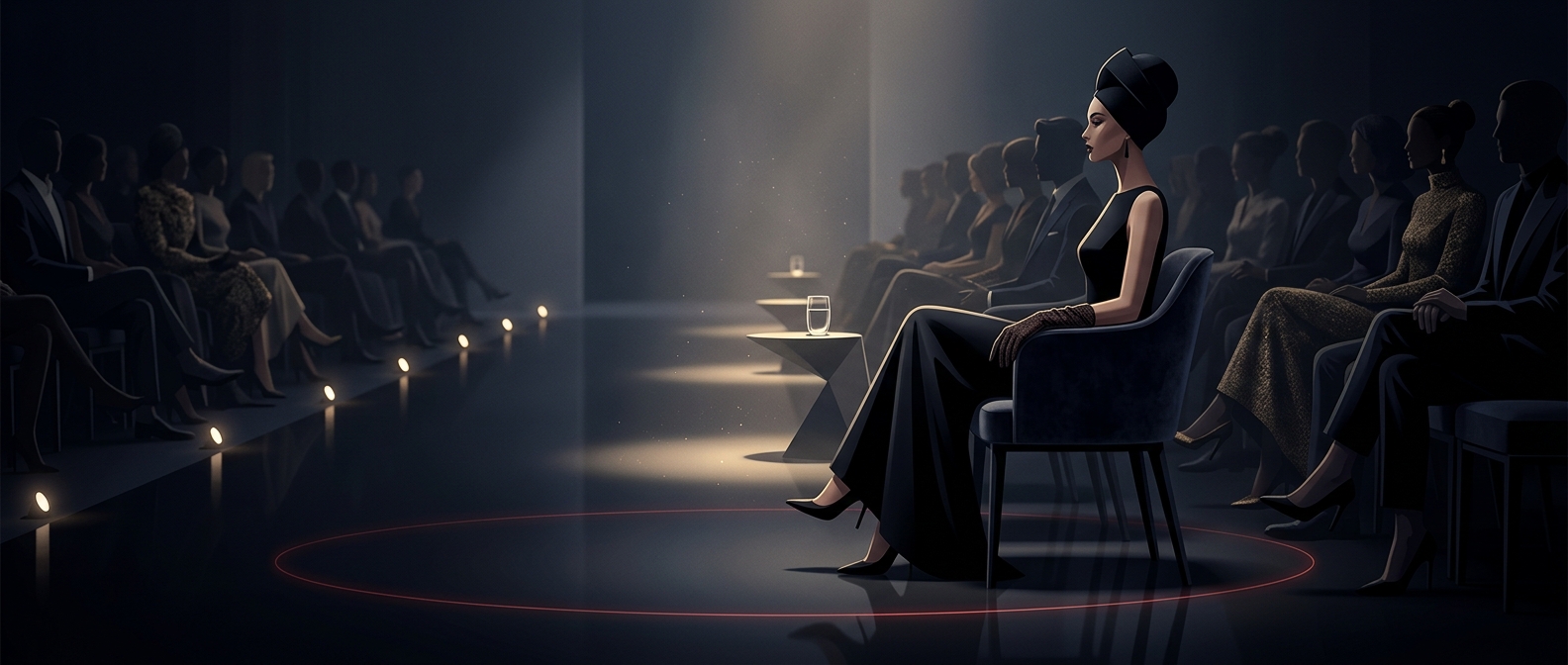
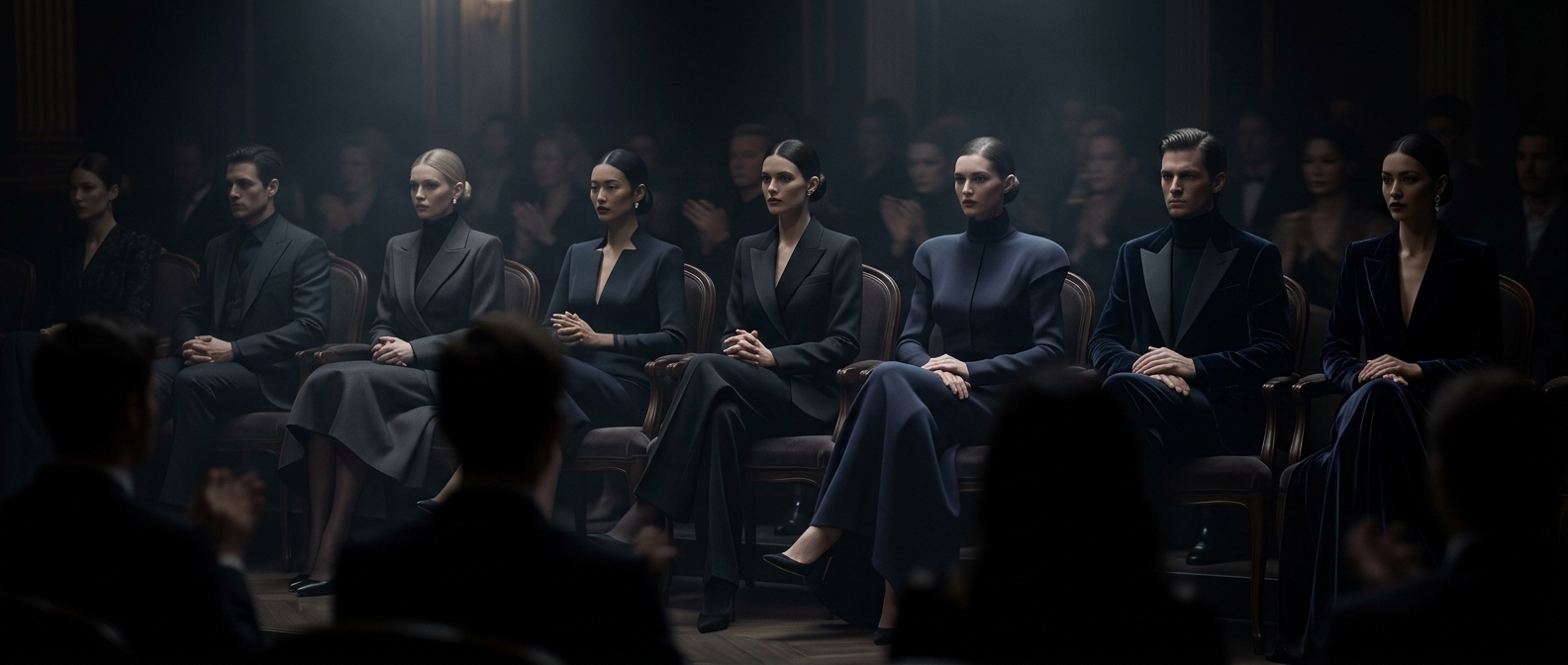
Fashion shows are designed to make garments legible in a brief pass: the model’s walk, the lighting, the music, and the camera angles all direct attention toward the clothes. Stillness helps keep that visual hierarchy intact. Dark glasses add to the composed look, while also making a guest’s expression harder to read. Together, these choices can make the audience seem almost as carefully styled as the collection.
The restraint also fits the front row’s social role. It is not simply a group of fans watching a performance; it is a highly visible gathering of people whose presence signals that the show matters. Sitting close to the runway offers status and a clear view, but it also puts guests on display. Their job, in effect, is to be seen without competing with what is passing in front of them.
A Reaction Saved for Later
That does not mean the clothes leave viewers unmoved. Fashion’s response often happens after the walk—in conversations, reviews, photographs, and the decisions buyers make about what to order. In the moment, however, a quiet audience gives cameras a cleaner image of both the collection and the people assembled to witness it. The front row’s silence is less an absence of attention than another part of the show’s staging.