Why Fred Rogers turned to copyright law
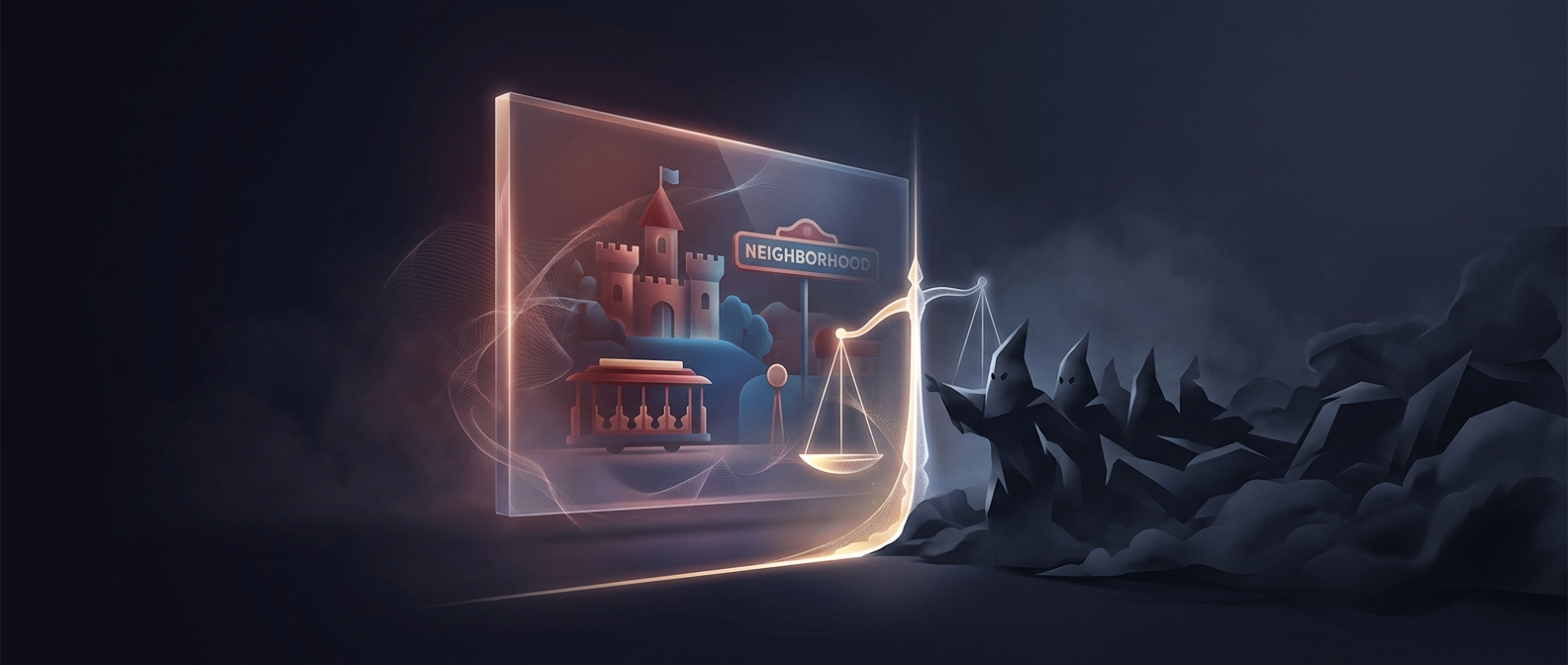
A racist parody can borrow more than a show’s general idea. It can imitate recognizable characters, settings, music, or visual elements—the details that make viewers identify the original. When a KKK-affiliated group used that kind of material to parody Mister Rogers’ Neighborhood, Rogers used copyright law to challenge its use of the show.
Copyright protects particular creative expression, not broad concepts such as a friendly host speaking to children. That distinction gave Rogers a way to contest the group’s use of recognizable elements of his program rather than argue only that its message was hateful.
A dispute over who controls a show’s image
Parody can raise difficult copyright questions because it often depends on borrowing from the work it mocks. But calling something a parody does not, by itself, settle whether its use of copyrighted material is lawful. The dispute put the show’s creative identity—and who could use it—at the center of the conflict.
The legal action helped stop the group from spreading the parody. The episode shows how copyright can matter beyond protecting a creator’s income: it can also give a creator a way to challenge the unauthorized use of a work’s familiar imagery. In this case, the recognizable world Rogers had built for children became the very material his legal challenge sought to keep out of the group’s hands.