Why Soup Belongs to Water
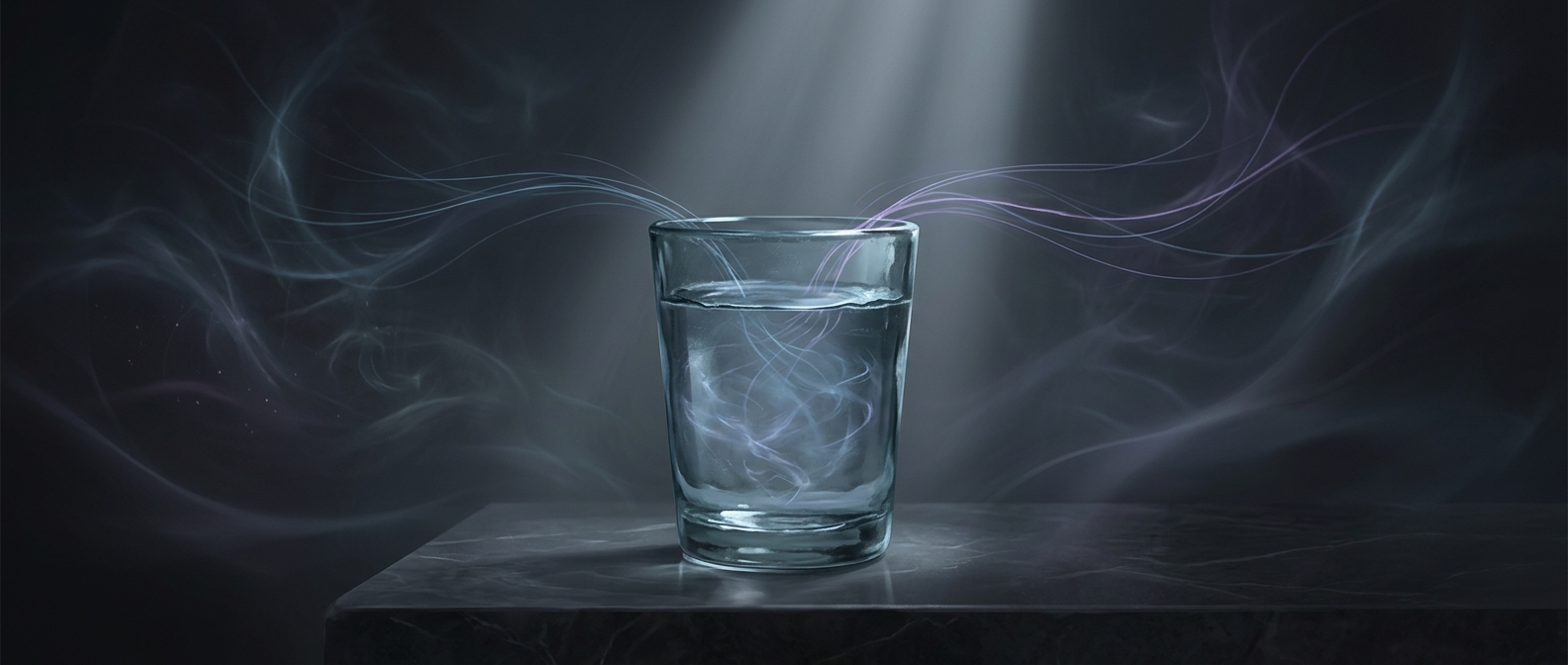
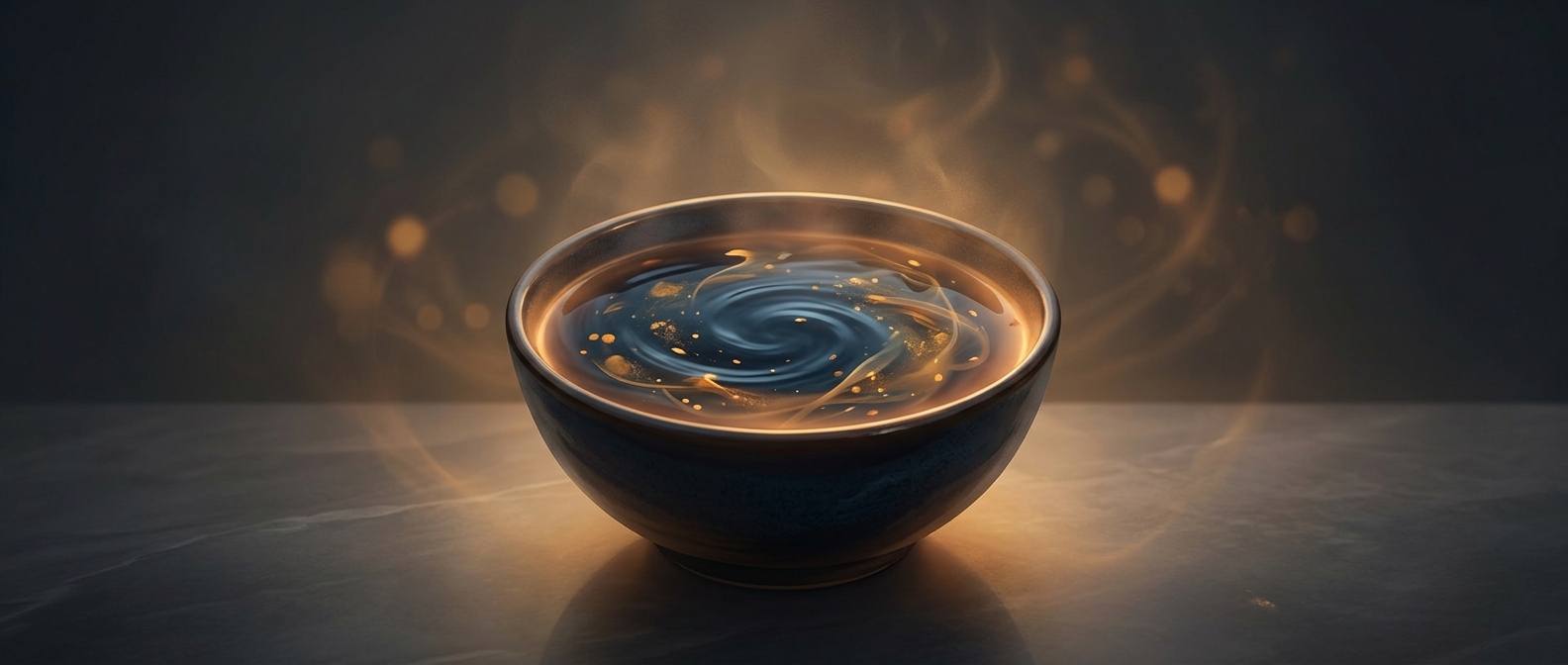
In this elemental framework, a food’s category follows its form more than its ingredients. Vegetables, noodles, or beans may fill the bowl, but the liquid binds them into something you can sip or swallow by the spoonful. The classification treats that shared, flowing form as decisive: soup is Water, even when it contains plenty of solid food.
That rule turns an ordinary meal into a small exercise in elemental logic. The question is not what went into the pot, but what the finished dish asks you to do. If it can be taken in without making chewing the main event, it stays on the liquid side of the line.
The Joke About Chewing
The claim that soup avoids emotional disruption gives the classification its playful edge. Chewing is cast as an interruption—something that demands effort and breaks the smoothness of eating—while soup offers a gentler, more continuous experience. The joke is not a claim about the body; it imagines a meal organized around avoiding that little interruption.
So the bowl’s warmth and its ingredients matter less than its texture and pace. A chunky soup can still qualify, because the framework sees the broth as the dish’s defining condition. Its punchline is simple: put dinner in liquid form, and even a meal full of vegetables becomes an unusually calm encounter with Water.