Why a Loaded Musket May Never Have Fired
A Civil War soldier’s muzzle-loading musket demanded several deliberate steps before it could shoot: pour powder down the barrel, push a bullet into place with a ramrod, then fit a percussion cap that would ignite the charge when the trigger was pulled. Under fire, a soldier might complete the loading routine but never reach—or never manage—the final act of firing.
Reports of weapons found with several loads stacked in the barrel offer a grim clue to what combat stress could do. A soldier who lost track of whether he had already loaded might repeat the familiar sequence, driving another charge into the weapon. The hands kept working even as attention and judgment faltered. Preparing to shoot and actually firing were separate steps, and fear could interrupt the sequence between them.
What the Evidence Can—and Cannot—Show
A barrel containing multiple loads is evidence that the weapon was loaded repeatedly without being fired in between. It cannot, by itself, reveal why. A soldier may have frozen, become confused, been interrupted, or simply run out of time before the battle moved on. Nor can surviving weapons establish how often soldiers deliberately withheld fire across all battles.
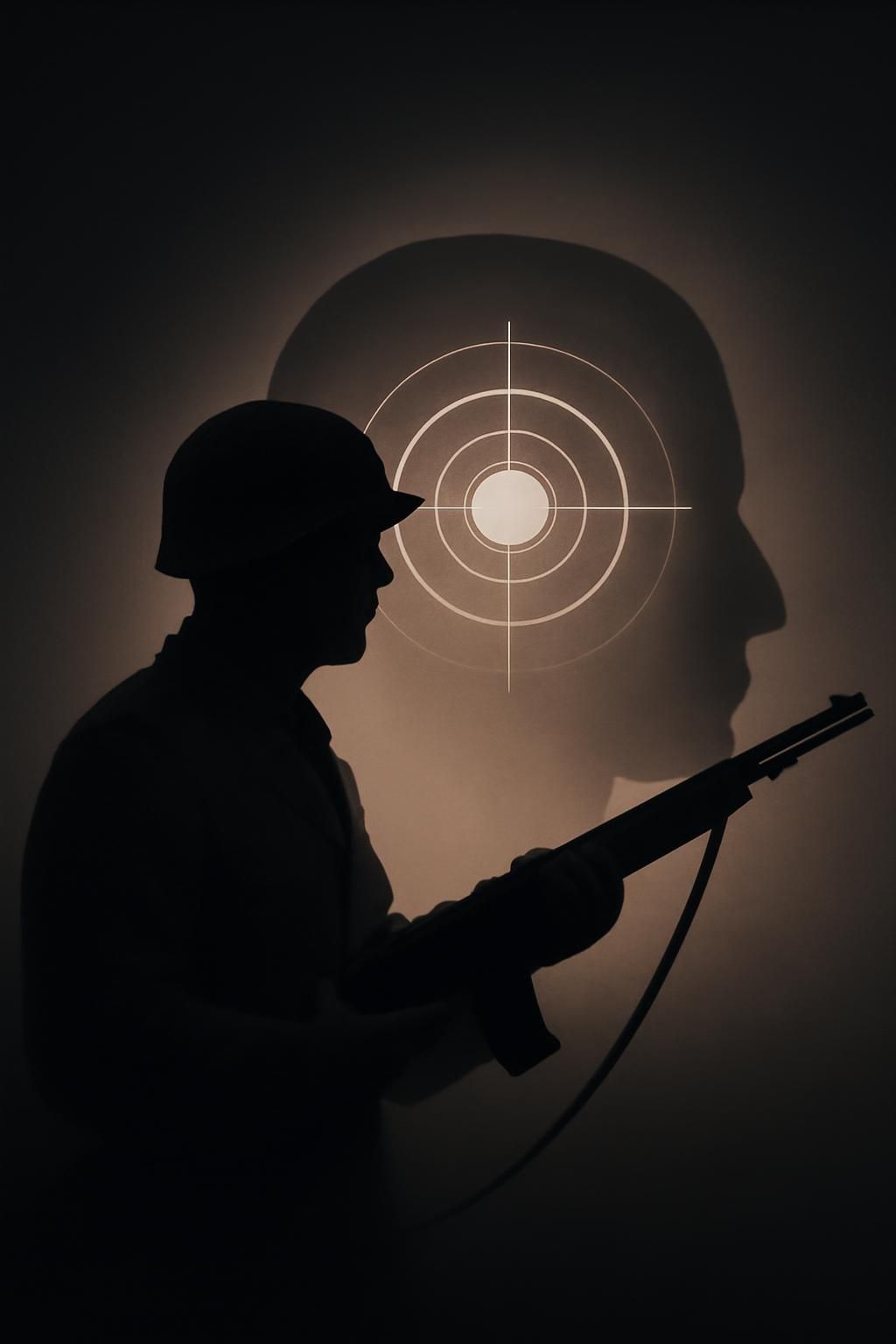
That distinction matters: the evidence does not let us read a dead soldier’s thoughts. But it does make visible a gap between a weapon’s mechanical readiness and a person’s ability or willingness to use it. In a battle, the final pull of a trigger was not an automatic consequence of loading—it was a separate human act, made under extreme pressure.