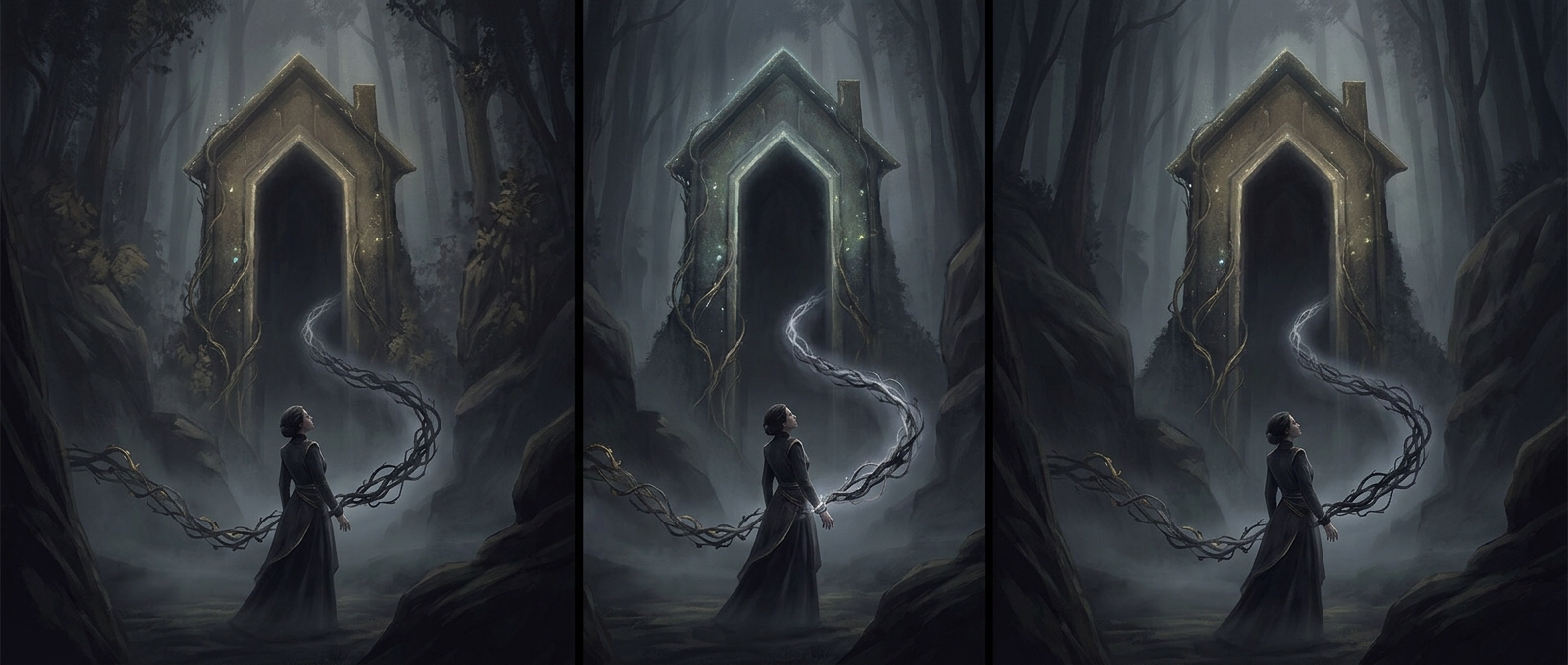
Why a Mortgage Was Called a “Death Pledge”
The name comes through Old French mort gage: mort meant “dead,” and gage meant “pledge” or “security.” It did not mean that borrowing to buy a house was expected to end in a person’s death. The “death” referred to the pledge itself: it would cease to exist once the debt was settled—or if the borrower failed to pay and the lender enforced its claim on the property.
The House Secures the Debt
A mortgage makes a home more than the place someone lives; it also serves as collateral, property that backs a loan. The borrower receives money to buy the home and promises to repay it, usually over many years. The lender, in turn, has a legal claim connected to the property. If payments stop and the borrower cannot resolve the default, foreclosure can allow the lender to take and sell the home to recover what is owed.
That arrangement is what makes the old name apt. The pledge has two possible endings: repayment releases the lender’s claim, while foreclosure can transfer the property out of the borrower’s hands. In either case, the original pledge is finished.
A Name for the Loan’s Two Endings
For a borrower who pays as agreed, the “death” is simply the end of the mortgage: the debt is paid and the home is no longer pledged as security. The word captures the legal structure, not a prediction about the borrower’s fate. It also hints at the central tradeoff of home lending: a lender makes a large purchase possible by accepting years of repayment risk, while the borrower puts the home itself on the line.