The economics of a room that barely changes
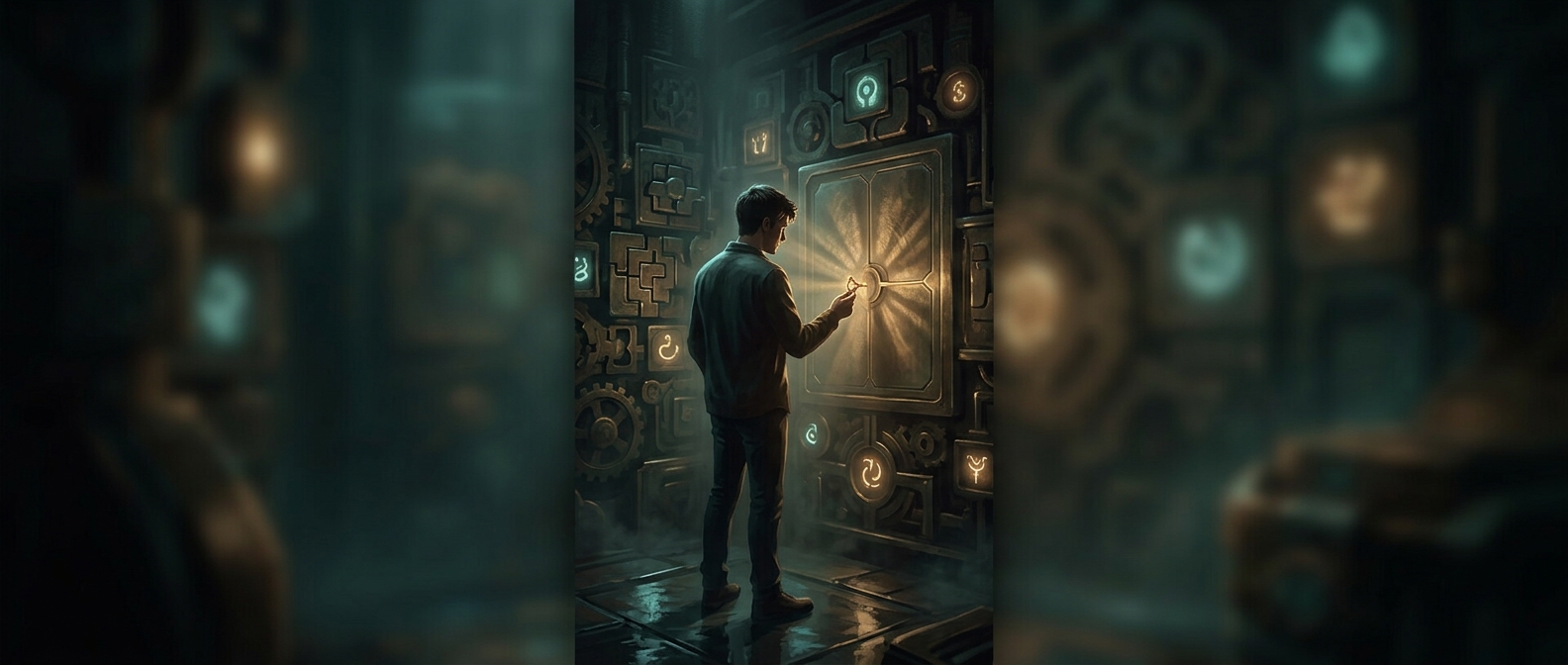
An escape room turns a small physical space into a timed appointment. Once its puzzles and furnishings are in place, the room can host one group after another without the operator having to replace a full set for every customer. That makes the cost of serving an additional group relatively modest: staff reset clues, check equipment, and prepare the room for the next booking.
This is a different cost structure from an attraction that must continually buy materials or serve each visitor individually. The room’s basic props can be inexpensive, while the experience comes from the sequence of puzzles, the group’s collaboration, and the pressure of a ticking clock. The product is chiefly a designed hour, not a pile of costly objects.
The real constraint is the calendar
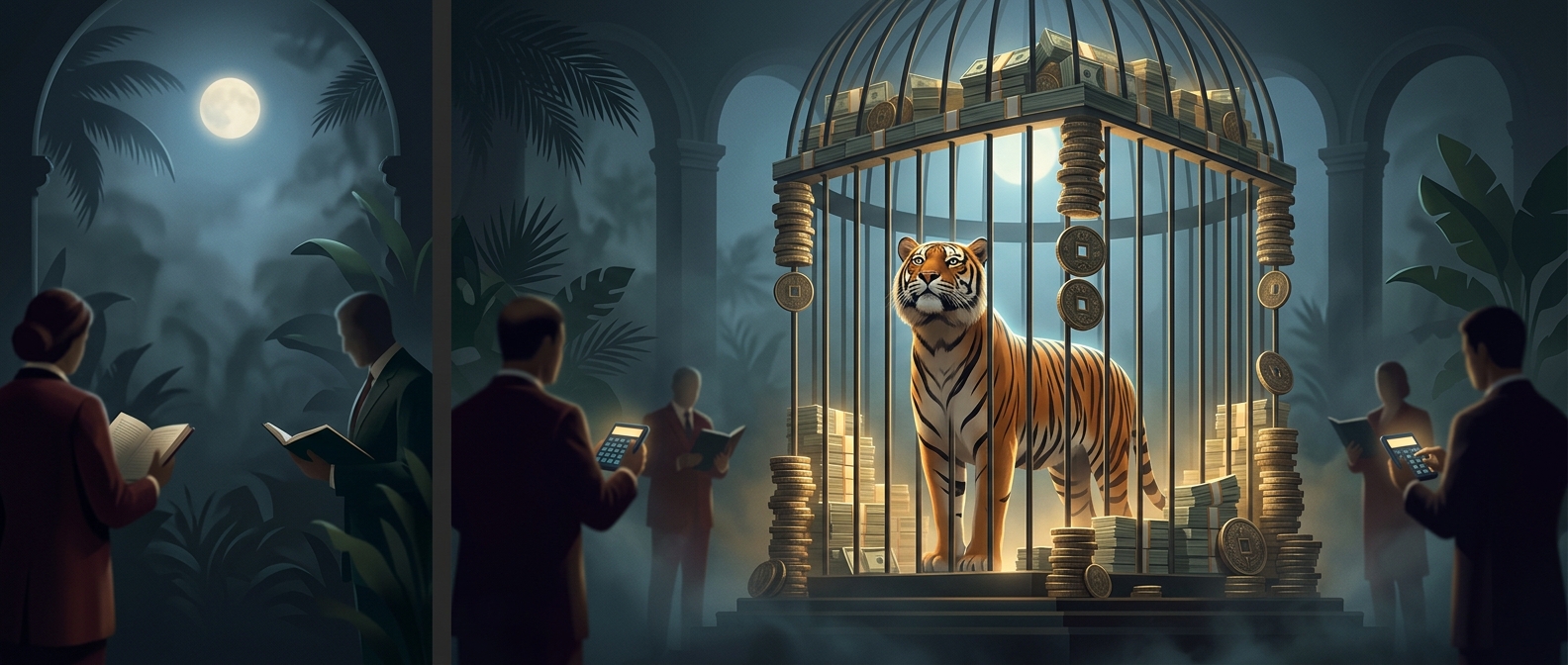
Low-cost props do not make the business cost-free. Rent, utilities, insurance, maintenance, booking systems, and staff continue to cost money even when no group is playing. A room also has limited capacity: it can host only so many sessions in a day, and each session occupies the space while staff explain the rules and reset the puzzles.
That creates a straightforward tradeoff. More bookings spread fixed expenses across more customers, but the operator cannot simply sell unlimited sessions. Popular times may fill while quieter hours remain empty, and a broken lock or a puzzle that fails can interrupt the schedule.
Why a simple set can still feel valuable
The design challenge is to make modest objects carry several layers of meaning. A padlock becomes interesting when players must discover its combination; a clue matters because it connects to something they noticed earlier. Careful sequencing and clear feedback can make a plain room feel like a coherent challenge without requiring an elaborate environment.
That is the business’s leverage: a relatively reusable setup can create a fresh social event for each group. The economics work best when the room stays reliable, bookings keep coming, and the experience feels more memorable than the furniture that contains it.