Why the Show Sells More Than Tickets
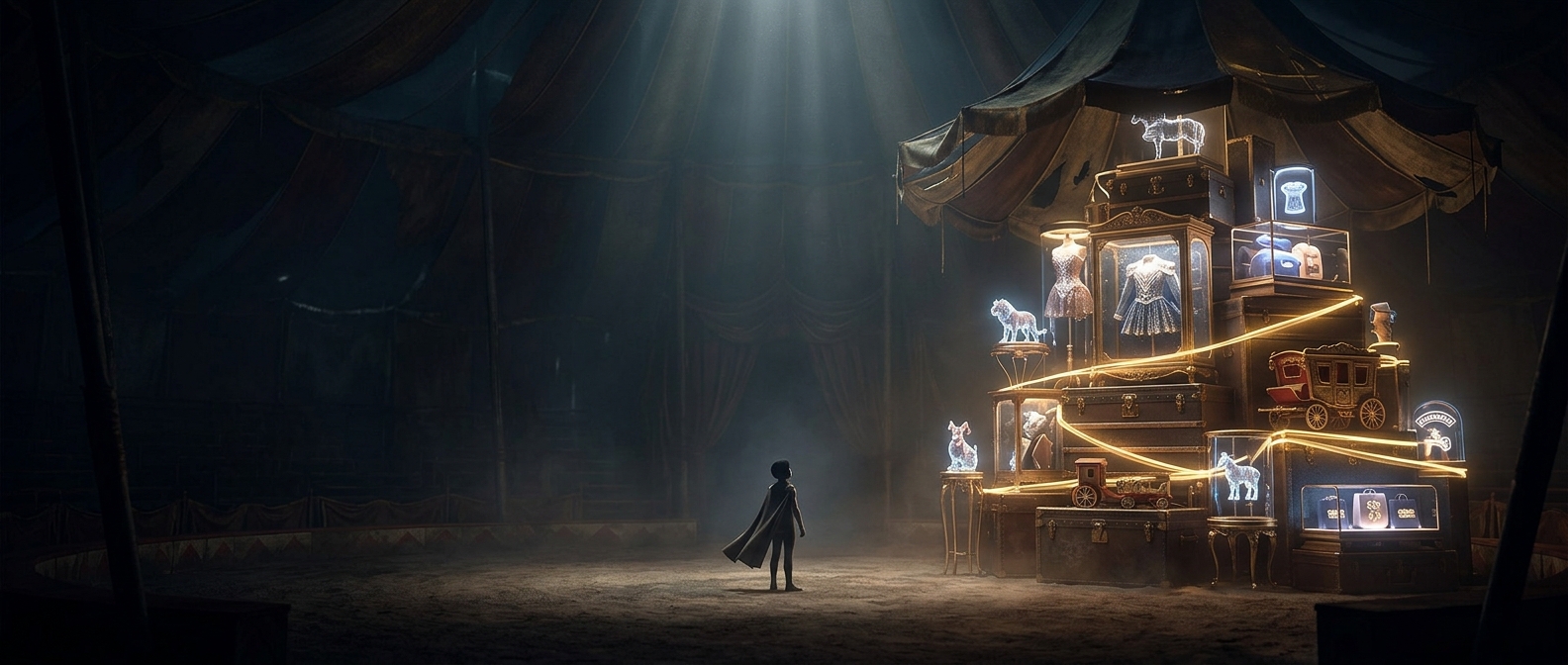
A traveling circus earns money in two different ways: by selling admission to the performance and by selling things people buy while they are there. The second stream matters because the show has costs even before the audience takes its seats. A troupe must transport performers, animals where applicable, staging, and other equipment from one stop to the next, then set up and take it all down again.
Small Purchases Can Help Carry Big Costs
Once families are inside, colorful souvenirs and treats are easy to notice and buy on impulse. A glowing toy gives a child something to take home; cotton candy turns the outing into a more complete event. Each purchase is small compared with the cost of moving a whole production, but sales across a crowd can add meaningful income beyond ticket receipts.
That extra revenue is especially useful because a traveling show cannot simply leave its largest expenses behind between performances. The equipment must travel whether the next venue is near or far, and attendance can vary from one stop to another. Merchandise and concessions give the circus another way to earn from each visit.
The Audience Helps Fund the Next Stop
The toys and snacks are not just decoration around the main event. They are part of the economics of keeping a mobile production on the road: the spectacle draws the crowd, and purchases made during the visit help pay for the work of bringing that spectacle to the next town.