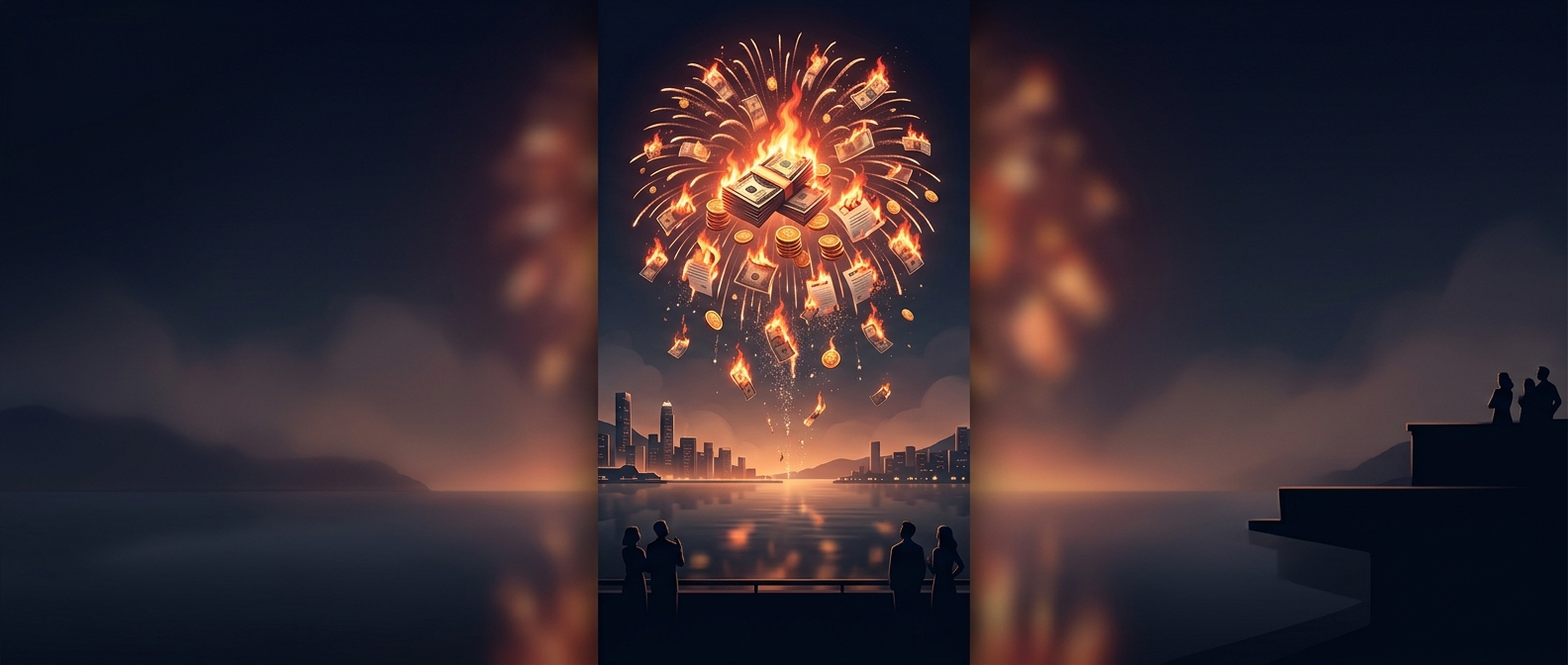
The show is more than its 12 minutes in the sky
A fireworks display is priced as a temporary production, not simply as a pile of shells. The visible burst is the last step in a job that can involve designing the sequence, transporting explosive materials, preparing a launch site, installing firing equipment, coordinating a trained crew, and clearing the area afterward. Much of that labor and equipment is needed whether the show lasts twelve minutes or somewhat longer.
The display’s location also shapes the bill. Crews may need room to separate spectators from launch points, protect nearby buildings and vegetation, and coordinate with local officials. A waterfront, crowded park, or tightly built downtown can make setup and safety planning more demanding than an open field. The city is paying for a controlled event, not just the spectacle.
Why few suppliers can raise the price
Fireworks work carries unusual risks: the materials are hazardous, and a mistake can injure people or damage property. Companies therefore need specialized staff, equipment, and insurance, while cities need confidence that a contractor can meet safety requirements and deliver reliably. Those costs are built into bids.
When only a small number of companies can credibly take on a local show, the city has fewer bids to compare and less leverage to push prices down. The limited pool does not mean every contractor can charge anything; budgets and competitive bidding still matter. But there may be few substitutes when a date, venue, and safety plan are fixed.
That is why the crowd’s clock is a poor measure of the expense: the fireworks disappear in minutes, while the expertise, preparation, and risk management have to be in place before the first shell is lit.