Why a Few Minutes in the Sky Cost So Much
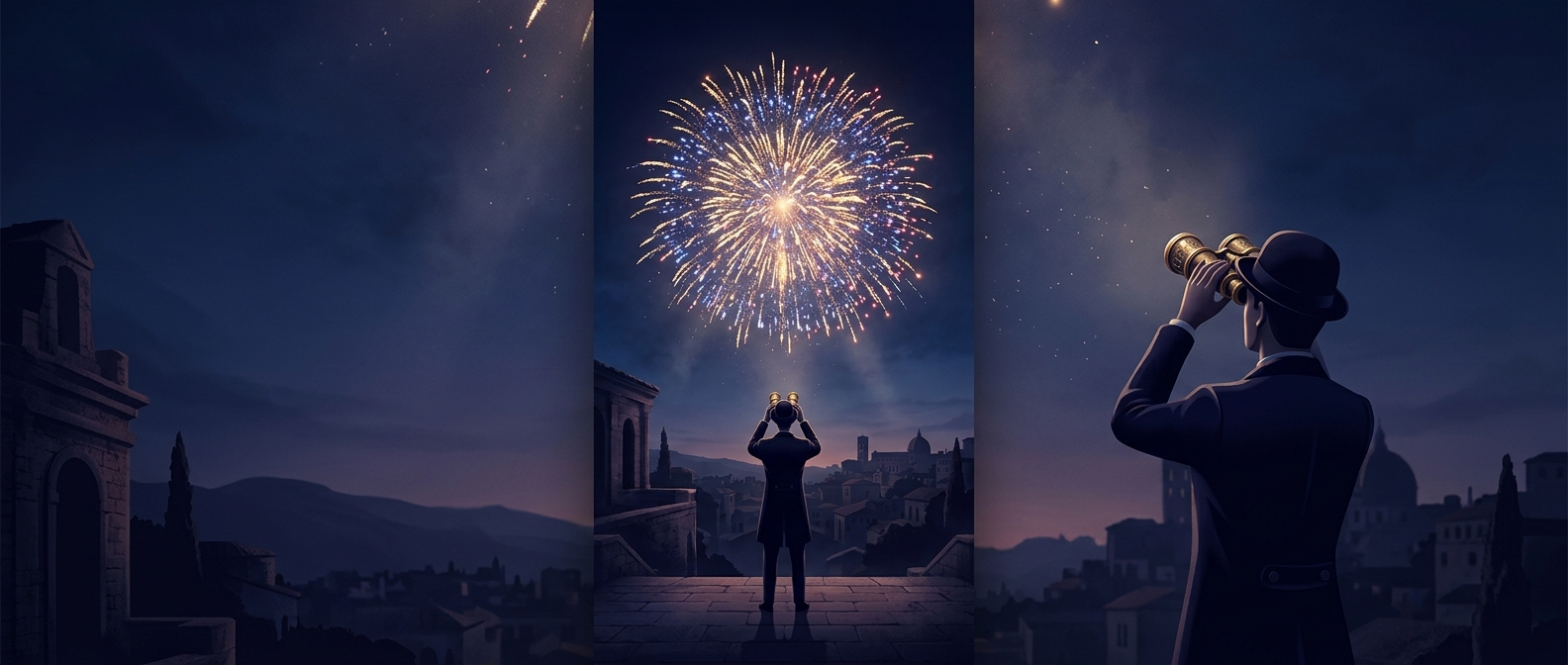
A professional fireworks display is not simply a pile of fireworks set off at once. It is a timed production: shells must be placed in a planned sequence, launched from designated positions, and coordinated with music or other effects. The audience sees the bursts; much of the spending goes into making those bursts happen at the intended moment, in the intended place, without putting people in danger.
The Work Behind Each Burst
Before the show, trained crews prepare the launch area and connect the fireworks to an electronic firing system. That system lets an operator trigger effects in a precise order, including overlapping bursts that would be difficult to time reliably by hand. The crew must also account for the fireworks’ different flight times and effects, so a shell launched now may be chosen to bloom later, at a particular beat in the sequence.
The materials require specialized handling, too. Fireworks contain energetic chemical compounds, and handling, storage, transport, and setup all call for expertise and controls. Safety staff help establish boundaries around the firing site, keep spectators away from hazards, and respond if conditions make the planned setup unsafe. These precautions are part of the production, not optional extras added after the budget is set.
A Short Show, a Long Chain of Costs
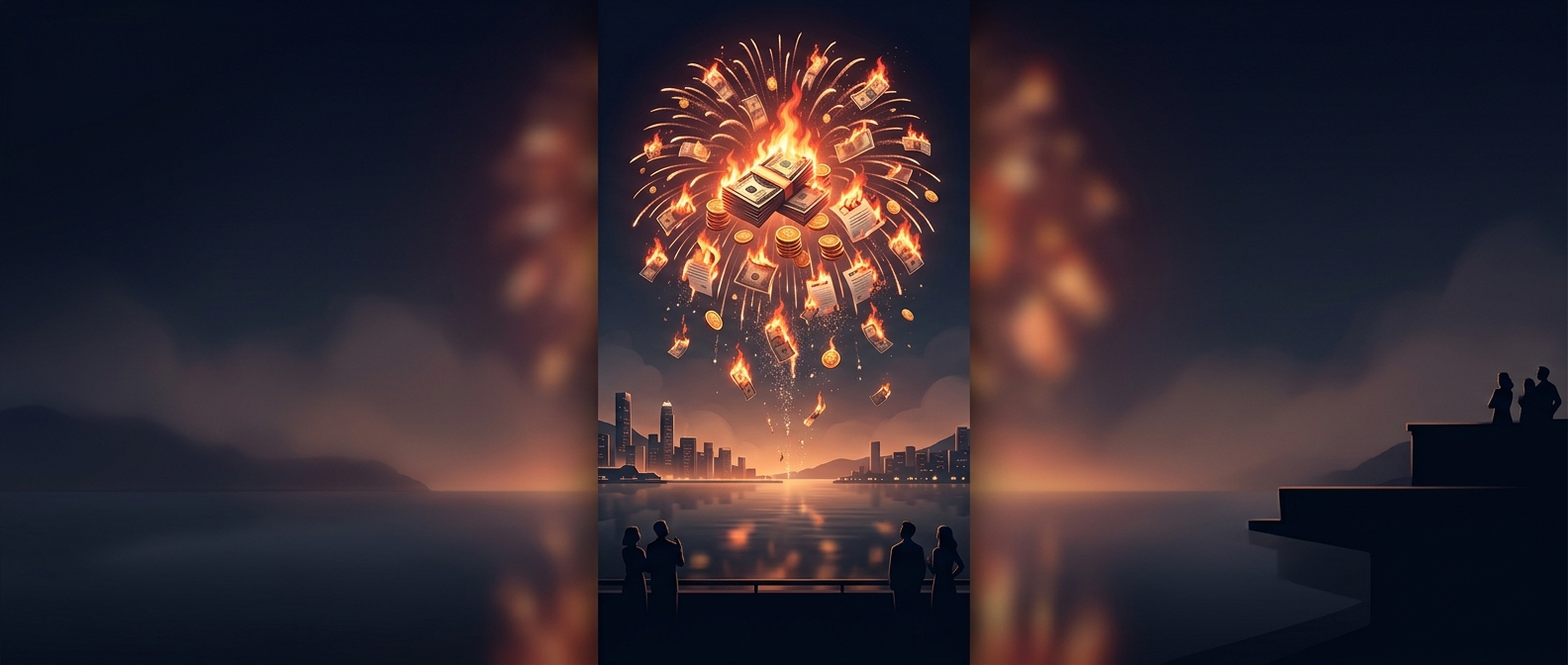
The economics are shaped by a basic mismatch: the display is brief, but the preparation and staffing are not. Many costs are committed before the first fuse is lit—planning, equipment, transport, labor, and securing a suitable site. Those expenses do not shrink in proportion to the number of minutes the audience watches.
That is why a large display’s price cannot be judged by counting the visible explosions. Each burst is the final step in a chain of specialized work. The lasting impression may be a few minutes of color, but the bill reflects the people and safeguards required to put that color over a crowd.