Why Jet Exhaust Turns Into a White Trail
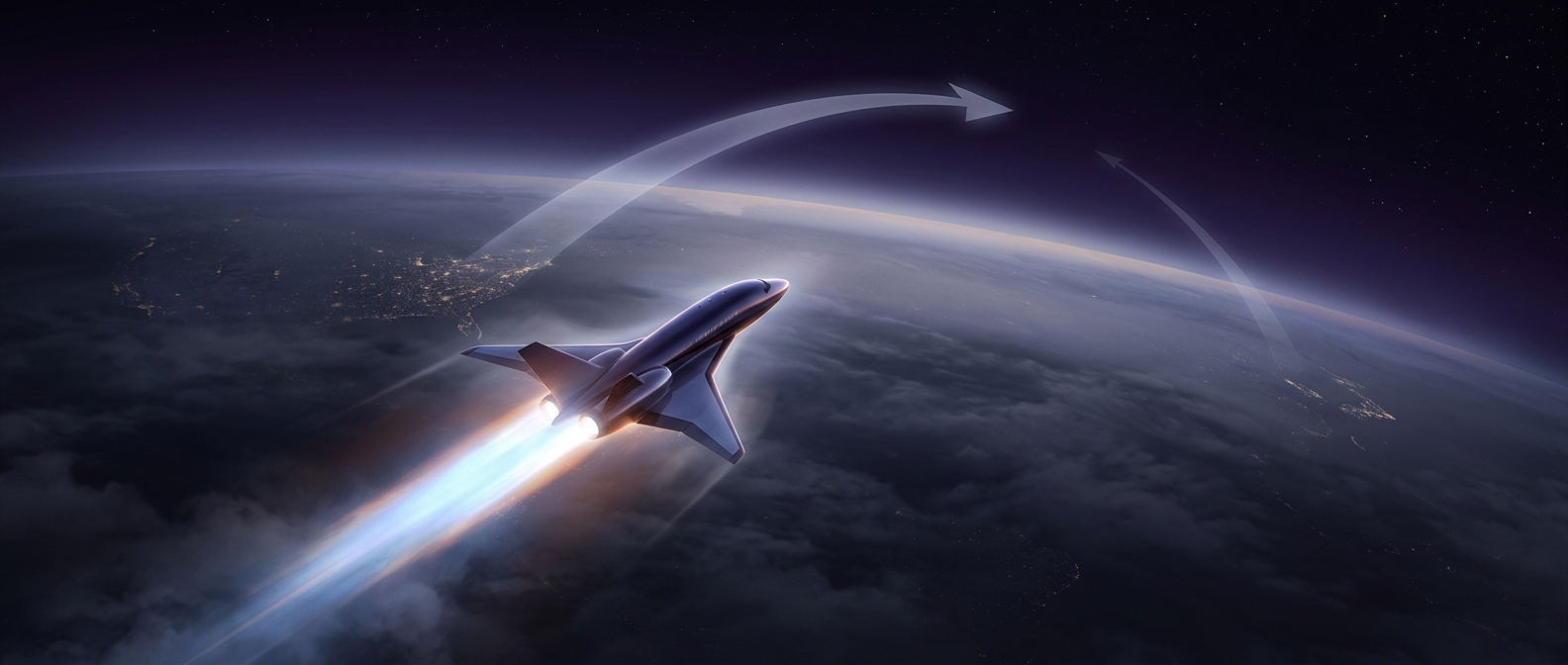
At cruising altitude, the air is cold enough that water vapor from a jet engine can freeze almost immediately. Burning fuel produces water vapor, and the engine’s hot exhaust also mixes with the surrounding air. That mixing briefly creates a pocket of air containing more moisture than it can hold at its new temperature. Water condenses onto tiny particles in the exhaust, then freezes into ice crystals.
The result is a contrail, short for “condensation trail”: essentially a narrow cloud made mostly of ice. It looks white because the crystals scatter sunlight in many directions, much as droplets do in an ordinary cloud.
Why Some Trails Vanish and Others Spread
A contrail’s lifespan depends less on the jet than on the air it flies through. In dry air, the ice crystals quickly lose moisture to the surrounding air and disappear—sometimes within seconds or minutes. In air that is already humid with respect to ice, the crystals can persist and grow. Winds then stretch and spread the trail until it becomes a thin, wispy cloud, sometimes blending into other high clouds.
That difference explains why one aircraft may leave a long mark while another nearby leaves none: their routes can pass through air layers with different humidity, even at similar heights. The streak is not a solid plume hanging in place, either. It is a cloud of tiny crystals that drifts and changes as the air moves.
Persistent contrails can add cloud cover and affect how much heat Earth absorbs or sends back to space. Their effect depends on conditions and time of day, but the basic transformation is simple: a jet’s exhaust reveals an invisible layer of moist, cold air by turning its water vapor into ice.