The people not strapped in are most exposed
In severe clear-air turbulence, the sharpest danger is to anyone caught standing or moving when the aircraft jolts. A sudden change in the plane’s motion can lift people off their feet and slam them into the floor, seats, or ceiling. Flight attendants working in the aisle are especially vulnerable because they may be pushing a cart or helping passengers when the turbulence hits.
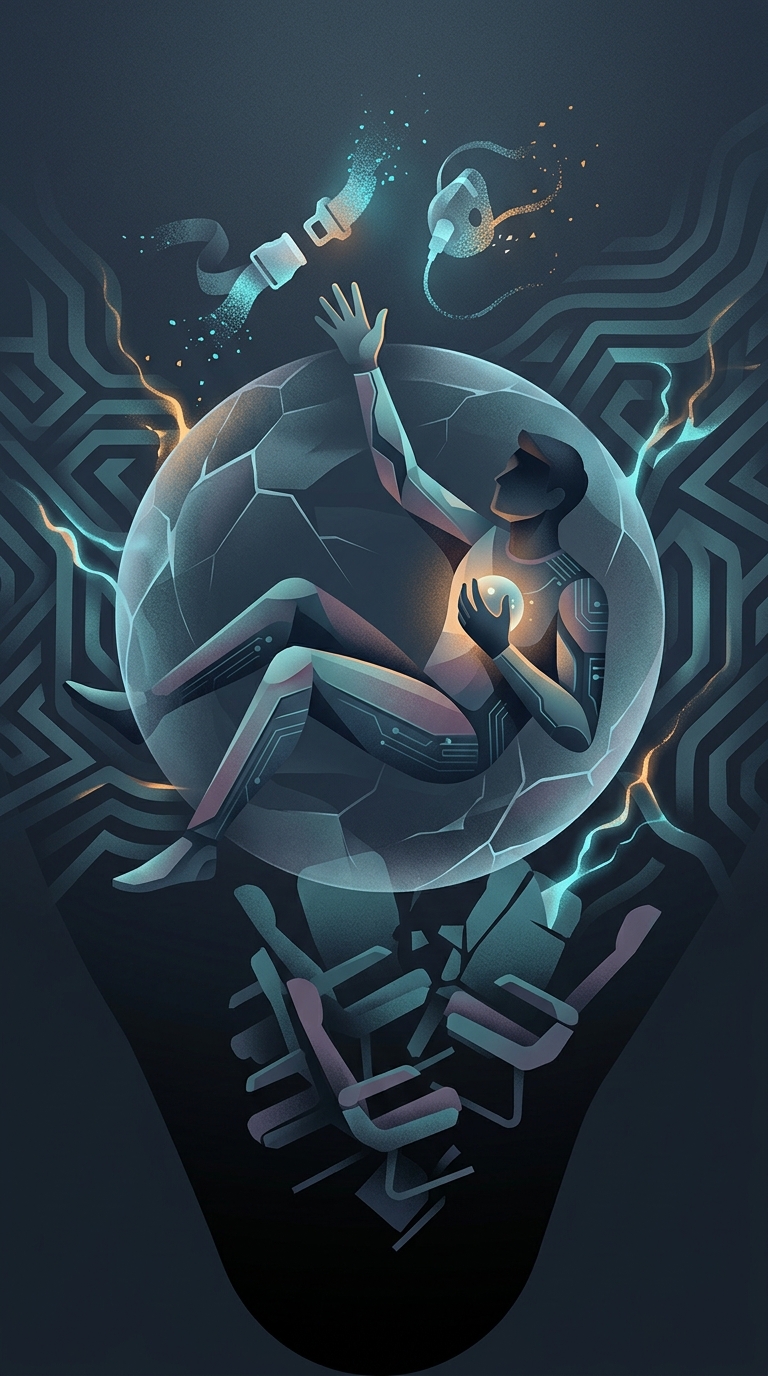
Passengers without seat belts fastened face the same basic risk. Even someone seated can be thrown upward if the belt is loose or undone; a snug belt helps keep the body with the seat as the aircraft moves.
Why the cabin can turn hazardous so quickly
Clear-air turbulence forms without the visible storm clouds that might prompt passengers to expect rough air. The aircraft can cross a turbulent patch before the crew has time to warn everyone. People may be injured by the jolt itself, by striking cabin surfaces, or by objects that become airborne.
The greatest risk is therefore not determined simply by where someone sits. It depends heavily on whether that person is secured when the aircraft encounters turbulence. Keeping a seat belt fastened whenever seated can reduce the chance of being thrown around—even when the ride seems smooth.