The danger is the street network, not the dead end itself
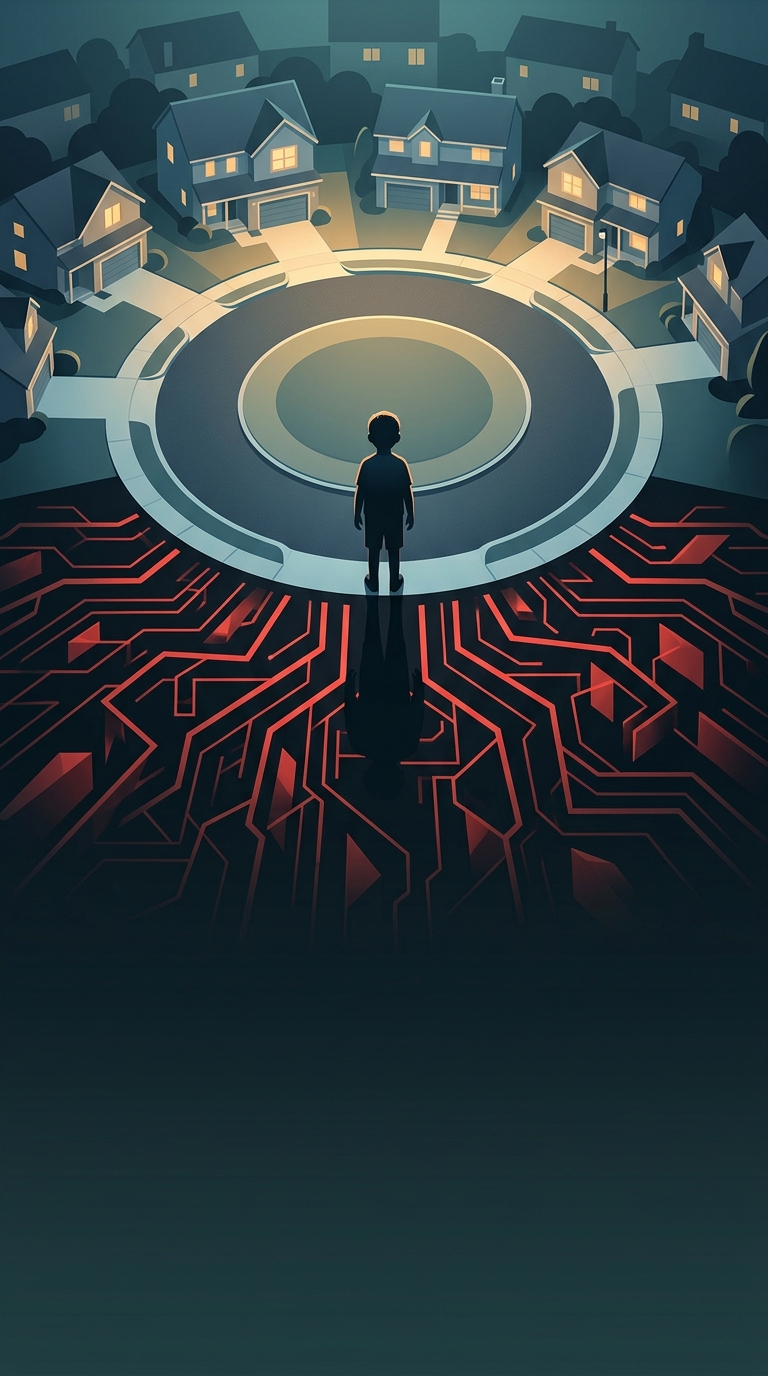
A cul-de-sac can feel calm because it carries little through-traffic: drivers enter to reach homes and usually leave the same way. That can reduce passing cars on the block. The larger concern is what happens when many dead-end streets are linked by only a few connecting roads.
In a connected street grid, a person walking or biking can often reach a nearby destination by several routes. In a cul-de-sac-heavy subdivision, fences, yards, and dead ends interrupt those paths. A trip that looks short on a map may require a long walk back to a collector road—the busier street that gathers traffic from local streets—or a drive instead.
Few exits concentrate traffic
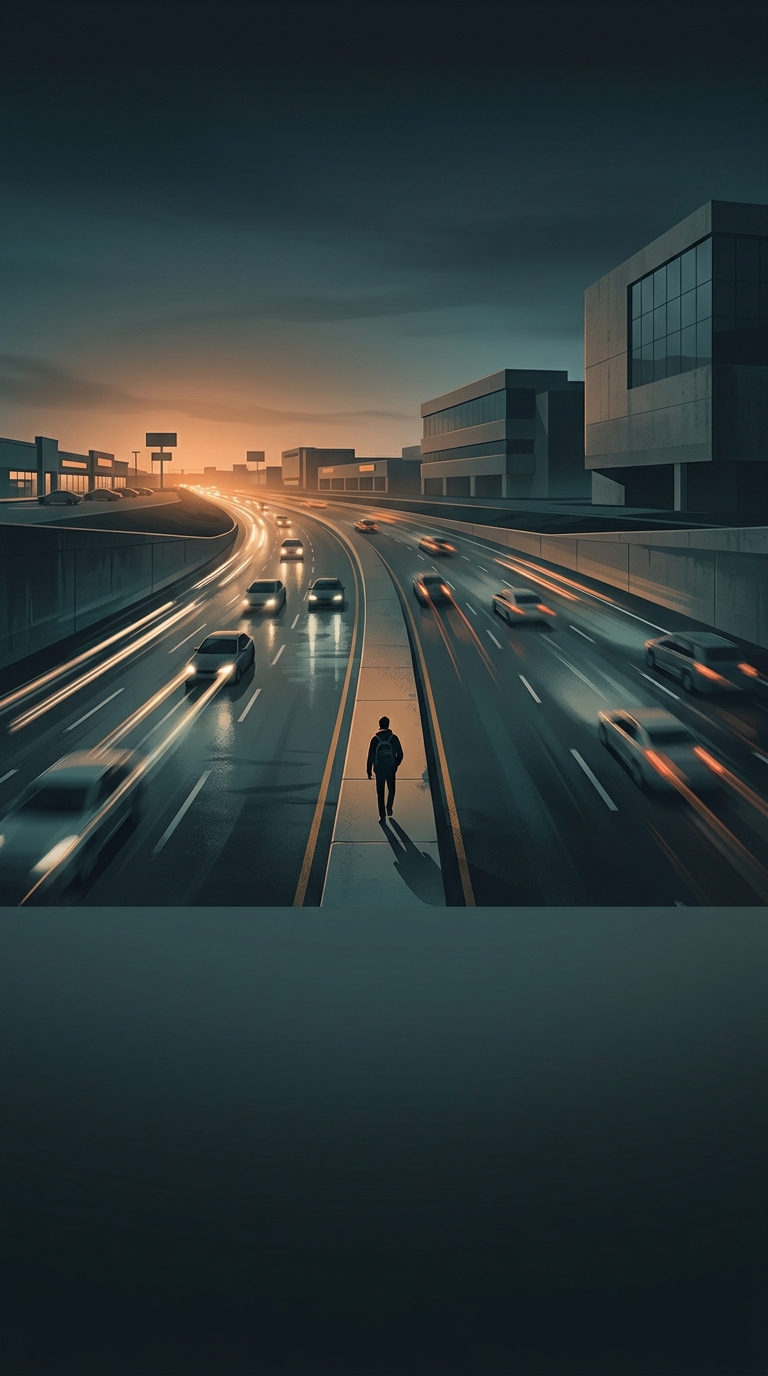
The same layout funnels cars toward a limited number of exits. Those roads can become busy and harder to cross, even while the residential street behind them stays quiet. Children may have a comparatively calm place to play near home, but getting to a park, school, or friend’s house can mean crossing roads designed mainly to move vehicles.
The pattern also matters in an emergency. Responders may have fewer ways to reach a home if a connecting road is blocked, and residents may have fewer routes out. A cul-de-sac is not automatically unsafe; its risk depends on how the surrounding streets connect and whether walking and biking routes continue through the neighborhood.
A tradeoff planners have to design around
Dead ends can help limit cut-through driving, but repeated dead ends trade route choice for isolation. Planners therefore look beyond traffic on one quiet block: they ask whether people can reach everyday destinations without detours, and whether the roads that serve the subdivision can safely handle the traffic—and crossings—that the layout funnels toward them.