How a Centerline Turned Traffic Into a Shared System
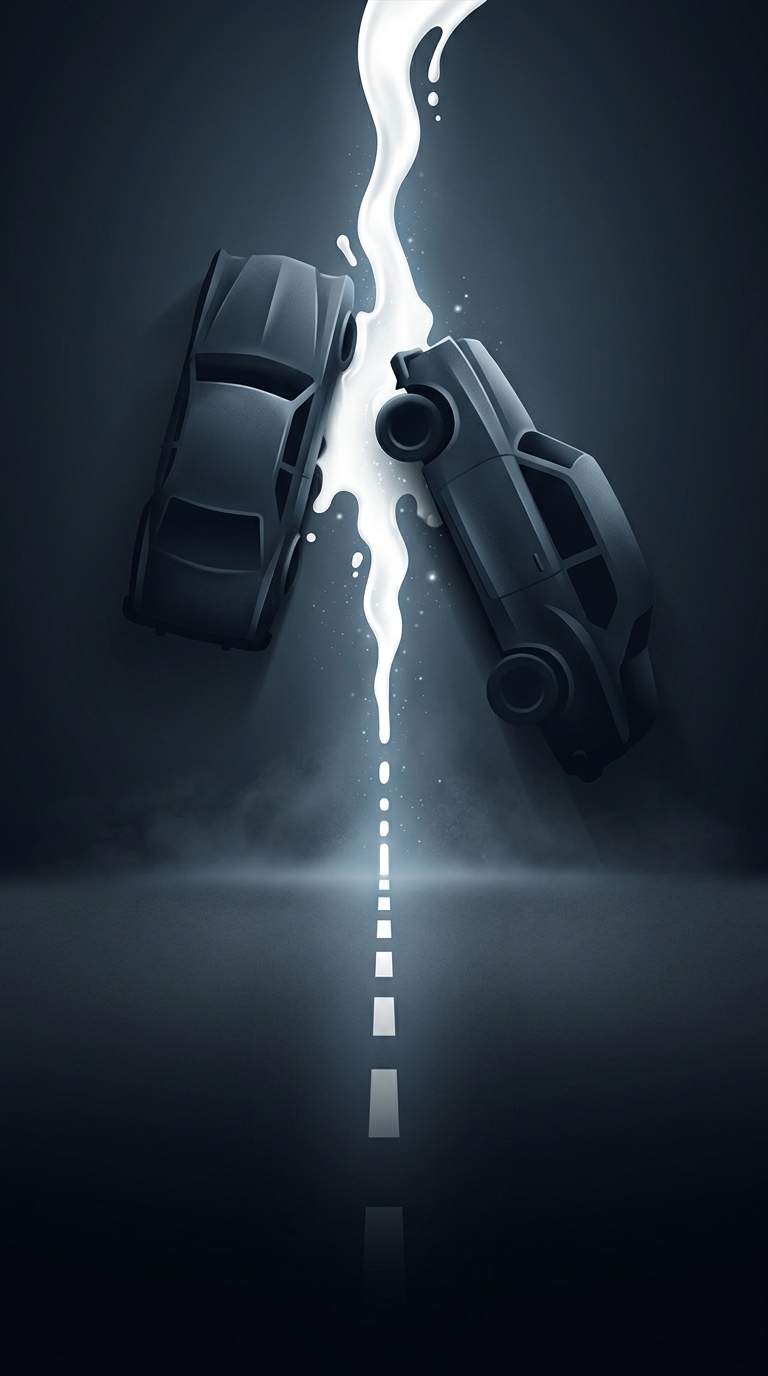
Before pavement markings became common, drivers had to judge where to travel from the road’s edges, the shape of the surface, and the position of approaching vehicles. A centerline added a continuous reference point between opposing directions. It did not create a physical barrier; it made the intended division easier to see and follow.
That shared reference changed a small but important part of driving: each person no longer had to infer the road’s middle from scratch. On a narrow road or around a bend, a driver could compare the car’s position with the line and adjust before drifting too far toward oncoming traffic. The approaching driver could make the same judgment at the same time.
A Rule Drivers Could Read at a Glance
A painted line works because it turns an abstract instruction—keep to your side—into a visible guide that stretches along the road. Drivers can take in that guide while moving, without stopping to negotiate or relying on eye contact with strangers. The paint does not decide what a driver should do in every situation, but it gives both sides a common point of reference.
The system depends on that reference remaining visible. Darkness, rain, snow, worn paint, and glare can make a line harder to read, so markings support judgment rather than replace it. Still, the basic idea is powerful: a narrow stripe can help many people coordinate their movements independently, one passing vehicle at a time.