A philosopher who presented himself as more than mortal
Empedocles, a fifth-century BCE thinker from the Greek city of Akragas in Sicily, taught about nature while also speaking in the language of religious purification and rebirth. A surviving verse attributed to him has him announce that he approaches as an immortal god. The claim fits a world in which philosophy and religious authority were not sharply separated: a teacher might offer an account of the cosmos and present himself as someone with unusual spiritual knowledge.
Later accounts made that self-presentation vivid. They described Empedocles traveling in striking dress, including purple robes and bronze or golden footwear. Such details turn an abstract claim of divine status into a public performance: his appearance, followers, and teachings could all reinforce the impression that he was no ordinary man.
Why the volcano entered the story
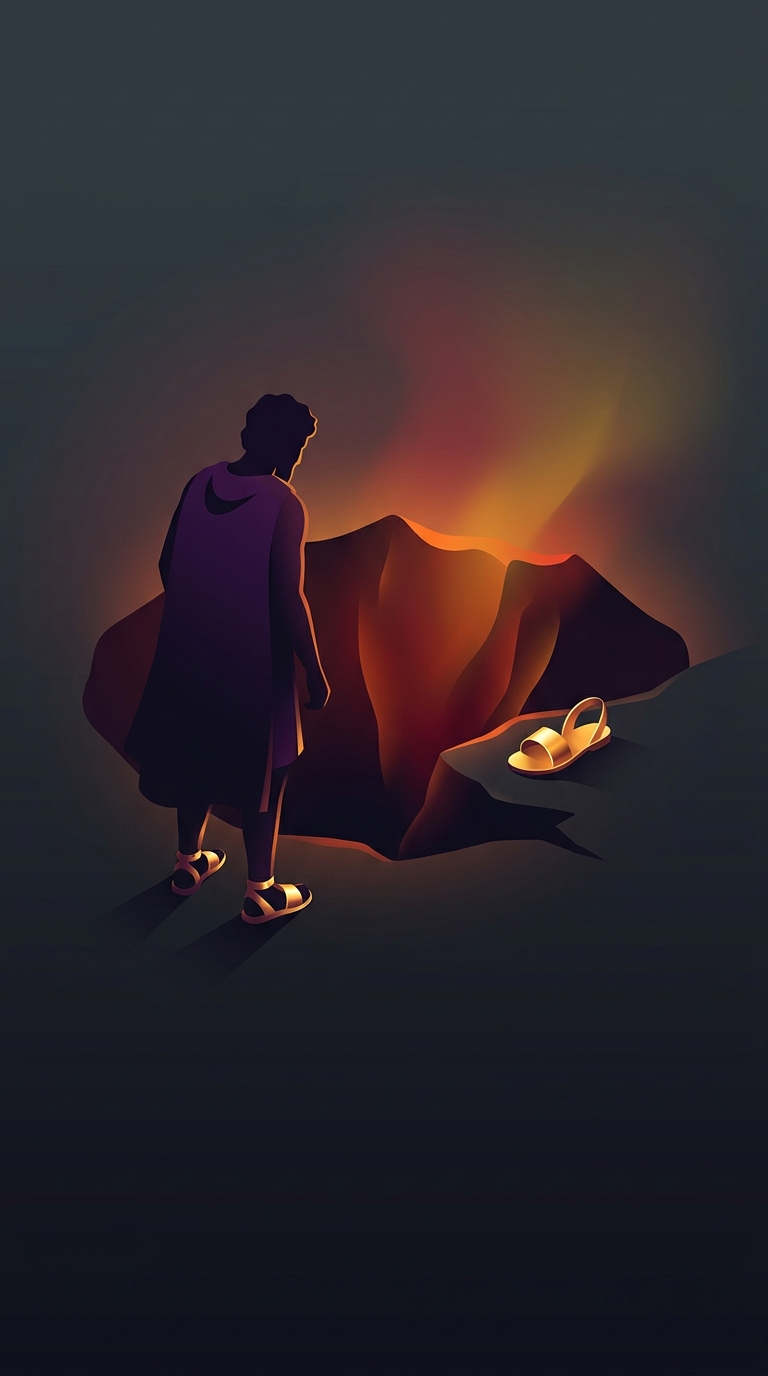
The best-known death story connects Empedocles to Mount Etna, the active volcano on Sicily. In the version preserved by ancient biographers, he leapt into its crater to make people believe he had become a god; the volcano supposedly betrayed him by throwing back one of his sandals. The detail gives the tale its sharp punch line: a man who claimed to transcend mortality leaves behind an ordinary piece of evidence.
That episode is legend, not a securely documented report of what happened. Its staying power comes from how neatly it dramatizes the tension in Empedocles’ image: he could speak as a god, but the story makes the physical world deliver the final verdict. The sandal is less a reliable record of his death than a memorable prop in an ancient argument about pride, belief, and the limits of human power.