A Helicopter’s Downwash Reaches the Ground
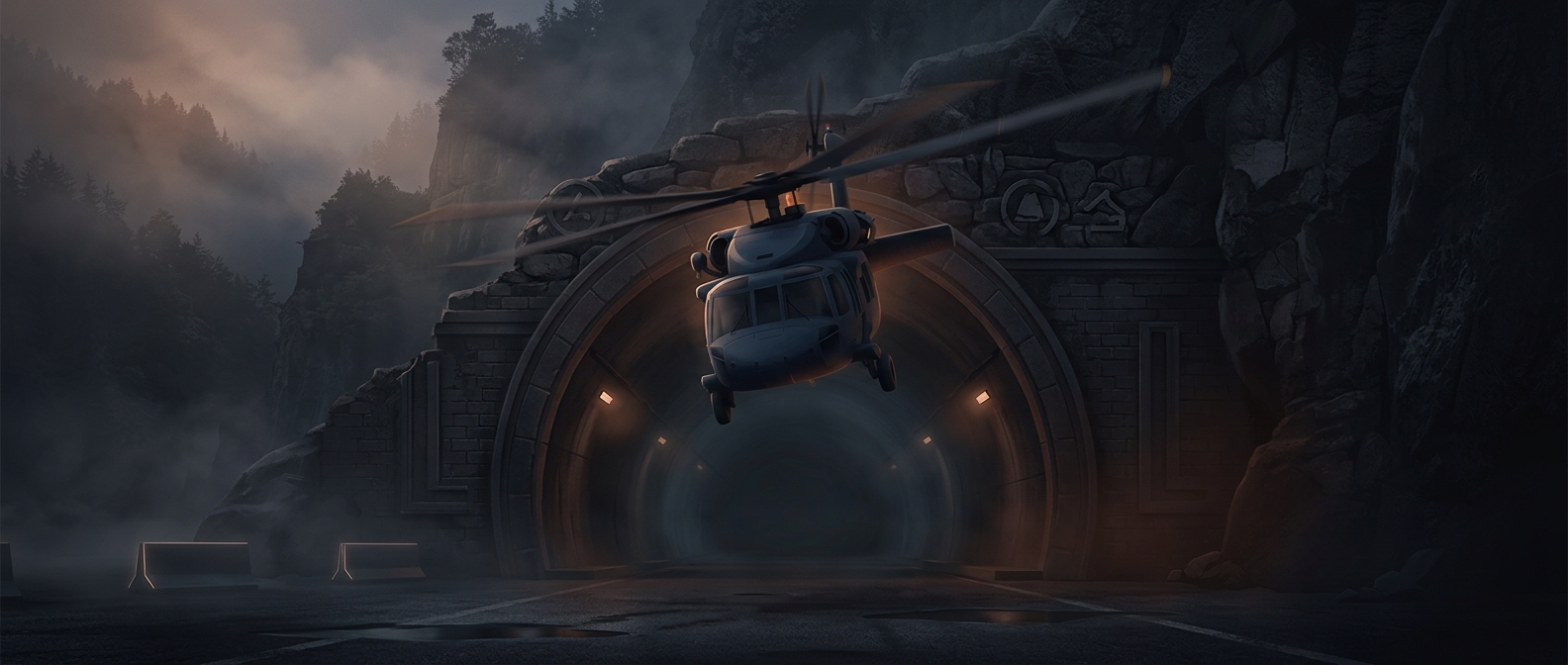
A helicopter stays aloft by forcing air downward with its rotor. That moving air—called downwash—does not stop at the blades: it spreads outward when it hits the ground, carrying dust, leaves, and other light objects with it. Near a hovering helicopter, the airflow can be strong and uneven, especially as it curls around obstacles and the edges of the landing area.
Paper bills have little weight compared with their broad surface. Instead of falling straight down, each bill catches the air, bends, and flutters. Small changes in angle can send it spinning or sliding in a different direction, so a release that looks orderly from above can become scattered almost immediately.
Why the Drop Is Hard to Control
A helicopter can choose where to hover, but it cannot make the air beneath it behave like a narrow chute. The rotor’s circular motion creates shifting currents, and a breeze can carry the bills farther still. Lowering the helicopter may intensify the airflow at the surface; rising higher can give the bills more time to drift before they land.
That makes a cash drop a transport problem as much as a spectacle: the aircraft can deliver the bills to an area, but not neatly to individual hands. The result is shaped by rotor speed, height, wind, and whatever the air encounters on its way down.
The Crowd Becomes Part of the Scene
The same gusts that scatter paper can also blow grit and loose debris around, while a crowd moving to chase bills adds another hazard. Helicopter operations therefore depend on keeping people and obstacles clear of the aircraft’s working area, not simply aiming for a dramatic hover.
The memorable image is a mismatch of scale: a machine powerful enough to lift itself and its passengers creates airflow that can send a handful of lightweight bills skittering unpredictably across the ground.