When the Cabin Was Part of the Show
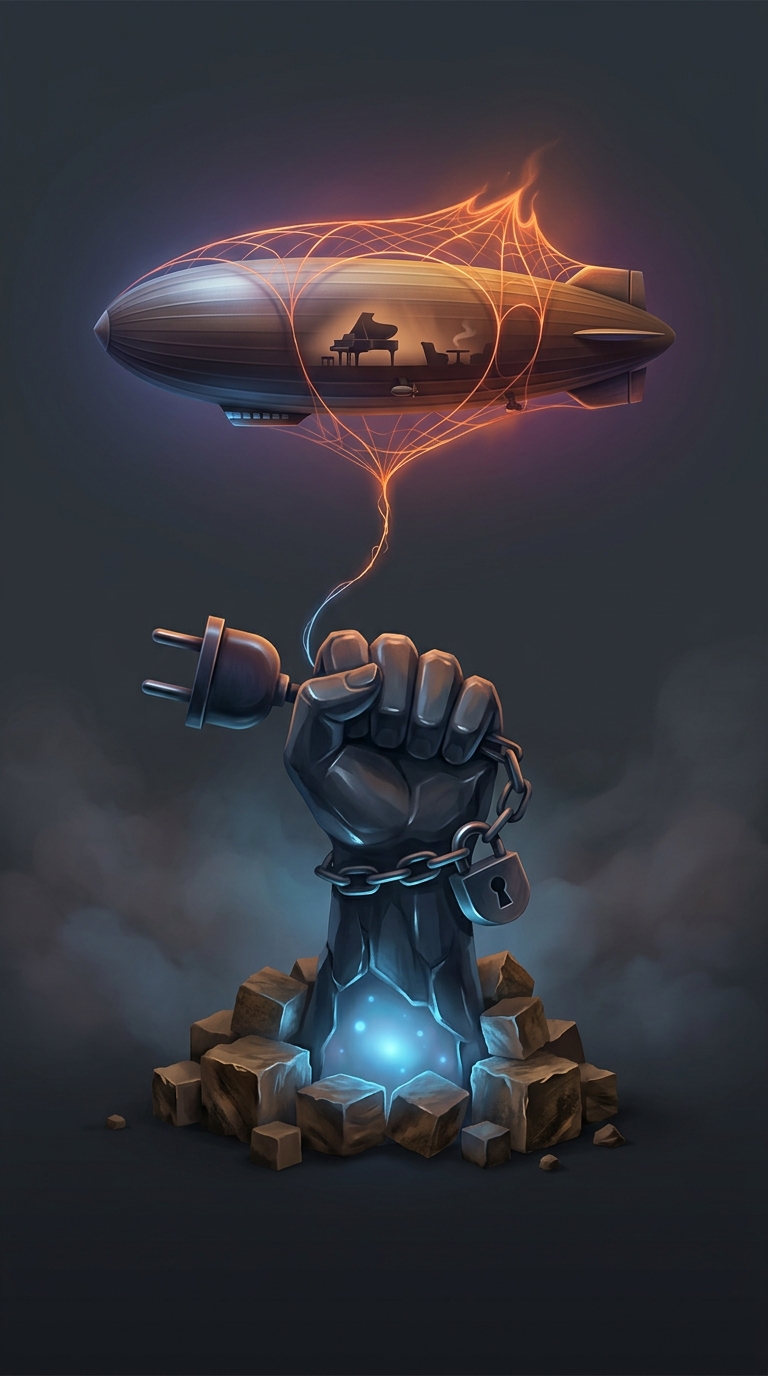
Early commercial aviation had to sell more than a way to get from one place to another. Flying was costly and unfamiliar, so airlines made the journey itself feel special. On some aircraft, that meant roomy cabins, elaborate meals, cocktail bars, or lounges with pianos. These features turned limited cabin space into a stage for luxury—and helped distinguish one airline’s service from another’s.
The spectacle came with practical limits. A lounge, bar, or piano took up room that could otherwise hold seats, and every added amenity had to be carried aloft. As air travel developed into a more routine form of transport, airlines had stronger reasons to use cabin space efficiently and make service easier to manage. The airborne hotel gradually gave way to the standardized cabin.
Finding a Way Before Electronic Navigation
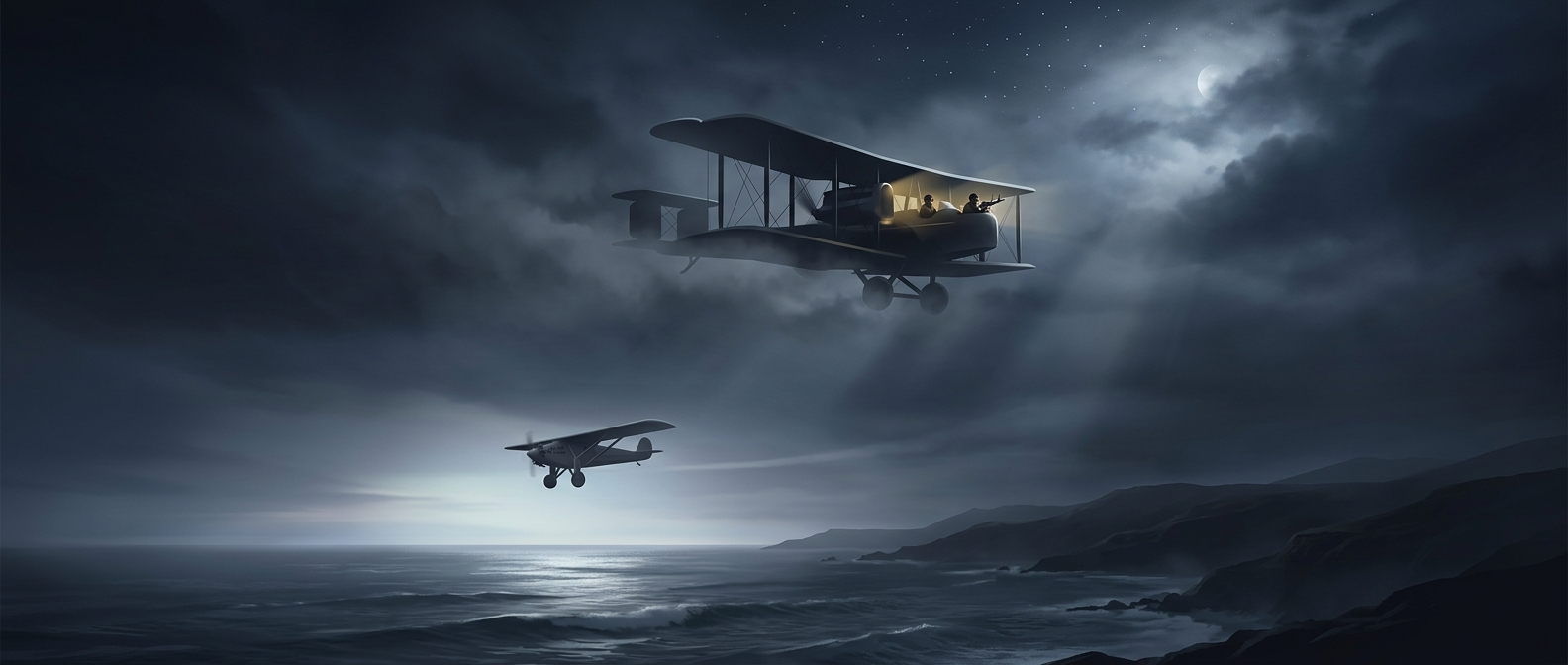
The cockpit changed for a different reason: pilots gained better tools for knowing where they were. Before dependable electronic navigation became available, celestial navigation used the positions of the sun or stars to help establish an aircraft’s location. A pilot could take an observation and compare it with navigation charts, much as sailors had done at sea. Clouds, darkness, and the need to make calculations made the method demanding; stars were useful guides, not a simple substitute for modern instruments.
From Novelty to Routine
Smoking and unusual cargo reflected an era when the cabin was treated more flexibly than it is today. But air travel’s growth brought pressure to make flights more predictable: passengers, crews, and cargo all had to fit within the same limited space, while operations depended on consistent procedures. That shift changed what airlines emphasized. The piano lounge and the view through a smoke-filled cabin may sound extravagant now, but they belong to a period when simply being in the air was still part of the entertainment.