From clickable challenge to television-scale contest
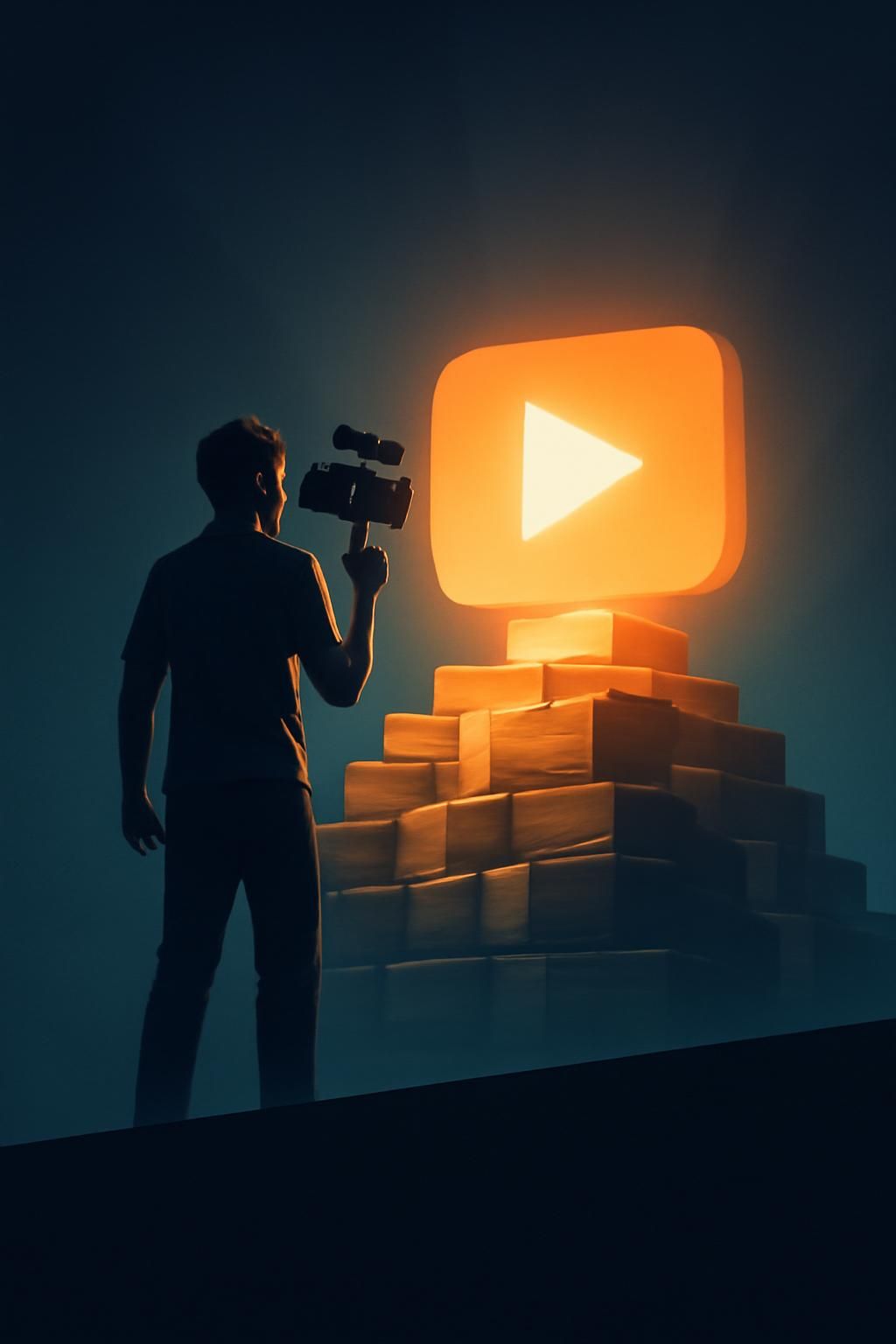
MrBeast’s YouTube videos had made a recognizable engine out of escalating challenges: contestants face a simple premise, the stakes rise quickly, and a major prize gives each decision weight. Amazon’s 2024 announcement of Beast Games carried that engine into a very different kind of production. The shift was not just a bigger screen. A streaming competition has to sustain attention across episodes, while a YouTube video often builds toward one concentrated payoff.
That changes how the format has to work. Challenges need rules viewers can grasp at a glance, but also enough turns and eliminations to keep the contest moving. Producers must coordinate contestants, locations, safety, filming, and prize logistics on a scale a creator-led video does not automatically require. A premise that feels thrilling in a short online video has to remain coherent through a much longer competition.
The creator becomes part of the production system
The announcement also reflected a change in who can bring a television-scale idea to market. MrBeast arrived with an established audience and a format already tested in videos; Amazon brought the resources and distribution of a major streaming service. The arrangement joined creator-built audience appeal to studio-scale production, rather than asking a traditional television format to imitate internet culture from scratch.
That partnership carries a creative tradeoff. The qualities that make a challenge work online—instant clarity, visible stakes, and rapid escalation—can help a large audience follow it. But a series also needs room for contestants and outcomes to matter beyond the next spectacle. The central test was whether a format developed for the quick, high-impact rhythm of YouTube could hold together as a sustained competition.