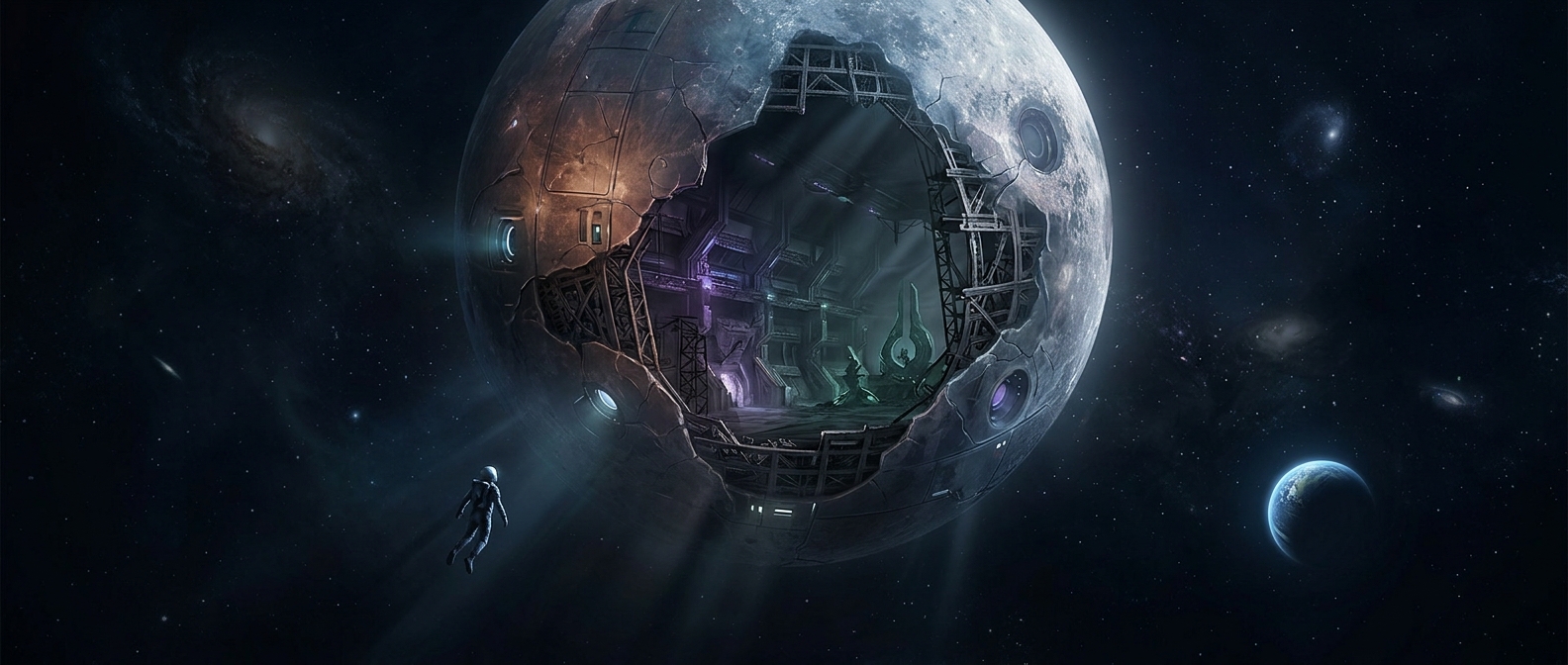
How the “Hollow Moon” Theory Reads the Evidence
The hollow-Moon idea turns two striking observations into a single story: if lunar craters seem oddly shaped, and the Moon vibrates for a long time after being struck, perhaps it is not a solid world but an artificial shell. In this interpretation, the surface is a casing, and the space beneath it helps explain both clues.
The appeal lies in connecting things that otherwise seem unrelated. A crater is not just a mark left by an impact; its shape becomes a hint about the material underneath. A lingering vibration is not merely a seismic measurement; it can sound, in the theory’s imagery, like a hollow object resonating after a tap.
What “Rang Like a Bell” Means
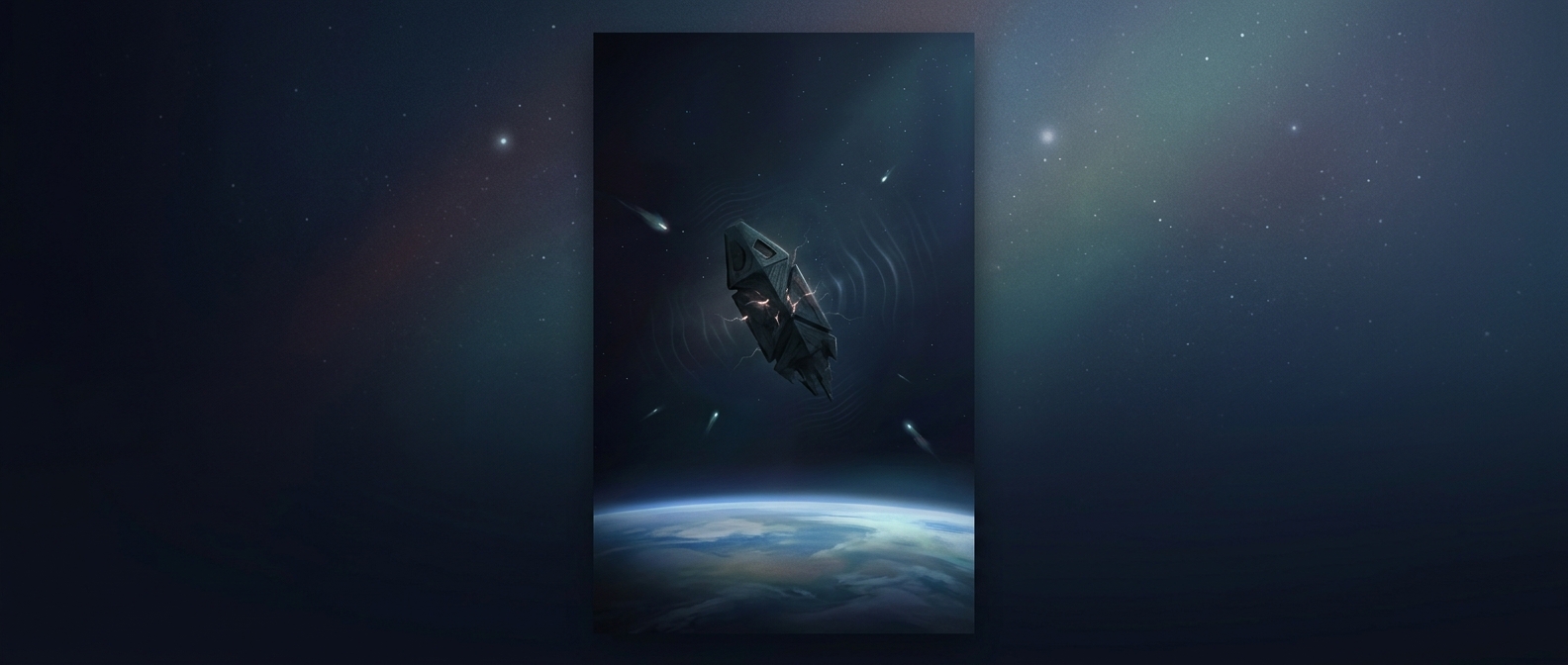
The phrase refers to seismic vibrations measured after spacecraft and rocket stages hit the Moon during the Apollo era. Instruments recorded the Moon shaking after the impacts. “Ringing” is a metaphor: the instruments detected vibrations, not a sound heard in space.
The Moon’s dry, fractured rock can let seismic waves travel and fade differently than they do through Earth’s wetter, more varied crust. That makes the signals intriguing, while leaving room for proponents to interpret their duration as evidence of a shell-like interior.
From Anomaly to Story
The theory’s strength as a piece of speculation is its compactness: craters and vibrations become parts of one hidden design. But each observation can also be studied on its own, through impact physics and the way waves move through lunar material. The memorable image persists because it turns an abstract seismic record into something familiar: a struck object that keeps trembling long after the blow.