How the Shaver Mystery blurred fact and science fiction
Richard Shaver’s underground-cavern story reached readers through Amazing Stories, a pulp magazine devoted to science fiction. In the 1940s, editor Ray Palmer gave Shaver’s claims unusual prominence, presenting them not simply as an invented adventure but as a possible account of hidden history. That framing changed the reading experience: the Deros were not just villains in a fantasy but an alleged explanation for real misfortunes.
Shaver said the Deros were descendants of an ancient race who had remained underground and used mysterious devices to torment people. He attributed accidents, intrusive thoughts, and everyday irritations to their influence. The claims offered a single, dramatic cause for experiences that otherwise seemed random or hard to explain.
Why readers took the claims seriously
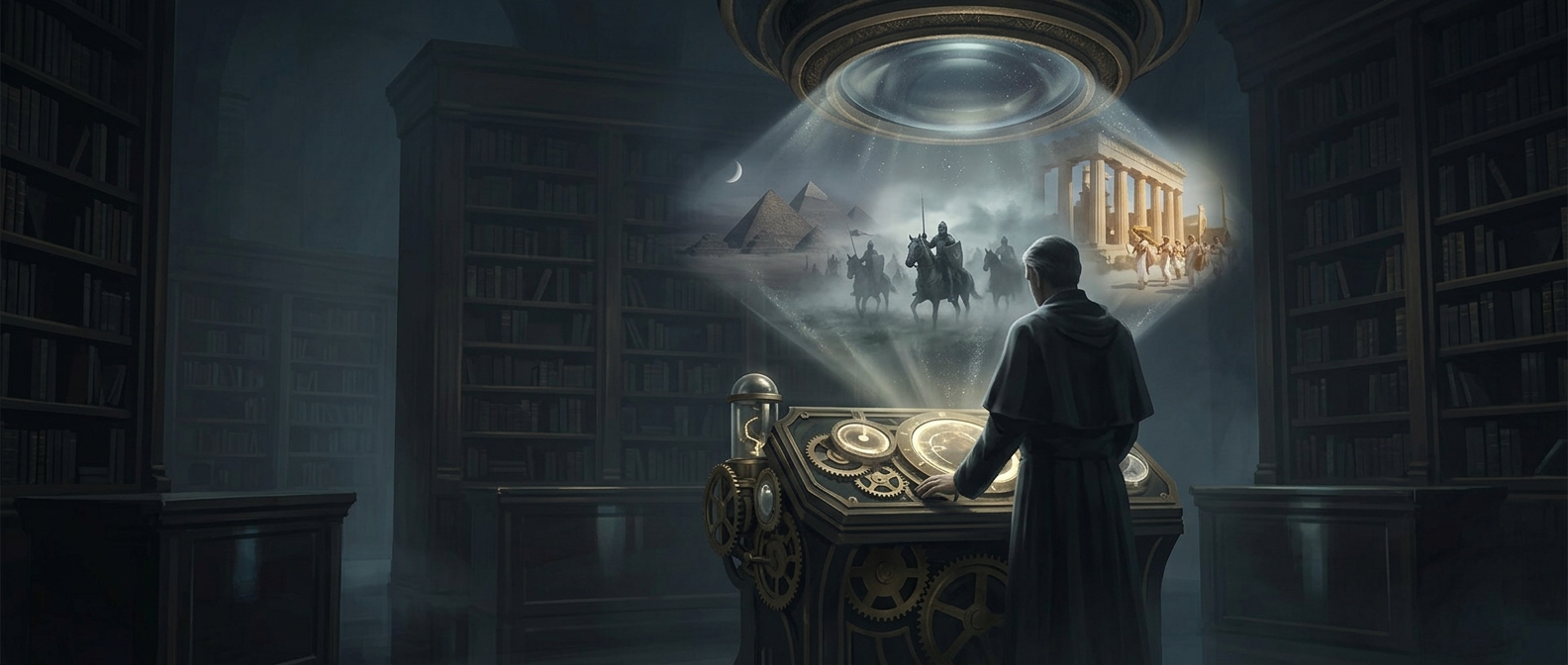
The magazine’s presentation mattered as much as the story itself. Science fiction often invited readers to imagine technologies beyond their own, and Shaver’s tale borrowed that language: unseen machines supposedly acted on human minds and events. By mixing speculative machinery with assertions of personal experience, the story made its fantasy feel like a secret report rather than a conventional novel.
Readers wrote to the magazine with accounts they felt resembled Shaver’s. Such responses helped the “Shaver Mystery” grow into a sustained public controversy, though they did not establish that underground beings or mind-controlling devices existed. The striking move was to turn ordinary bad luck into evidence of an invisible enemy—and then invite readers to search their own lives for clues.