How the “Ice Wall” Fits a Flat-Earth Worldview
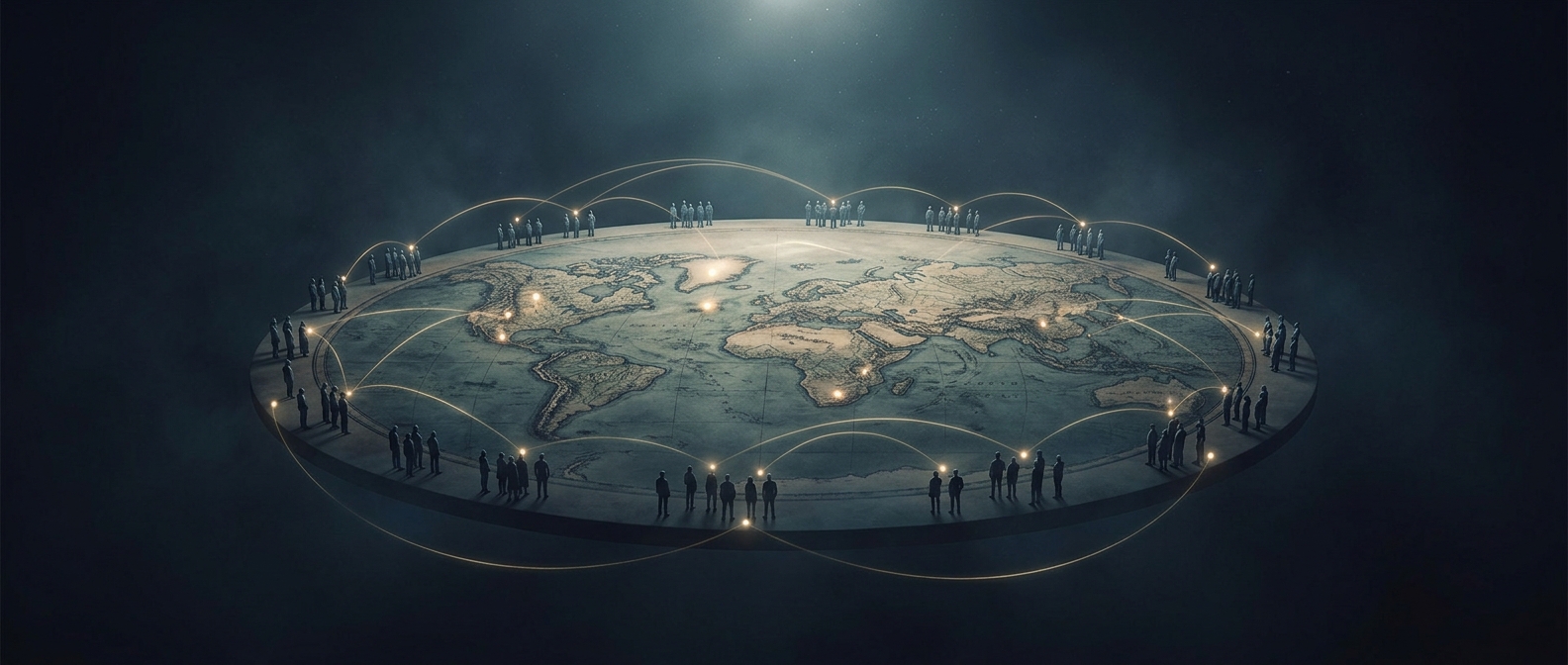
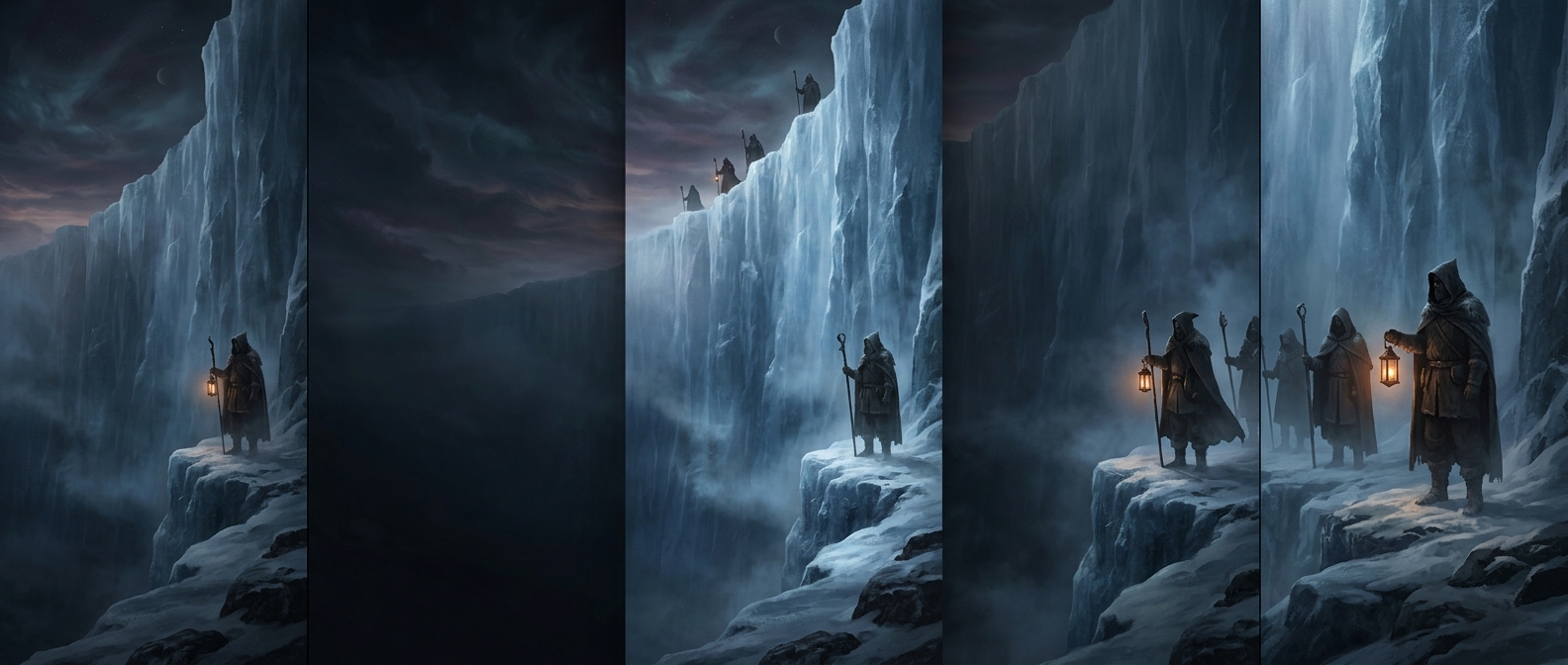
In this version of flat-Earth belief, Antarctica is not a continent at the bottom of a globe. It is imagined as a continuous wall of ice at the outer edge of a disk-shaped world. The wall gives the model a visible boundary: beyond it, believers say, lies territory ordinary maps do not show.
The image also changes the meaning of Antarctic travel. A journey south is no longer simply a trip to a remote continent; within the story, it becomes an approach to the world’s supposed perimeter. Claims that global agencies guard the ice wall supply an explanation for why, believers argue, people cannot freely reach or cross that boundary.
Why the Guarding Claim Matters
The claim is part of the belief’s internal logic, not a separate detail. If the edge is said to exist but remains out of reach, an alleged system of protection explains the gap between the proposed map and what most people can personally inspect. Institutions become characters in the account: their rules and authority are interpreted as evidence of concealment rather than as ordinary governance.
That interpretation turns a difficult-to-visit place into a powerful symbol. Antarctica’s remoteness makes it easy to imagine as a hidden frontier, while the ice-wall story gives that distance a specific purpose: it is said to keep the rest of the world from seeing what lies beyond.