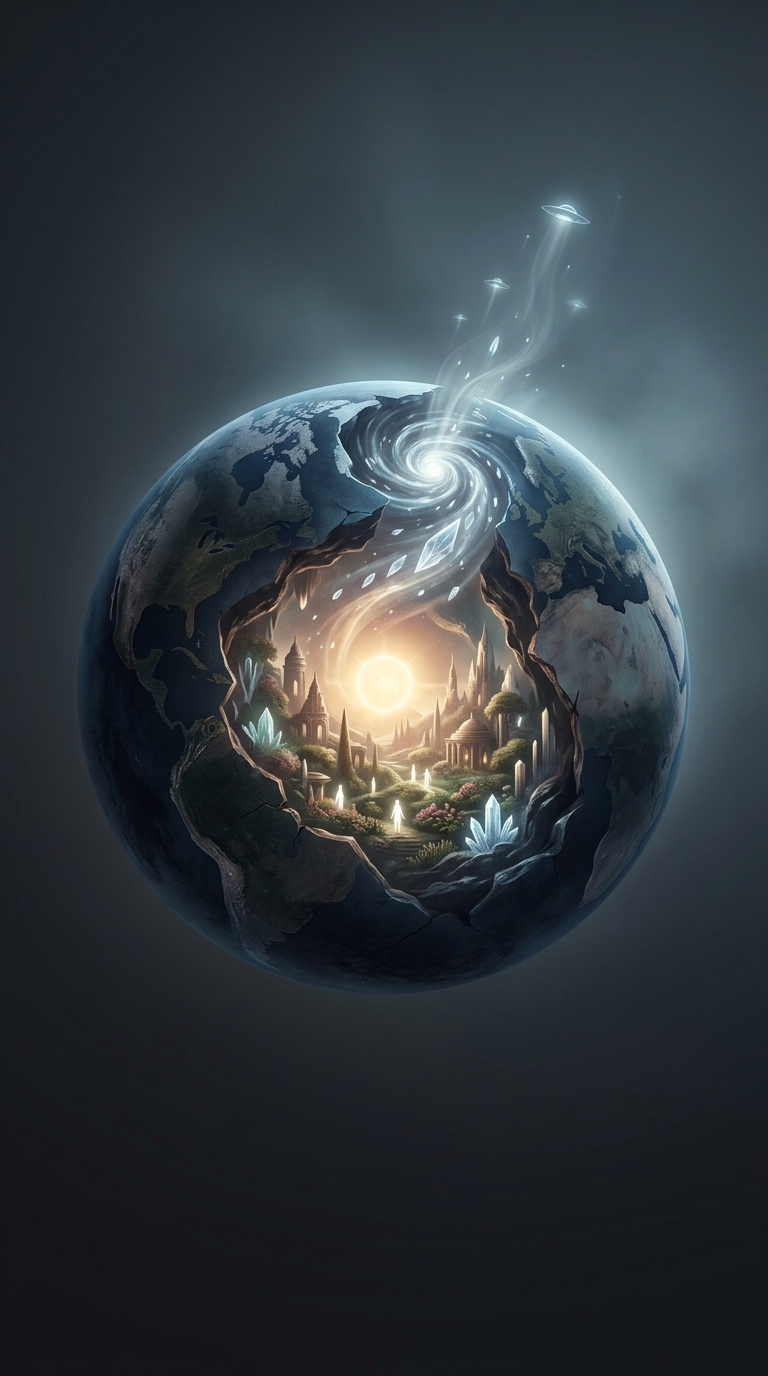
Agartha’s hidden geography
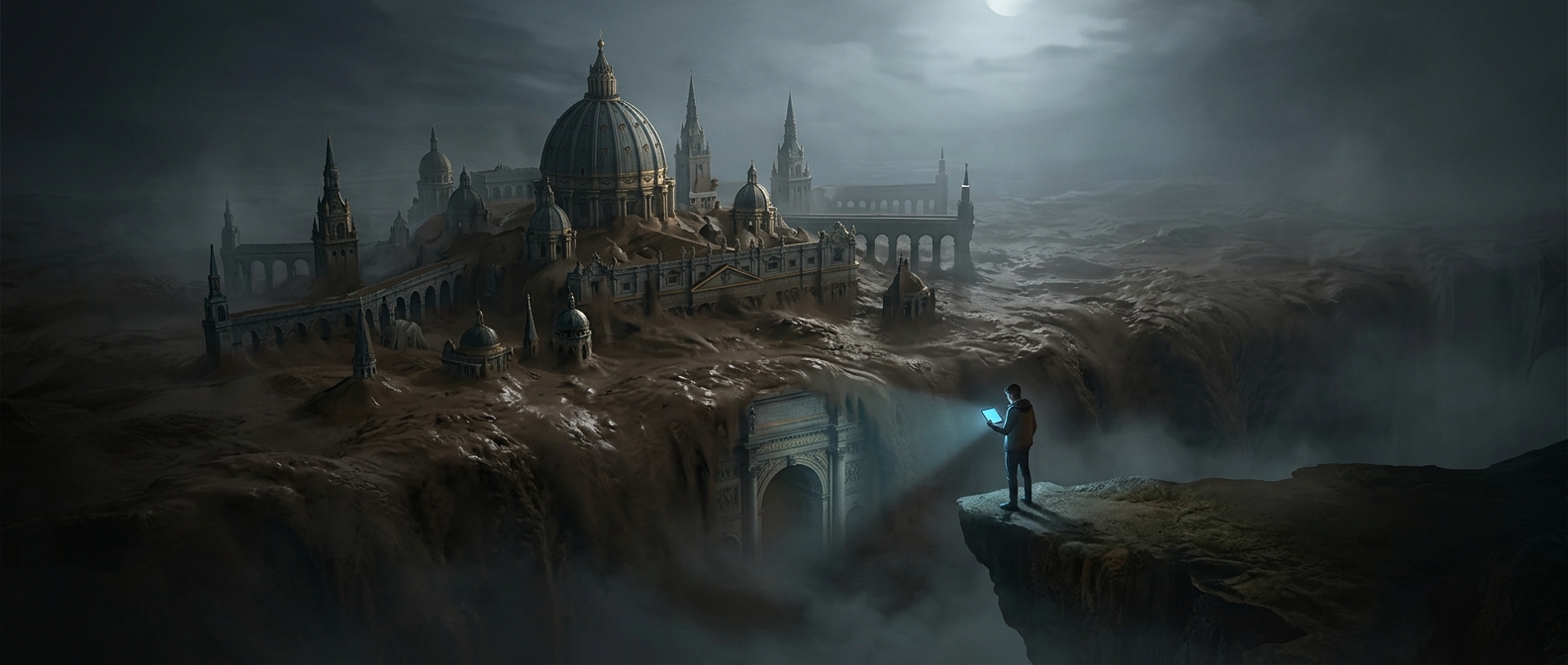
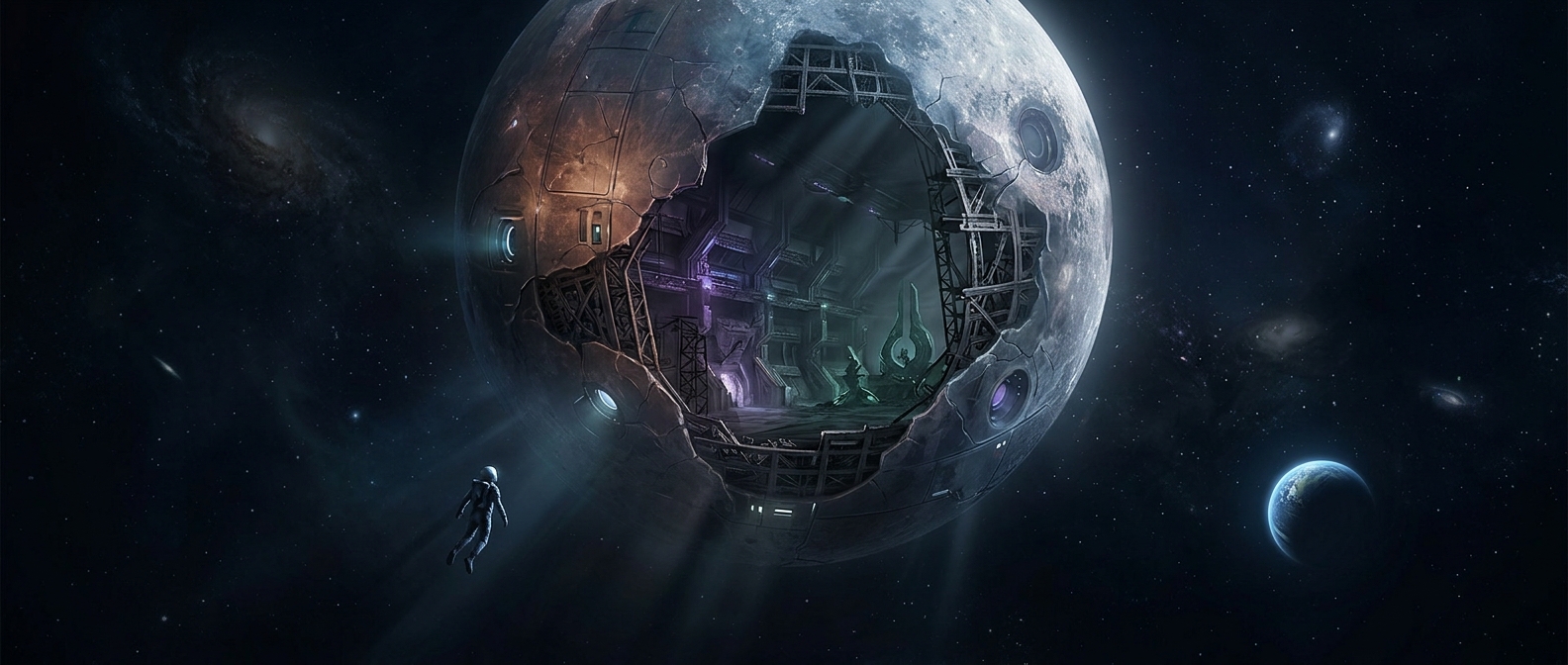
Agartha (also spelled Agarttha) is a kingdom in hollow-Earth lore: stories that imagine vast inhabited regions beneath the planet’s surface. In occult and New Age versions, the poles offer concealed routes inward, and an inner sun illuminates a civilization whose inhabitants have developed spiritually beyond ordinary humanity. The details vary; the pole entrances, underground realm, and enlightened people form a flexible body of legend rather than a single fixed account.
From occult writing to modern myth
The name entered European esoteric writing in the late 19th century and gained wider attention through later accounts of hidden kingdoms in Asia. Such stories often blended speculation about inaccessible places with ideas drawn from spiritual traditions. Agartha is sometimes linked with Shambhala, a sacred land in Buddhist traditions, but the two are not simply interchangeable: Agartha’s location inside Earth belongs to a distinct occult framework.
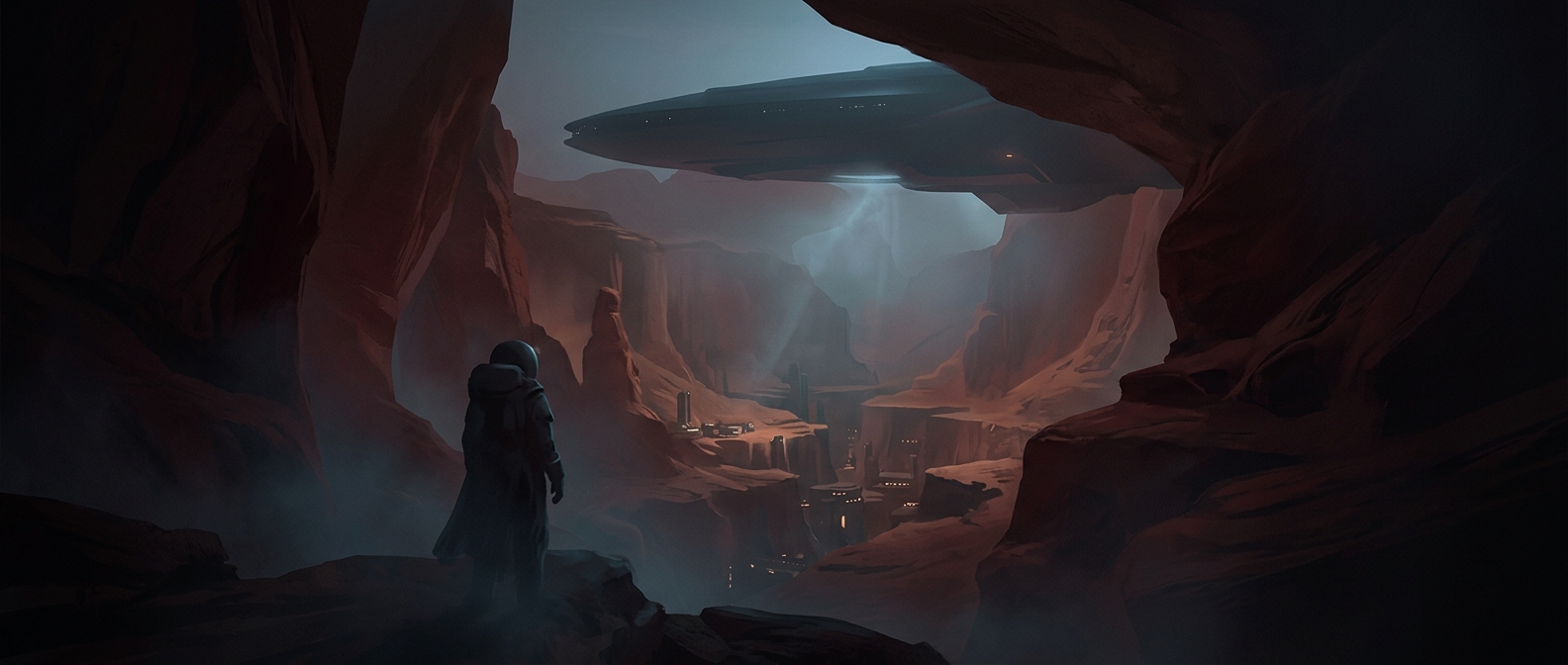
The flying-saucer element is a later layer. As UFO stories became part of popular culture, some tellings recast Agartha’s inhabitants as pilots of craft that emerge from the hidden world. This lets the legend join two kinds of mystery—the inaccessible underground and unexplained objects in the sky—without every version needing to include UFOs.
Why the story holds together
Agartha turns the blank spaces of a map into a moral and spiritual contrast. The surface world is familiar and troubled; beneath it lies a protected society imagined as wiser and more advanced. Secret entrances make that alternative world feel both near and unreachable. The result is a legend that can absorb new wonders while keeping its central promise: another civilization may be hidden just beyond the limits of ordinary access.