How games make a near-defeat feel survivable
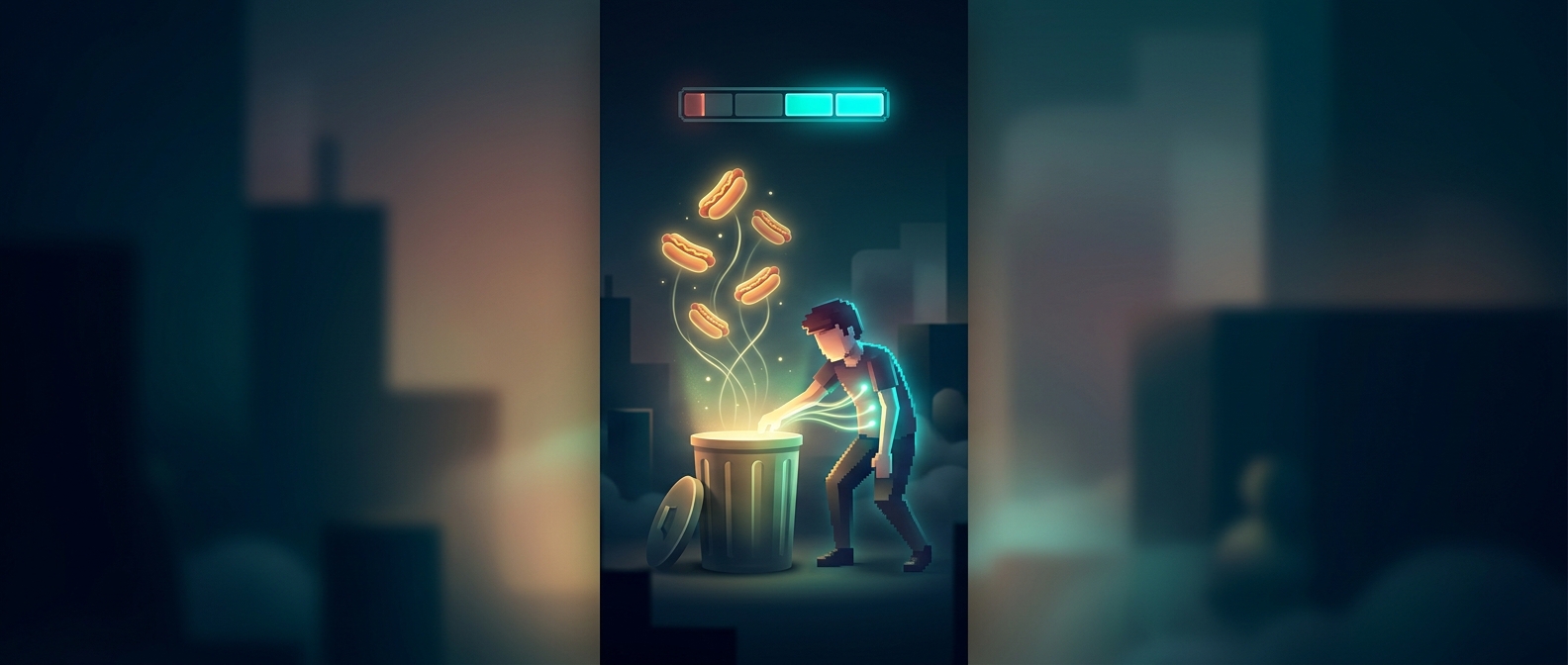
A health bar looks like a simple meter: take damage, lose health, and eventually reach zero. But a game can quietly change the damage calculation near that endpoint. The final few points may absorb more damage than the same number of points did earlier, or a hit may be softened once health drops below a threshold. The bar still appears to shrink normally; the character just takes longer to reach defeat.
This creates effective health: the amount of damage a player can actually withstand, which may be greater than the amount the bar suggests. A character showing almost no health might survive another blow that would have been fatal a moment earlier.
The design tradeoff behind the extra chance
That hidden cushion can preserve a close encounter. A player who has made it through most of a fight gets a brief chance to dodge, heal, or land a final attack instead of losing to one last hit. The pause between apparent near-defeat and actual defeat can make a comeback feel earned—and make the encounter easier to read under pressure.
But the same adjustment can frustrate players if it feels inconsistent. If enemies seem to survive unexpectedly, or the player lives through damage that should have finished them, the outcome can seem arbitrary. Designers therefore have to balance dramatic survival against the sense that damage is predictable and fair. A subtle change may smooth a fight; a noticeable one may make the health bar seem untrustworthy.
The practical consequence is that a nearly empty bar does not always mean the next hit will end the fight. In some games, the final sliver is less a precise measurement than a small buffer for one more decision.