What Xbox One’s cloud-computing pitch was meant to do
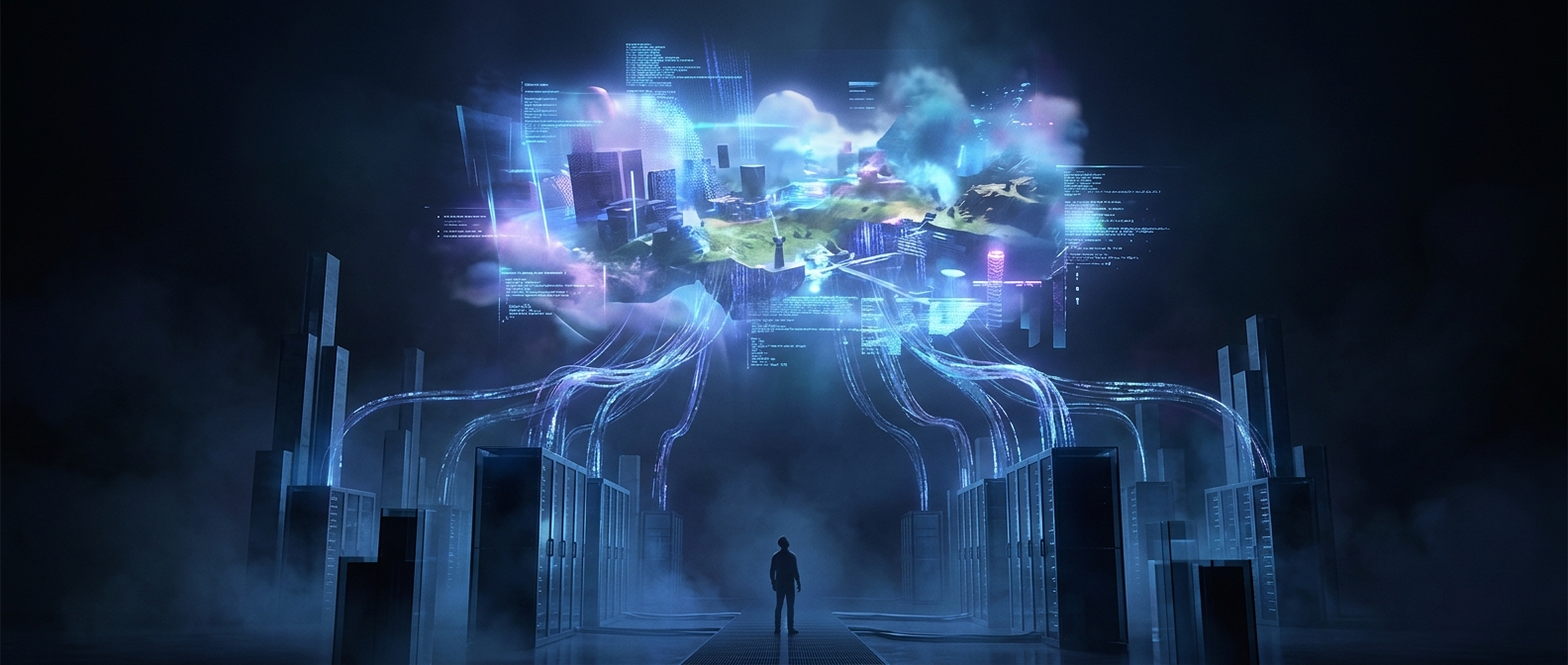
The idea was to let a game ask remote computers to handle some of the work behind a scene—such as tracking environmental changes or calculating how destruction might unfold—while the Xbox One handled the player’s immediate inputs and displayed the result. In principle, that could give a game more simulated detail than the console could manage alone.
This was different from streaming a game’s graphics from a server. The console would still run the game locally; the cloud would supply calculations or updated world information. It was an ambitious way to expand the game’s simulated world without adding more processing hardware to the box.
The difficulty was keeping the result in sync
A server can do substantial work, but its answer has to travel across the internet and arrive when the game can use it. That delay varies with a player’s connection and distance from the server. A calculation that affects something happening right now—like a light changing as a character moves—can be hard to rely on if the game must wait for a remote response.
Developers also need the game to remain playable when a connection is slow or unavailable. That makes cloud work most practical for tasks that can happen in the background, or whose results do not need to change instantly. Those tasks may be valuable without producing a dramatic visual moment for the player.
More computing did not guarantee a visible upgrade
The cloud could expand what a game might simulate, but it did not automatically make lighting or destruction look better on screen. The game still needed to be designed around the remote calculations, and the console had to present their results within the limits of the connection and the scene.
That gap between extra computation and an obvious on-screen difference helps explain why the feature made little visible impact in practice. A server may be doing work the player never notices; the test is whether that work changes the experience in a clear, dependable way.