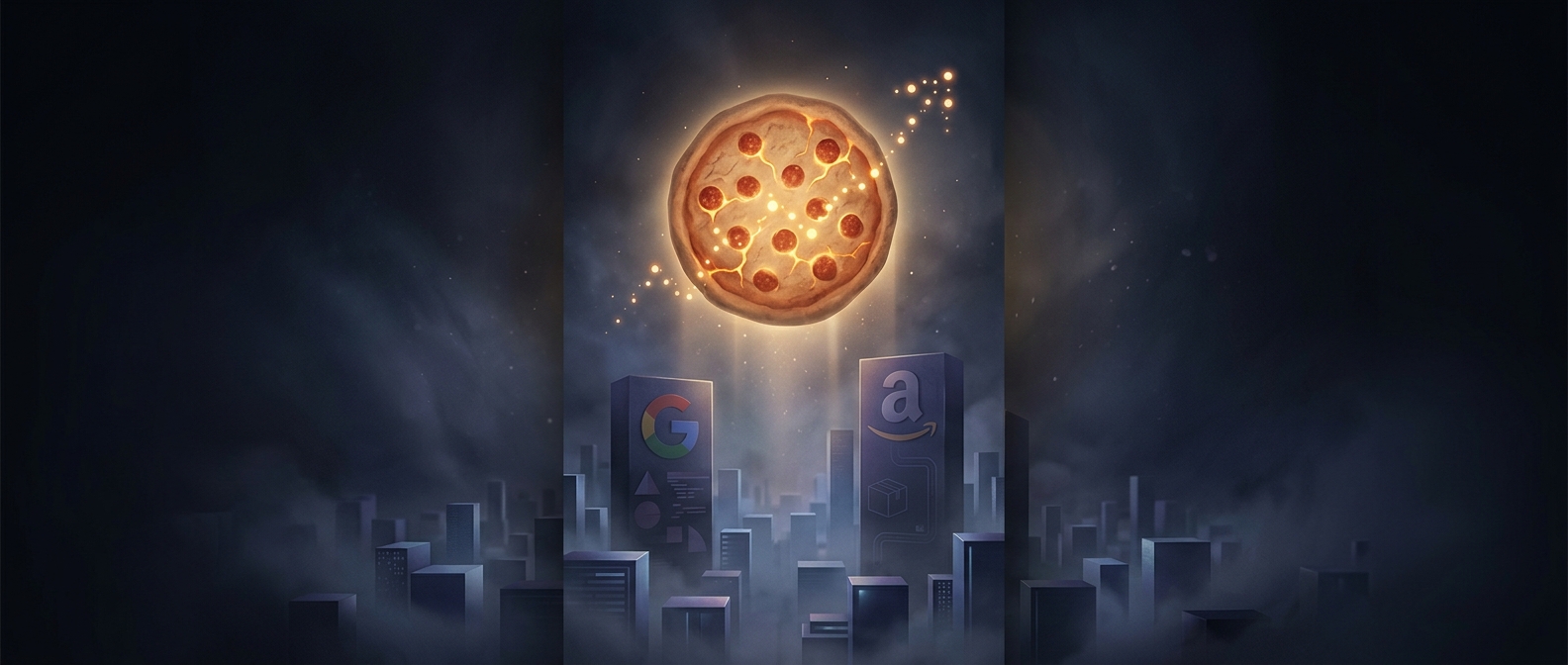
How a Hype Campaign Becomes an Exit
A shell company may have little more than a legal structure and shares available to trade, rather than a substantial business producing revenue. That does not automatically make its stock worthless, but it can leave investors with few operating results to use when judging what a share is worth. In a thinly traded stock, even a modest wave of new buying can move the quoted price sharply.
Promoters exploit that gap. They circulate dramatic claims or optimistic forecasts to make the shares seem like a rare opportunity. The campaign creates demand; rising prices then appear to confirm the story, drawing in buyers who may mistake momentum for evidence of a sound business. The crucial resource is not a better product or stronger earnings, but attention that can be converted into orders to buy.
Why the Price Can Crumble
People behind the promotion may already own shares and can sell into the demand they helped create. Their sales add supply just as later buyers are paying inflated prices. Once the promotion fades—or enough early holders cash out—there may be too few genuine buyers to support the price. A thin market can magnify the fall, because sellers may have to accept much lower bids to find someone willing to buy.
The promoters’ gain and the retail buyers’ loss come from opposite sides of the same timing advantage: early holders sell while enthusiasm is high; later entrants own the shares when it disappears. The stock certificate may remain, but the business prospects that would justify its peak price may never have been there. When the crowd moves on, getting out can mean selling at a steep loss—or finding no ready buyer at all.