The prank was part of the ride
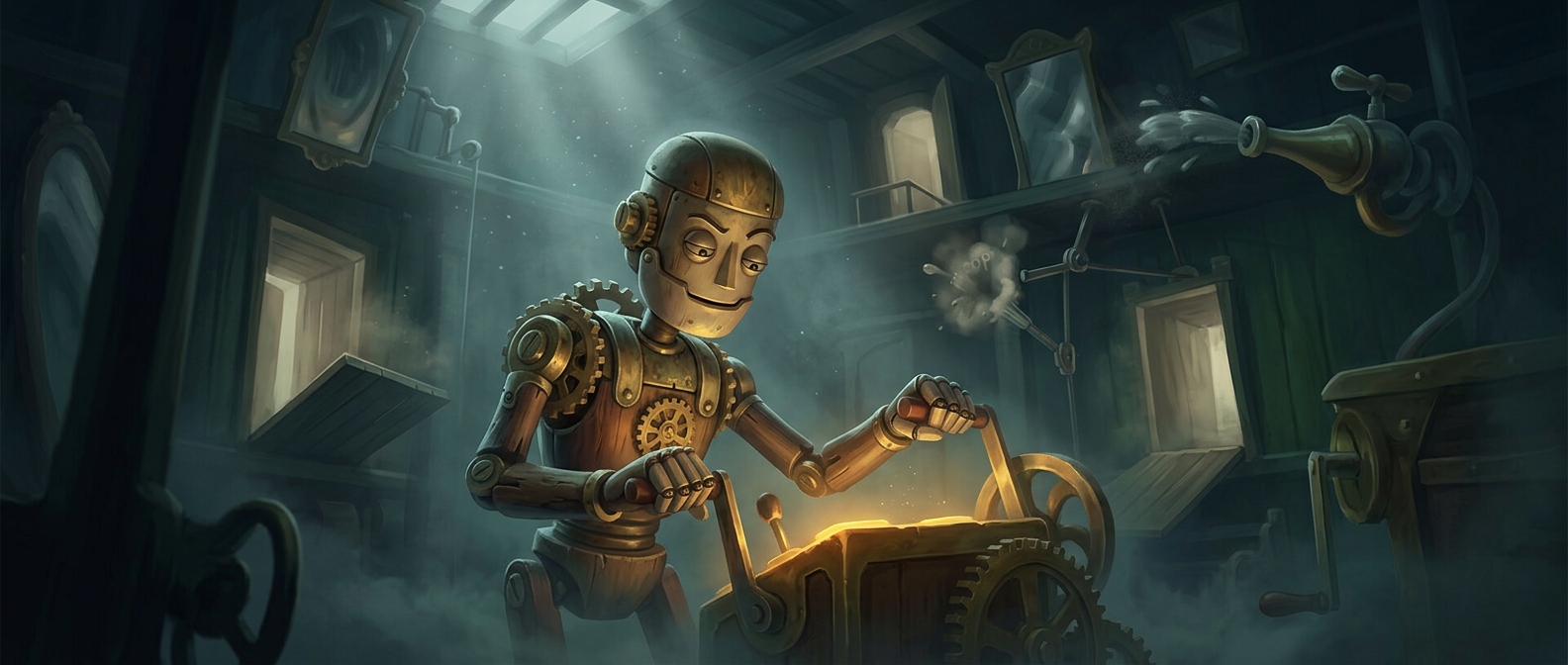
In some early fairground funhouses, the surprise did not come only from crooked floors or distorted mirrors. Hidden operators could trigger blasts of compressed air that sent women’s skirts billowing upward. The machinery turned an ordinary walk through the attraction into a small, unpredictable performance: the visitor became the spectacle, while the people watching got the joke.
Compressed air is air held under pressure and released suddenly. A concealed operator could direct a burst at a visitor without being seen, making the effect feel spontaneous. The trick depended on timing as much as force: an unexpected gust could startle someone before she had time to react or steady her clothes.
Why embarrassment drew a crowd
The gag played on the clothing and public expectations of its time. A woman’s skirt was both everyday dress and a boundary around what was considered decent to show in public. Making it fly up threatened that boundary, turning a moment of possible humiliation into entertainment for bystanders.
That imbalance was part of the attraction’s design. The visitor had little control over when the prank happened, while the hidden operator and the audience could anticipate it. Funhouses invited people to surrender some control to tricks and surprises; this one made the social discomfort itself part of the ride. The air burst was brief, but it could make a private reflex—grabbing at one’s clothes—visible to everyone nearby.