How a fracture becomes a bridge
A broken bone does not simply seal itself shut. Repair unfolds in stages because the gap must first be stabilized, then filled with tissue strong enough to carry load.
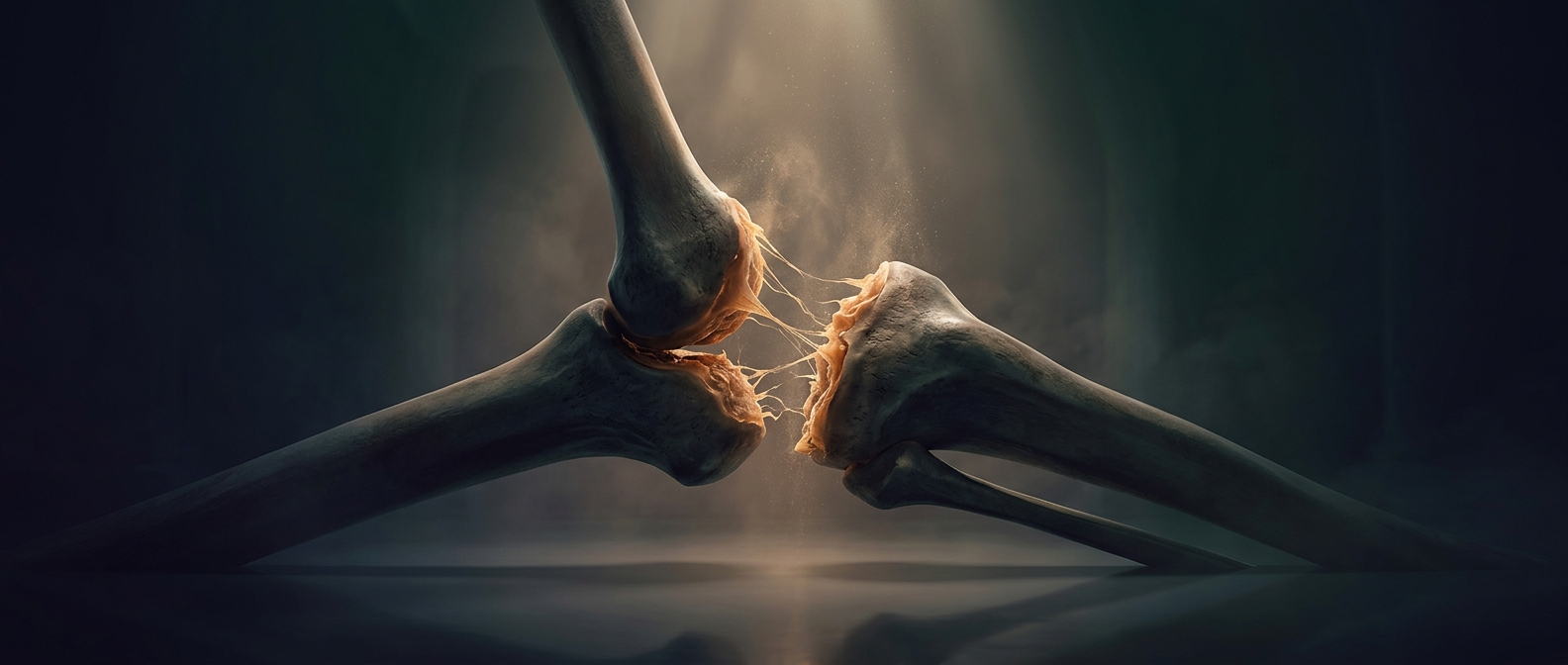
Soon after the break, blood vessels torn by the injury leak blood into the space between the fragments. The clot that forms brings in repair cells and helps create a temporary environment for rebuilding. As healing progresses, some of those cells make cartilage and fibrous tissue, producing the pliable callus that links the broken ends.
From flexible tissue to working bone
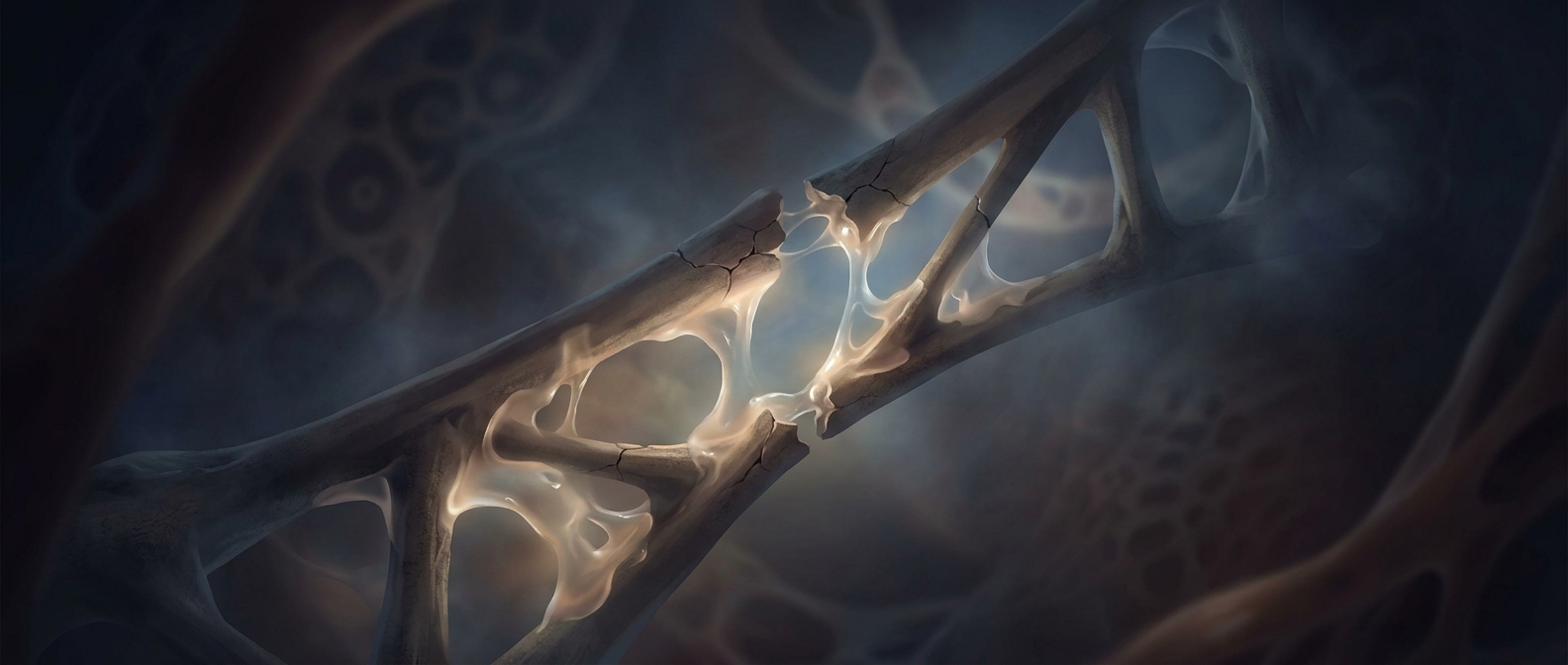
That early bridge is useful precisely because it is not yet rigid: it can connect irregular fragments while new tissue grows. Cells then replace much of the cartilage with woven bone, a quickly formed but relatively disorganized kind of bone. Mineral deposits make it harder, turning the bridge into a more solid union.
The repair is still unfinished. Over time, the body reshapes the new bone, removing excess material and reorganizing it along lines of stress. This remodeling helps the healed area better match the bone’s original structure and the forces it faces in daily movement.
Why protection matters
Each stage depends on the break staying sufficiently stable. Too much motion can disrupt the developing bridge; immobilization or surgical fixation helps keep the fragments aligned while the tissue matures. The result is not a single instant weld, but a living repair that changes from soft support into durable bone—and then continues adapting after the break has joined.