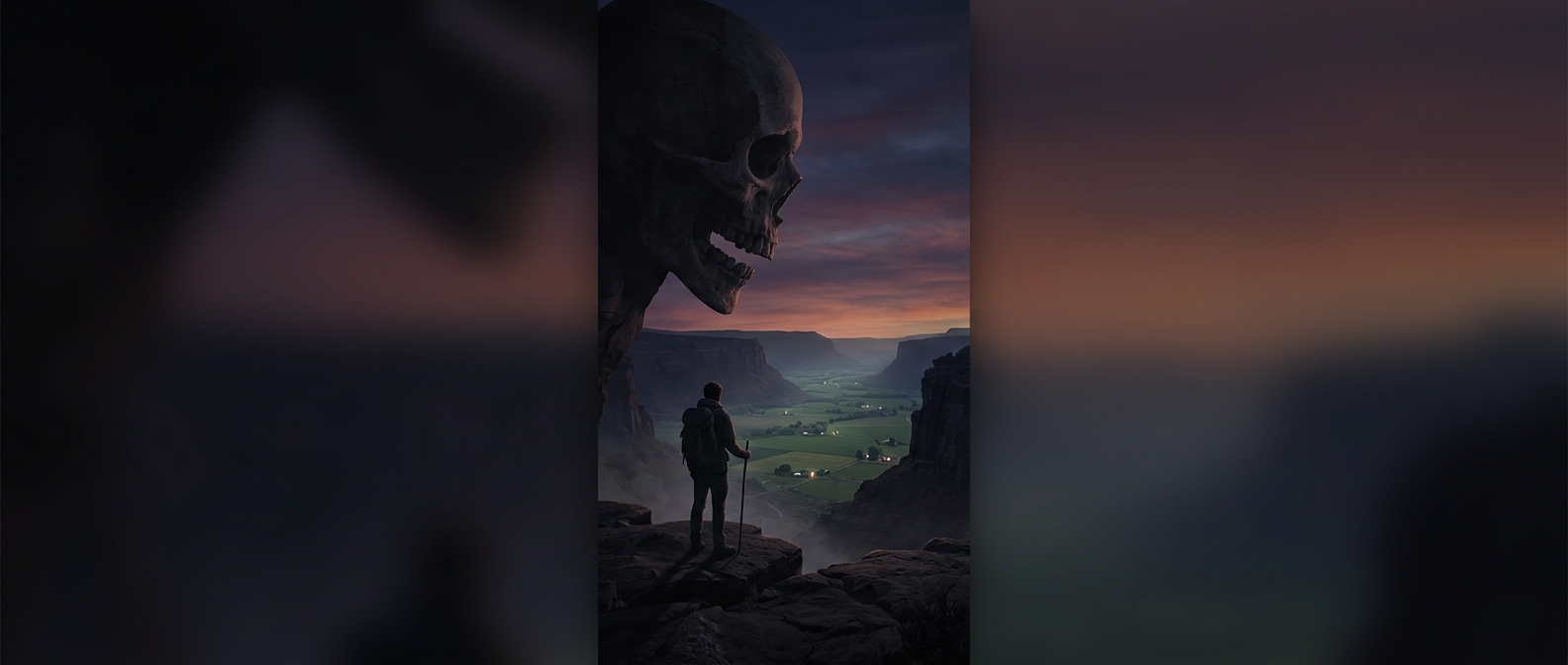
A Valley, Not a Mountain Pass
Skull Valley lies in Utah’s broad, dry basin country west of the Great Salt Lake. Its name can conjure a narrow route through rugged mountains, but the place is better understood as a rural valley: open land, scattered homes, and agricultural activity rather than a bustling settlement or historic outlaw stronghold.
Why the Landscape Feels So Quiet
In a farming community, activity is spread across fields and working properties instead of concentrated along busy streets. The valley’s wide, sparsely settled setting reinforces that sense of space. Farming in this dry part of Utah also depends on managing scarce water, making the landscape’s open acreage as much a practical feature of rural life as a scenic one.
The contrast is the memorable part: a name that sounds like a warning belongs to a place whose character is shaped by land, agriculture, and distance—not by the dramatic pass a visitor might imagine.