Why Home Can Feel Unfamiliar After a Long Trip
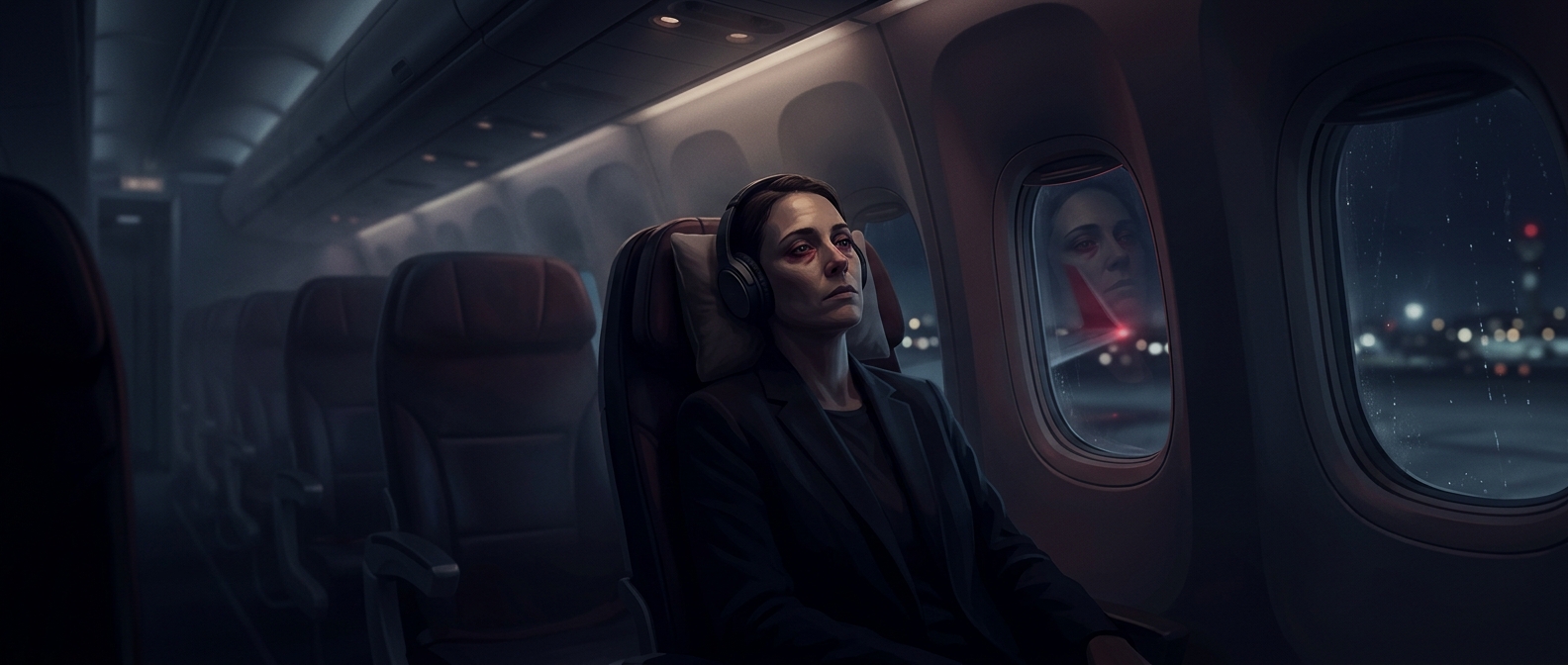
Returning travelers often expect to slide straight back into ordinary life. Instead, familiar places and routines can feel oddly muted. The contrast is part of the reason: travel demands constant attention to unfamiliar streets, customs, and conversations, while home runs on habits that require little thought. After months of adapting, that sudden predictability can feel less like comfort than a loss of momentum.
The Adjustment Happens in Both Directions
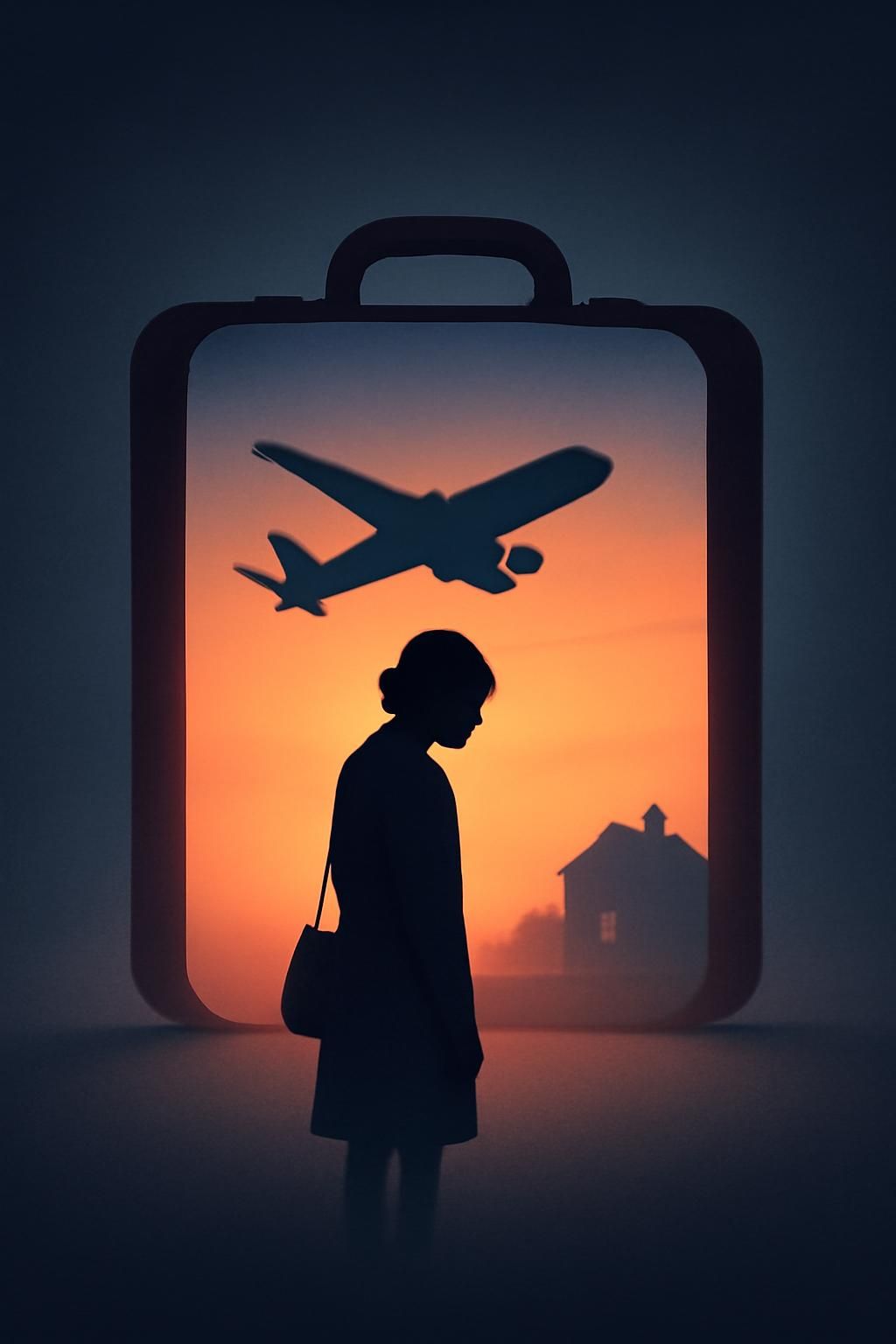
Living elsewhere changes what feels normal. A traveler may become more comfortable navigating uncertainty, relying on strangers, or making decisions without the usual supports. Coming home means adapting again—to the old pace, expectations, and practical routines. This is sometimes called reverse culture shock: the disorientation of returning to a place that has not changed much, while your own perspective has.
The change can be hard to explain because it is not necessarily a rejection of home. A familiar neighborhood may still be welcoming, but the traveler now notices its rhythms differently. Small choices that once felt automatic can seem newly restrictive or simply less vivid beside the constant novelty of travel.
Friends May Expect the Old Conversation
There can also be a mismatch between what the returning traveler wants to share and what friends are ready to hear. A trip may have occupied months of daily life, but for people at home it is a story they encounter after the fact. They may want to reconnect through familiar topics; the traveler may still be sorting through experiences that changed how they see ordinary life.
A gradual return can help: keep some routines from the trip, make space to talk with people who are curious, and allow time for home to feel like home again. The surprising part is that coming back is not simply the end of travel—it is another transition, with its own unfamiliar first days.