The race became a story readers could follow
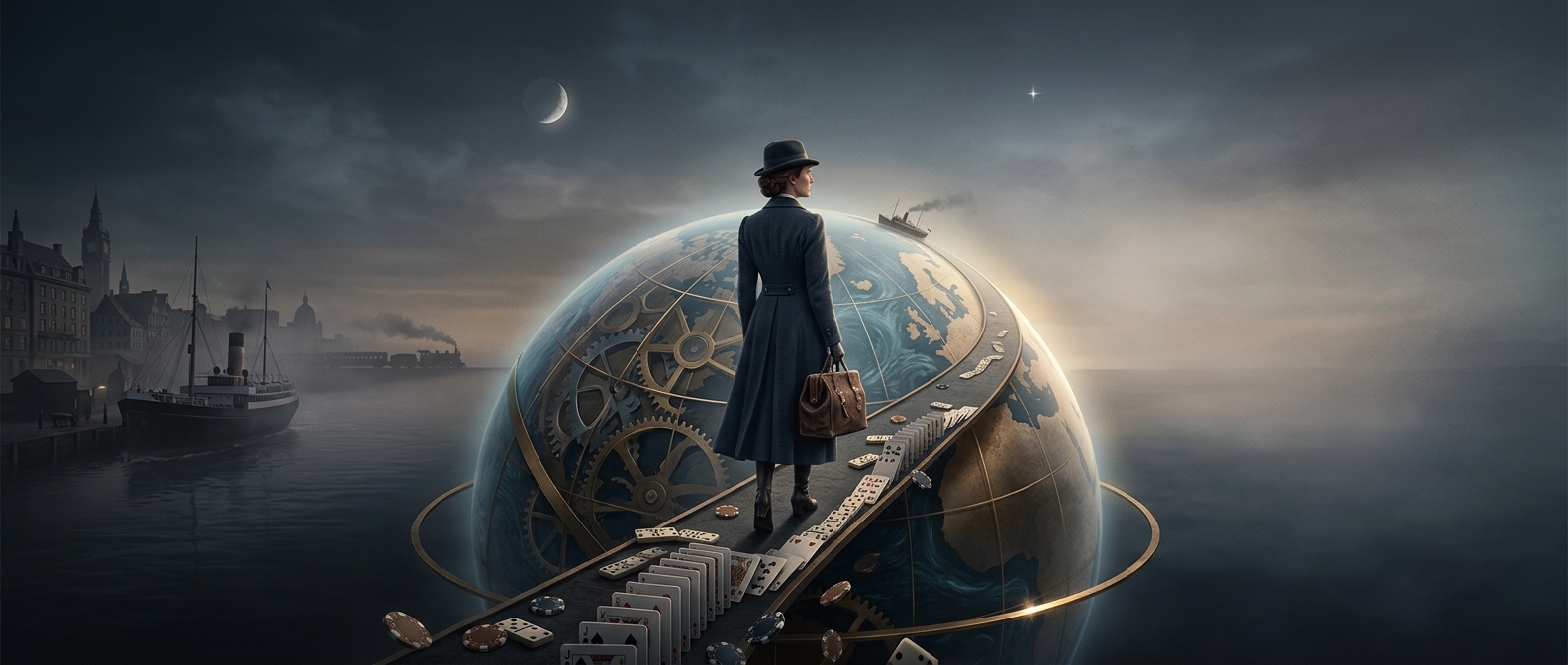
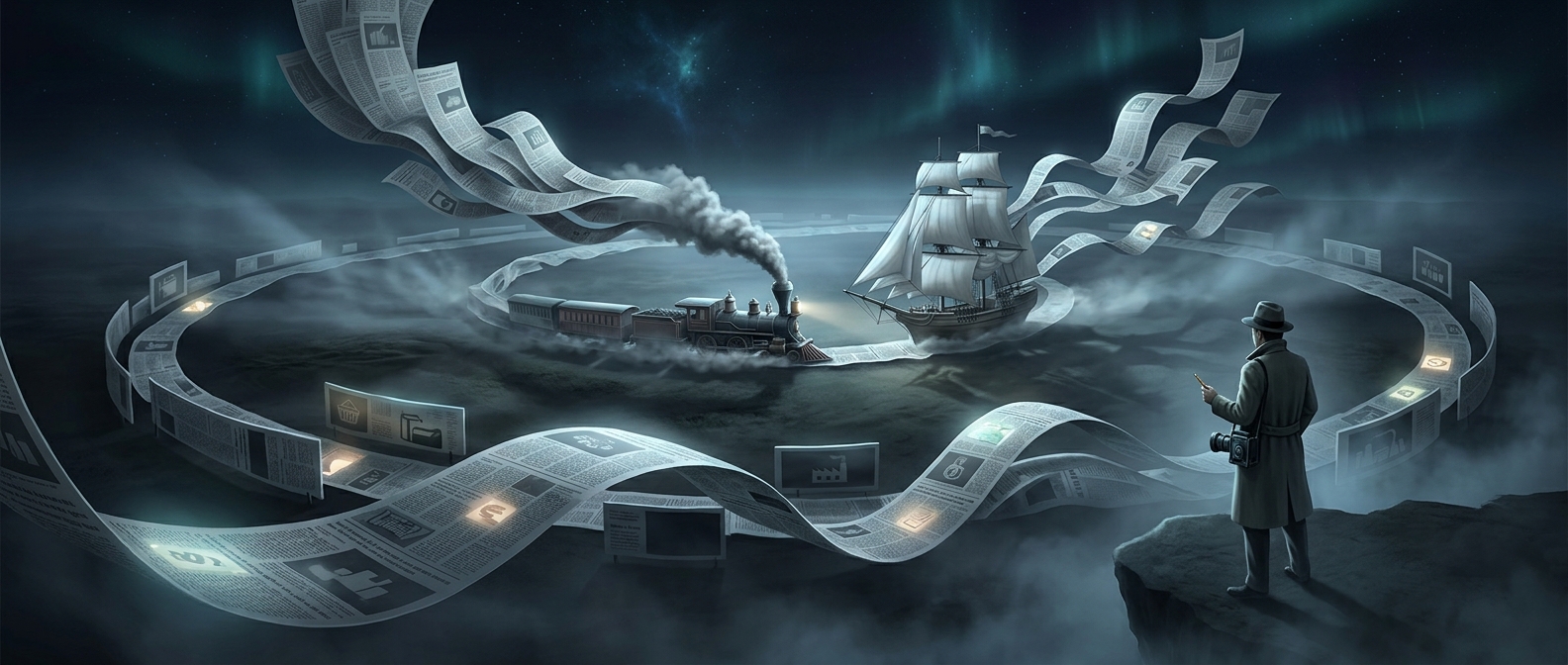
A round-the-world journey was difficult to picture from a newspaper page: the traveler moved through distant ports and railway stations, while readers stayed home. Publishers closed that distance by turning the trip into a running narrative. Each dispatch could report not just where a traveler had reached, but what had gone wrong along the way.
Missed trains and attempts to persuade steamship captains to hurry gave the journey a sequence of obstacles. Readers could wonder whether a delay would cost the traveler the lead, then look for the next report to find out. The trip was no longer only a faraway itinerary; it had the suspense of a contest unfolding in installments.
Setbacks kept the next edition in play
A routine update—another port, another stretch of rail—might not give readers much reason to return. A disrupted connection did. It made the traveler’s progress feel uncertain and gave the next dispatch a question to answer: had the lost time been recovered, or had the race slipped away?
That uncertainty also served the publisher. A story that continued from day to day could draw repeat attention, while a larger audience made the newspaper’s advertising space more valuable. The journey supplied the plot; the daily delays supplied the suspense.
Distance became part of the spectacle
The method depended on turning travel logistics into drama. Trains and steamships were not merely ways to cross a map; their schedules and captains could shape the outcome readers were following. By reporting those obstacles as they arose, publishers made far-off movement feel immediate enough to compete for attention—and for advertising—in each new edition.