Joshua Slocum’s unsettling calculation
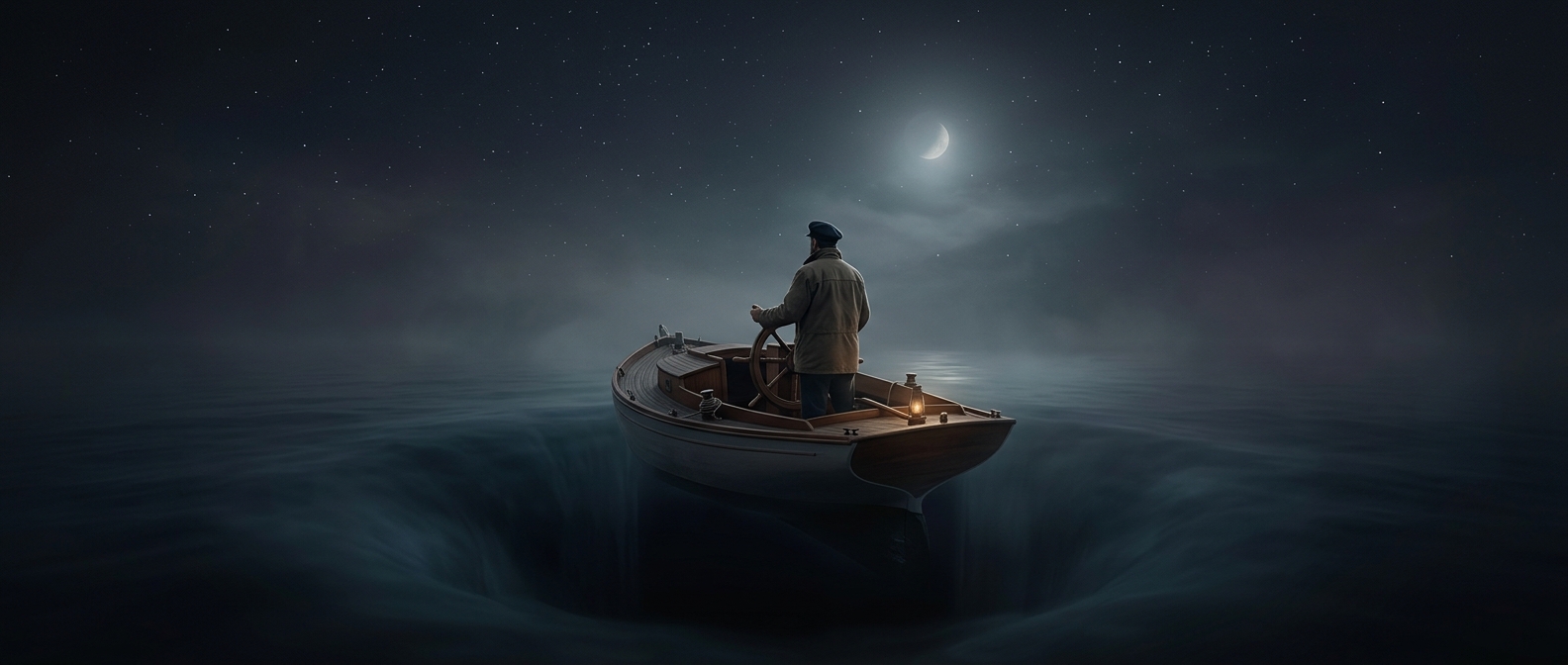
Joshua Slocum completed the first solo circumnavigation of the globe in his small sailing vessel, Spray, returning in 1898 after nearly three years at sea. He could not swim—and regarded learning as of little use if he went overboard in the open Pacific. In water far from land, he reasoned, swimming might delay drowning without bringing rescue any closer.
That was a bleak way to think about survival, but it reflected a real feature of ocean travel: a person in the water can disappear from a moving ship almost at once. A swimmer’s strength is limited, while the distance to safety may be vast. Swimming skill alone cannot solve the central problem of being separated from the vessel.
The ship was the lifeline
For a sailor alone, staying aboard mattered more than being able to swim. Slocum had to manage Spray himself—steering, handling sails, and keeping the boat on course—so a fall overboard could leave the vessel sailing away without anyone to turn it back. In that situation, the ship was not merely transportation; it was shelter, supplies, and the only practical route home.
His attitude should not be mistaken for a general rule that swimming is useless at sea. The outcome depends on conditions: how close the vessel is, whether someone can help, and whether the person has flotation or other protection. But Slocum’s reasoning captures the harsh arithmetic of a solo voyage: in the open ocean, surviving often depends less on what you can do in the water than on never losing the boat in the first place.