A finish line readers could try to predict
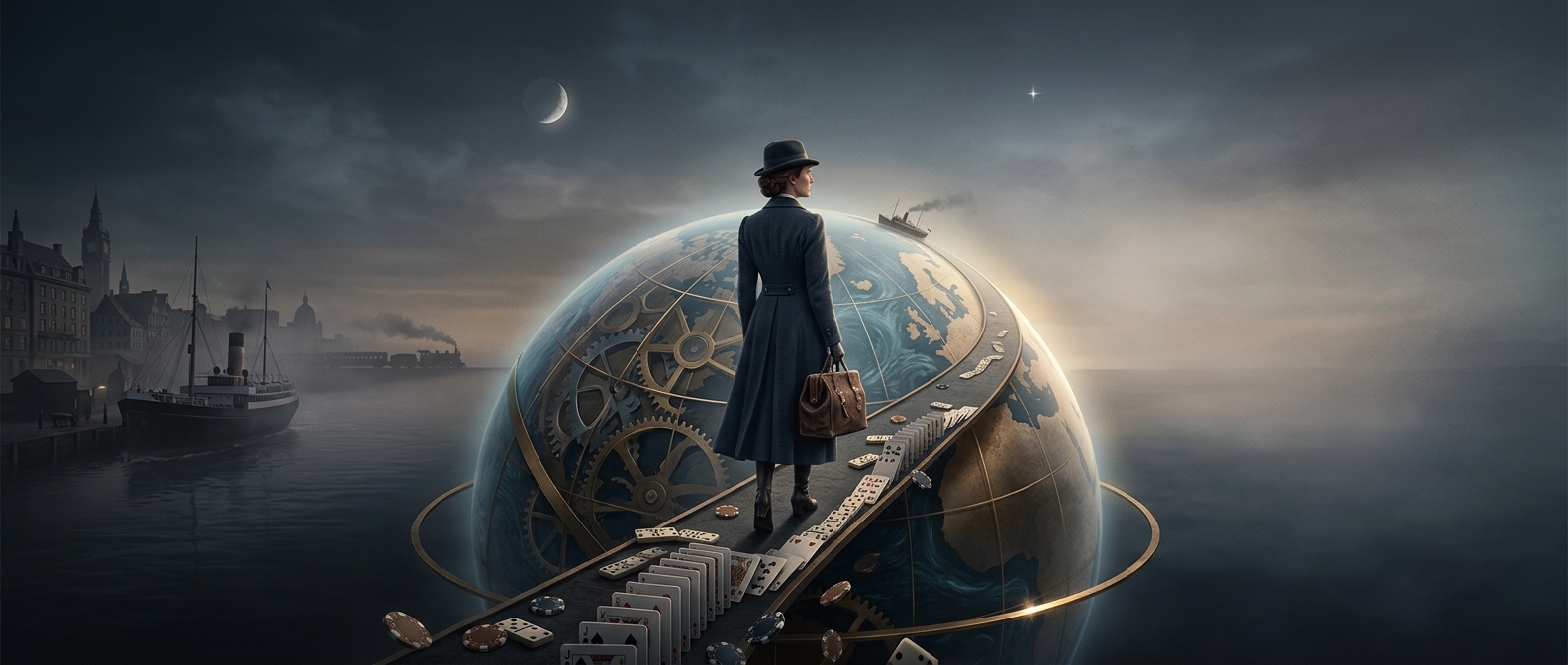
Nellie Bly’s journey was more than a test of how quickly one traveler could circle the globe. For readers of Joseph Pulitzer’s New York World, it became a public countdown: they could submit a guess for the precise moment she would arrive, not merely the day.
That level of precision turned a distant trip into a puzzle. Each reader had to imagine how the remaining travel would unfold and commit to a single finishing time. The contest gave people a way to take part while Bly was still on the move, rather than waiting to read about the completed journey.
The newspaper made travel interactive
A newspaper normally carries news from elsewhere to its readers. Here, the paper also gave readers a role in the story: their predictions became part of the event surrounding Bly’s return. The scale—nearly a million guesses—shows how widely the journey captured attention.
The betting-pool description is best understood as a contest of predictions, not evidence that readers were wagering money. Its memorable twist was the demand for an exact arrival time, down to the second. Bly’s finish was therefore not just a moment to report; it was a moment readers had been invited to anticipate.