Why a trip around the world took days
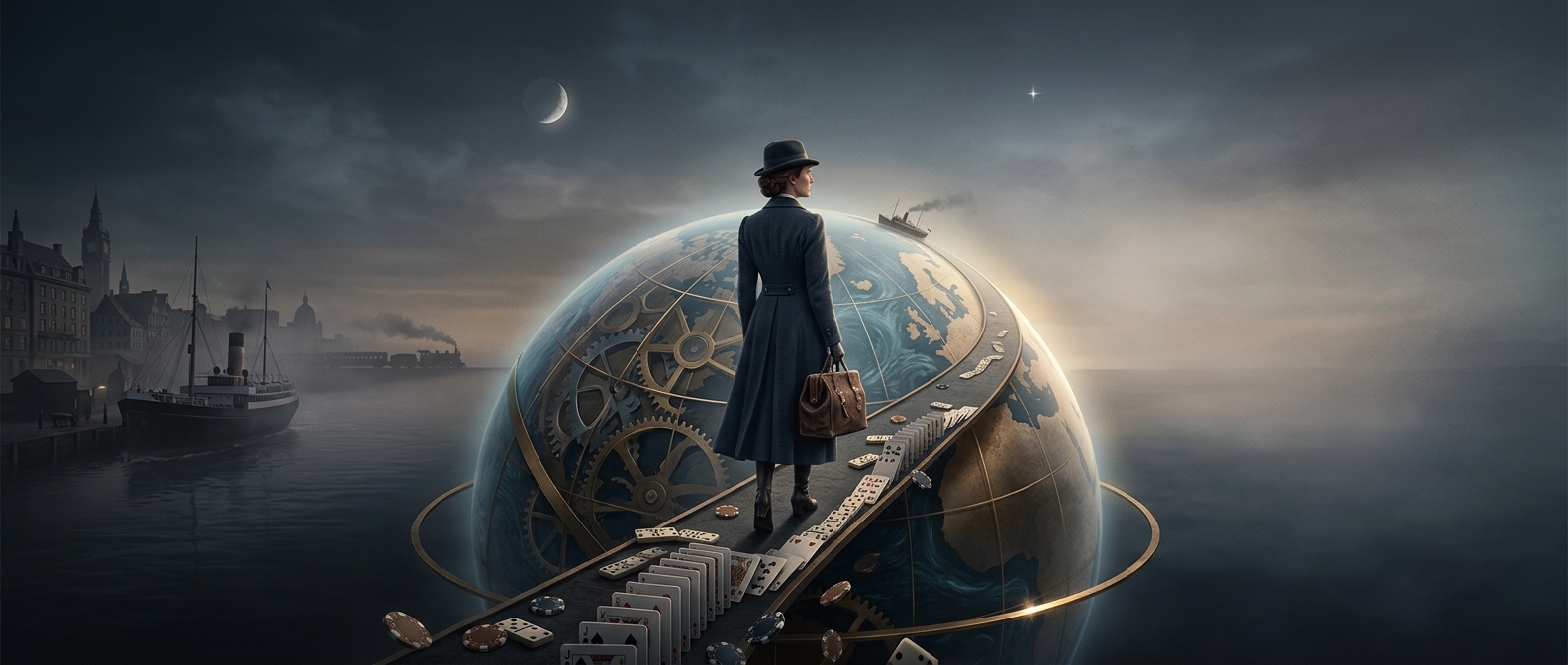
Pan Am’s Flight 001 made global air travel possible before aircraft had the range to cross vast distances in a single leap. Its route was a chain of shorter legs: the plane had to land repeatedly to refuel, while passengers and crew endured the pauses between departures. Crossing oceans and continents therefore meant spending days in transit, not simply adding up the hours the aircraft was airborne.
Those stops were part of the journey’s infrastructure. Airports along the way supplied fuel and other support, and each landing tied the flight to places that could handle a large, long-distance aircraft. A delay at any stop could stretch an already lengthy itinerary.
A feat, but not yet an easy way to travel
The flight’s achievement was to connect distant regions in one scheduled journey around the globe. Its cost and duration kept the experience far removed from today’s idea of routine international travel: it was an expensive undertaking aimed at passengers who could afford both the fare and several days for the trip.
The contrast is striking. A modern nonstop flight can make an ocean crossing feel like one continuous ride; Flight 001 made the world feel connected by stitching together a succession of landings, departures, and waits.