The last hole is built to end the ball’s journey
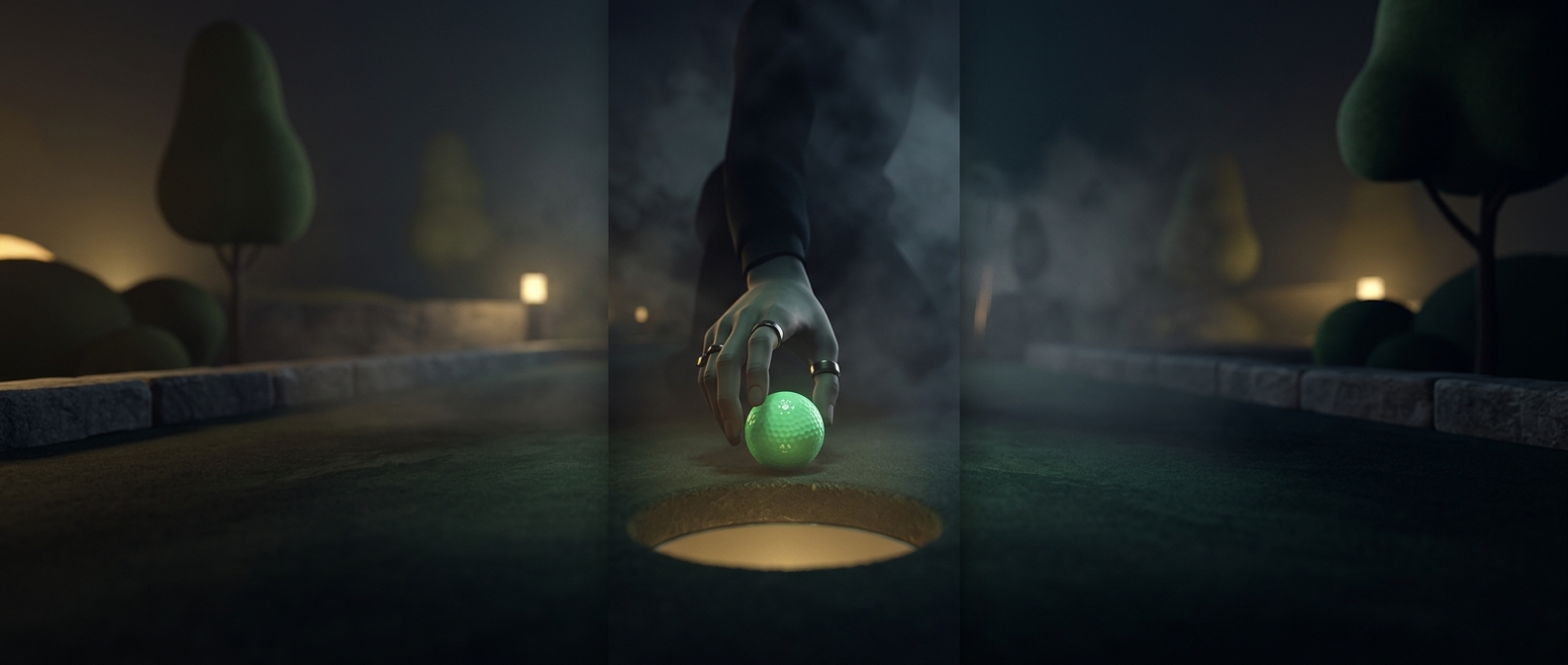
On many mini-golf courses, the final hole works differently from earlier ones. Its steep inward slope funnels the ball toward a narrow opening connected to a collection tube. Once the ball drops in, it rolls out of the player’s reach instead of returning to a spot where it can be putted again.
The slope does the guiding; gravity does the moving. Because the opening sits at the low point, a ball that reaches the end is drawn into the tube, which carries it to a place where course staff can retrieve it. That hidden route turns a simple cup into a one-way exit.
A small design change, a clear finish
Earlier holes usually leave the ball available for the next player or the next stroke. The final hole can remove it from play, making it obvious that the round is over and keeping the ball from lingering around the last green. The tube also lets staff gather balls without reaching into a difficult-to-access pocket beneath the hole.
So the final putt does more than land the ball: it sends it backstage. The steep slope is the visible part of a quiet handoff from the game to the course’s collection system.