Why a plan made at your desk can fail in the moment
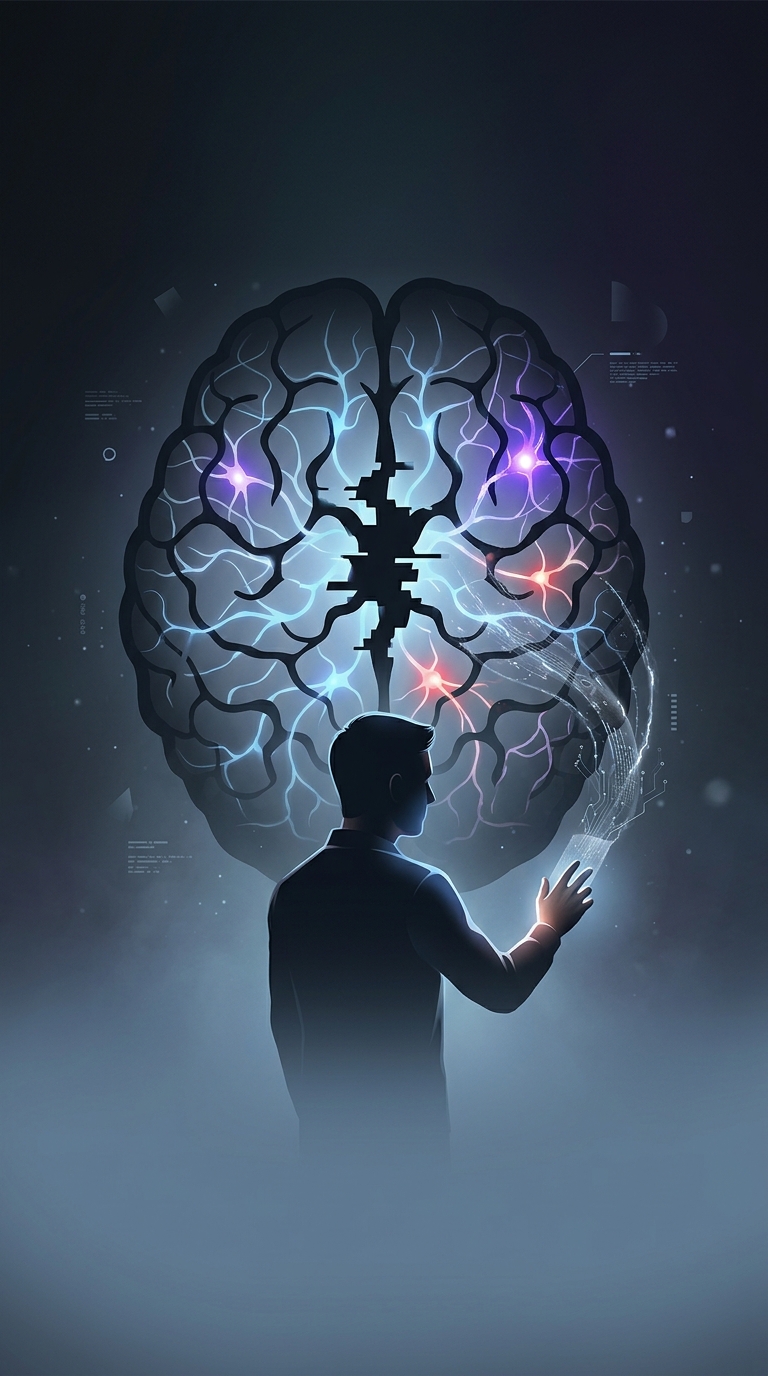
Psychologists call it the hot–cold empathy gap: when people are calm, they tend to underestimate how strongly a future state—such as hunger, fear, pain, or fatigue—will shape what they want and how they act. The reverse can happen too: while distressed, it can be hard to imagine how manageable a problem will feel once the distress passes.
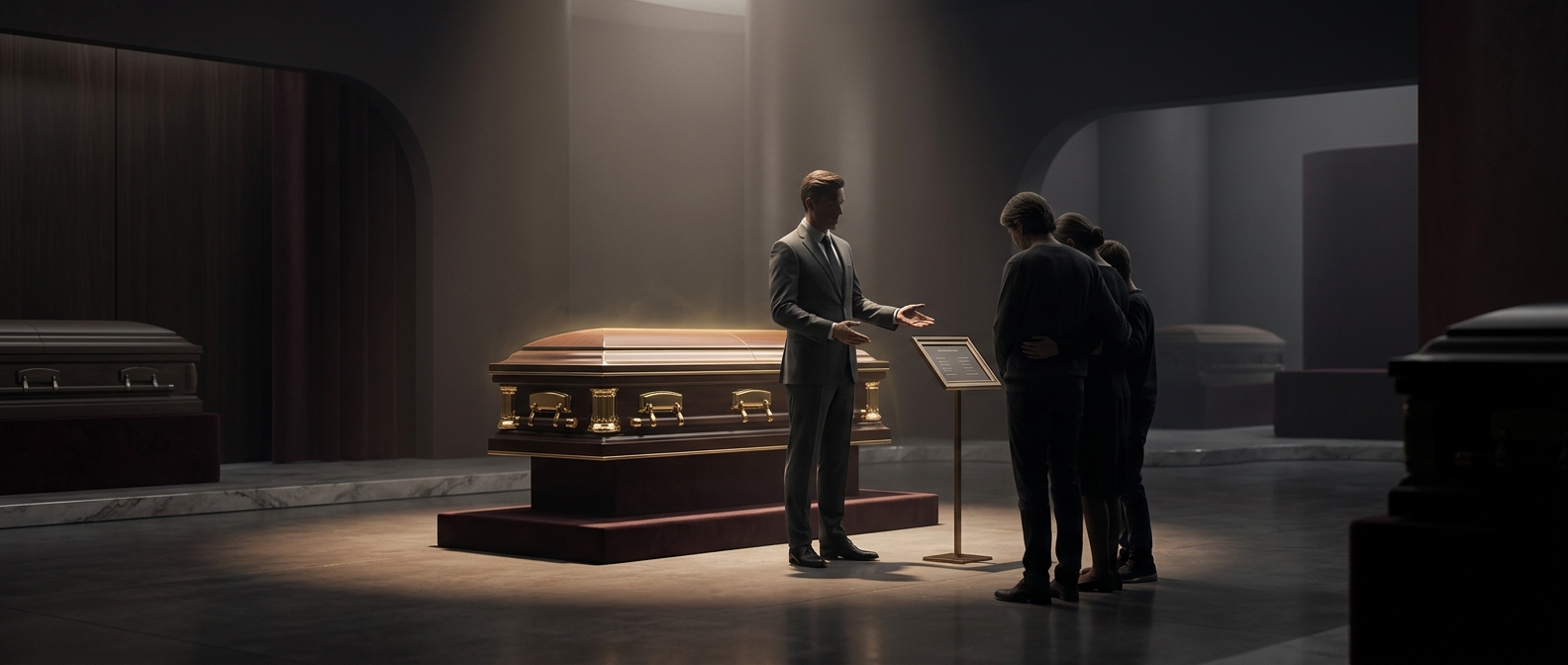
The gap matters because people often make decisions in one state and carry them out in another. Someone who is rested may promise to work late, skip a meal, or refuse an expensive convenience. Under pressure or exhaustion, the immediate relief can feel more valuable than the earlier plan anticipated. The choice is not necessarily a failure of character; the person is weighing costs and rewards from a changed perspective.
The economic cost of misjudging your future self
This mismatch can distort everyday tradeoffs. A worker may underestimate how much fatigue will reduce concentration, then make costly mistakes. A shopper may plan to cook after a long day, but reach for takeout when the effort feels larger than it did earlier. In each case, the plan leaves out a cost that becomes vivid only when the relevant state arrives.
It can also affect decisions involving other people. A manager who has never worked an exhausting shift may underestimate what a demanding schedule costs employees. A policymaker making choices from a comfortable setting may overlook how hunger or stress changes the practical value of a service. The hidden expense is not just money: it can be time, attention, health, or trust.
Build the decision around the state you will be in
A useful response is to make important choices before the pressure peaks, while also designing for the conditions in which the choice will be used. That might mean preparing food in advance, setting a spending limit, or making a demanding task easier to start when tired. These steps reduce how much a future decision depends on willpower alone.
The key is not to assume that calm-you can accurately simulate every future feeling. A plan is more reliable when it accounts for the version of you who will actually have to follow it.