How Bimini Became a Place of Promise
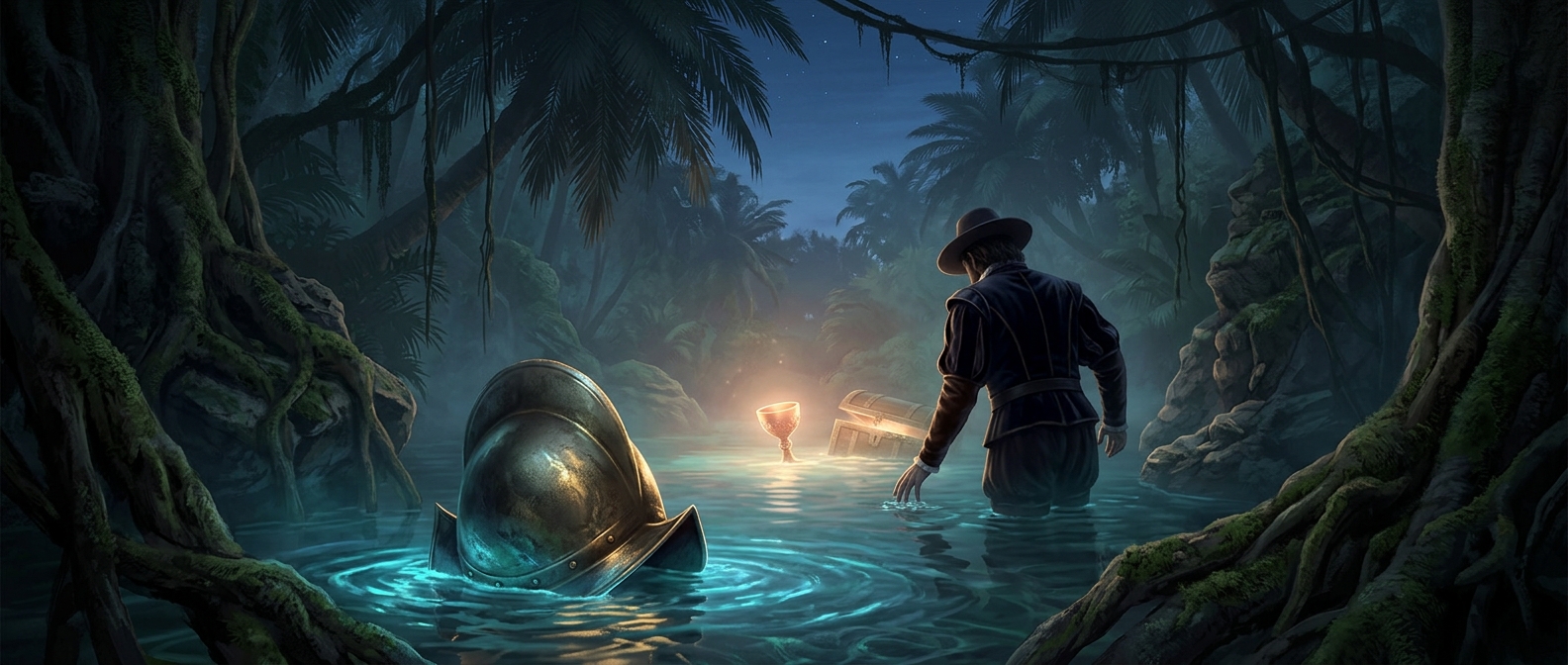
Bimini, a group of islands in the Bahamas, entered European stories as a place where water could restore youth. The promise was simple and irresistible: aging was not inevitable if a person could find the right spring and bathe in it. In the age of ocean voyages, that kind of tale could turn an unknown island into a destination of extraordinary importance.
The story is often tied to Spanish explorer Juan Ponce de León, whose 1513 voyage reached Florida and nearby islands. But the familiar claim that he made the voyage specifically to find a Fountain of Youth is not securely established by contemporary evidence. The association grew in later retellings, which fused the explorer’s travels with the legend.
Why the Legend Traveled
A spring that reversed aging offered more than a marvel: it promised to solve a problem no journey could otherwise fix. Stories of wondrous places also helped make distant territory imaginable to people who had never seen it. Bimini became memorable not because its waters were shown to have special powers, but because the tale gave a name and a destination to the hope of escaping time.
That distinction matters. Ponce de León’s voyages were real; the restorative pool belongs to legend. The enduring image of a quick dip in Bimini’s waters is a reminder of how easily a compelling story can become attached to a historical figure—and survive long after the evidence for the connection has faded.