Why Victor Hugo Appears in Cao Dai’s Spiritual World
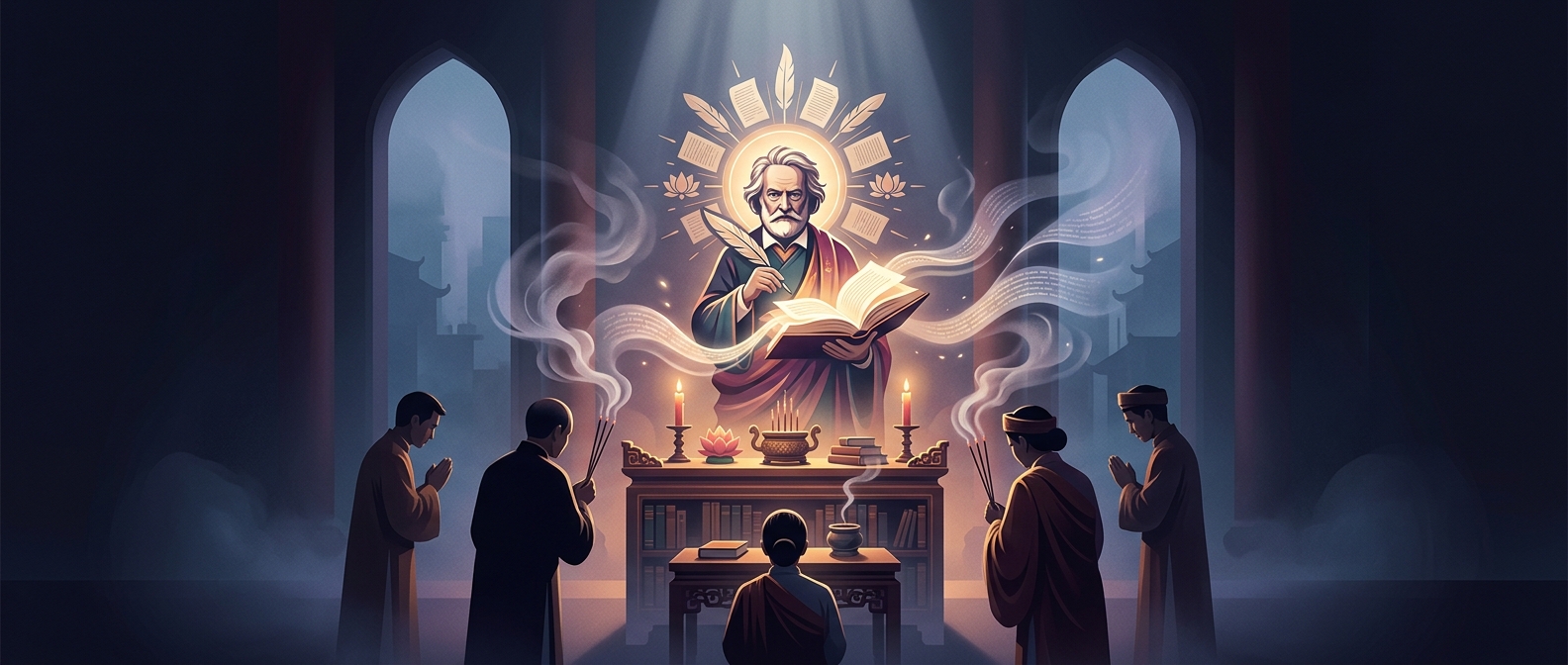
Cao Dai, a religion that took shape in southern Vietnam in the 1920s, brings together elements drawn from several traditions, including Buddhism, Taoism, Confucianism, Christianity, and spiritism. In its teachings, Victor Hugo is honored as a saint—not through the Catholic process of canonization, but as a revered spiritual figure within Cao Dai’s own religious system.
That distinction matters: Cao Dai’s “saints” are not limited to founders or figures from one faith. Hugo shares this status with people from very different backgrounds, reflecting the religion’s belief that spiritual truth can speak across cultures and historical periods.
From French Writer to Spiritual Guide
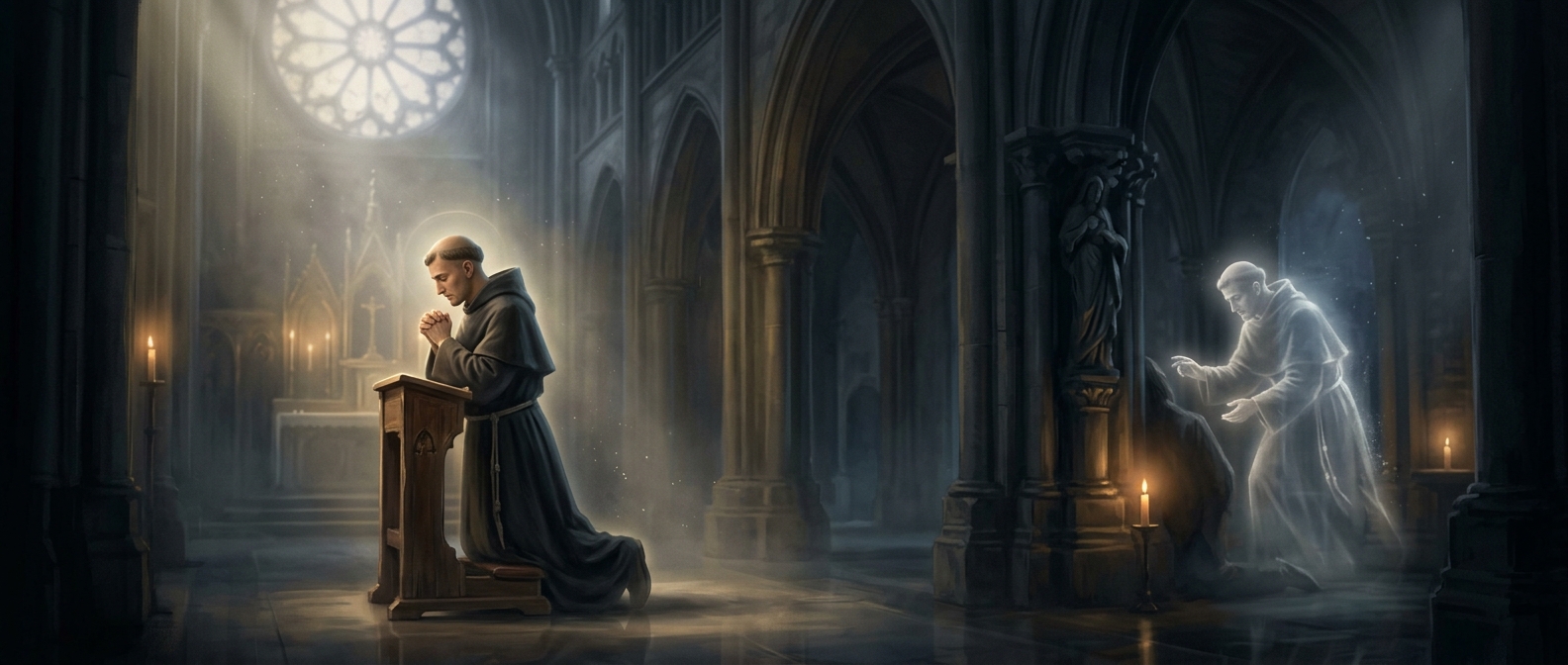
Hugo is best known for novels such as Les Misérables, but Cao Dai’s regard for him rests on a different kind of legacy. The religion’s early practitioners used spirit-writing—messages believed by believers to come from the spirit world and recorded during religious sessions. In Cao Dai tradition, Hugo was among the spirits who communicated guidance, and he is associated with leading souls toward spiritual perfection.
This is a religious belief, not a claim that can be established by literary history. Its significance lies in what Hugo represents to Cao Dai: a celebrated European writer could be welcomed into a Vietnamese spiritual tradition without being treated as an outsider to its sacred world.
A Wider Religious Map
Hugo’s place in Cao Dai helps make the faith’s universal outlook visible in a single, surprising figure. Its sacred community crosses national and religious boundaries, presenting spiritual progress as a shared human possibility. The French author is remembered not chiefly for the characters he wrote, but for the role Cao Dai assigns him beyond earthly life.