
A closer look
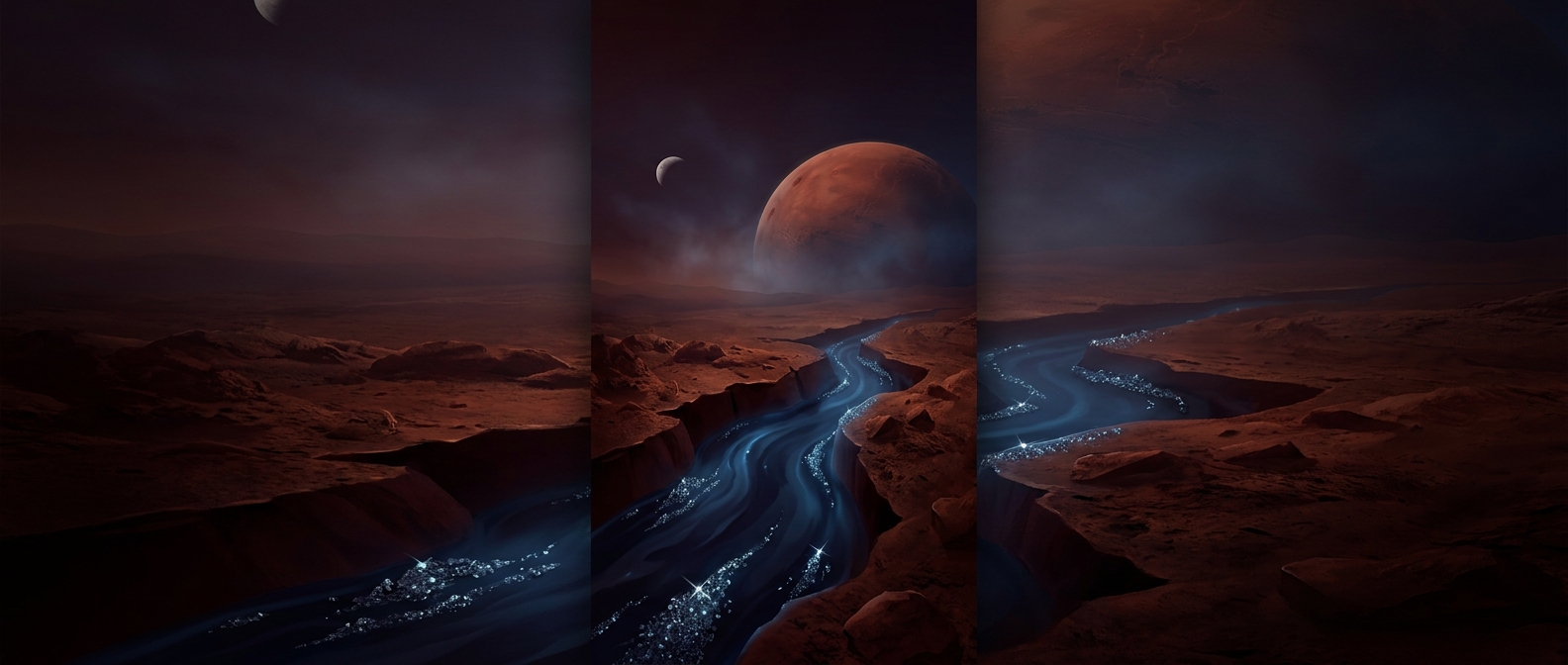
Mars is known as the Red Planet, but scientists recently discovered patches of glass-like minerals scattered across its surface. These minerals form only under extreme heat—like from massive impacts millions of years ago. Why does this matter? Because trapped inside that glass, microscopic life—if it ever existed—could be preserved like insects in amber. One day, future astronauts or rovers may crack open these Martian time capsules and peer into biology frozen for eons. The idea that alien microbes could be waiting, perfectly preserved, is astonishing. Beyond curiosity, it forces us to prepare for responsibility: if we bring life back, even a microbe, it’s not just discovery, it’s a reunion across the stars. Suddenly Mars isn’t just a rock—it’s maybe a fossil library waiting to be read.