A thin layer of water becomes a bond
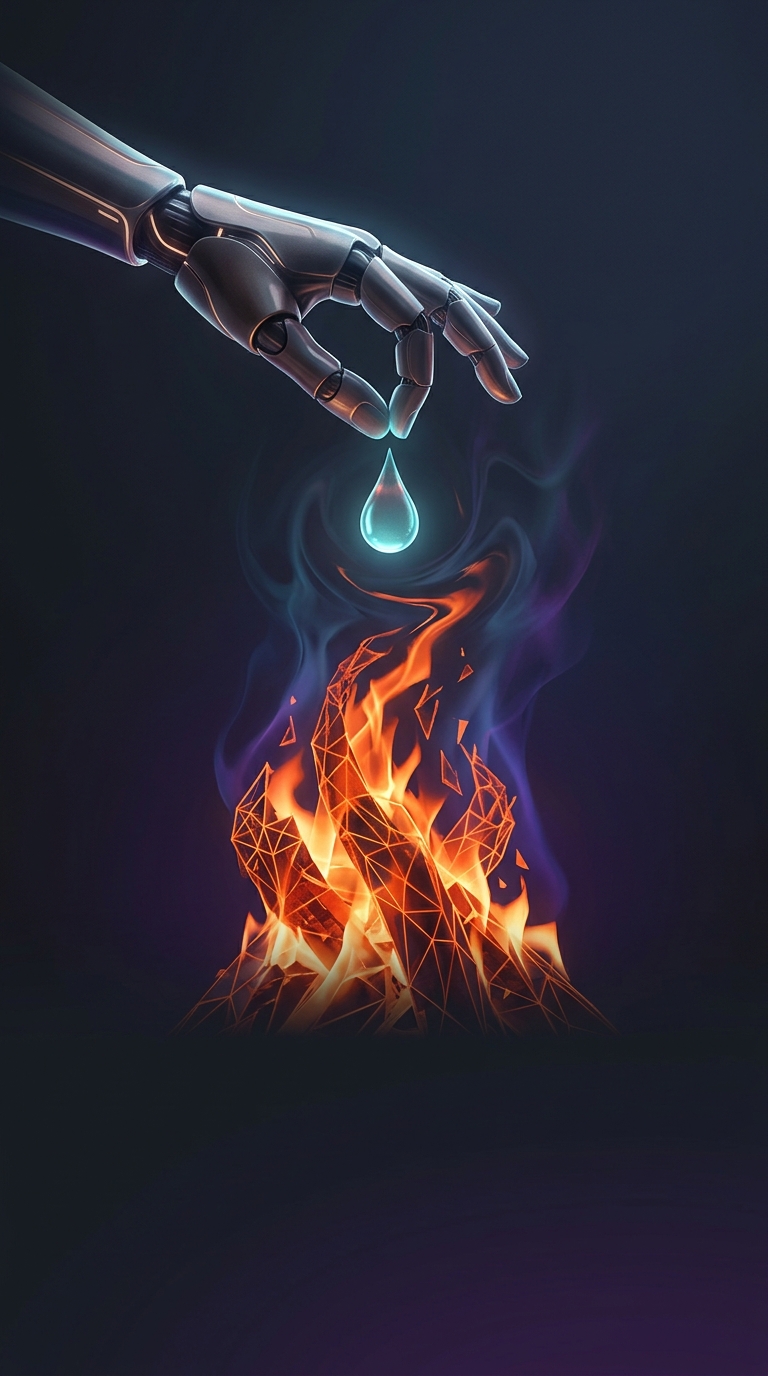
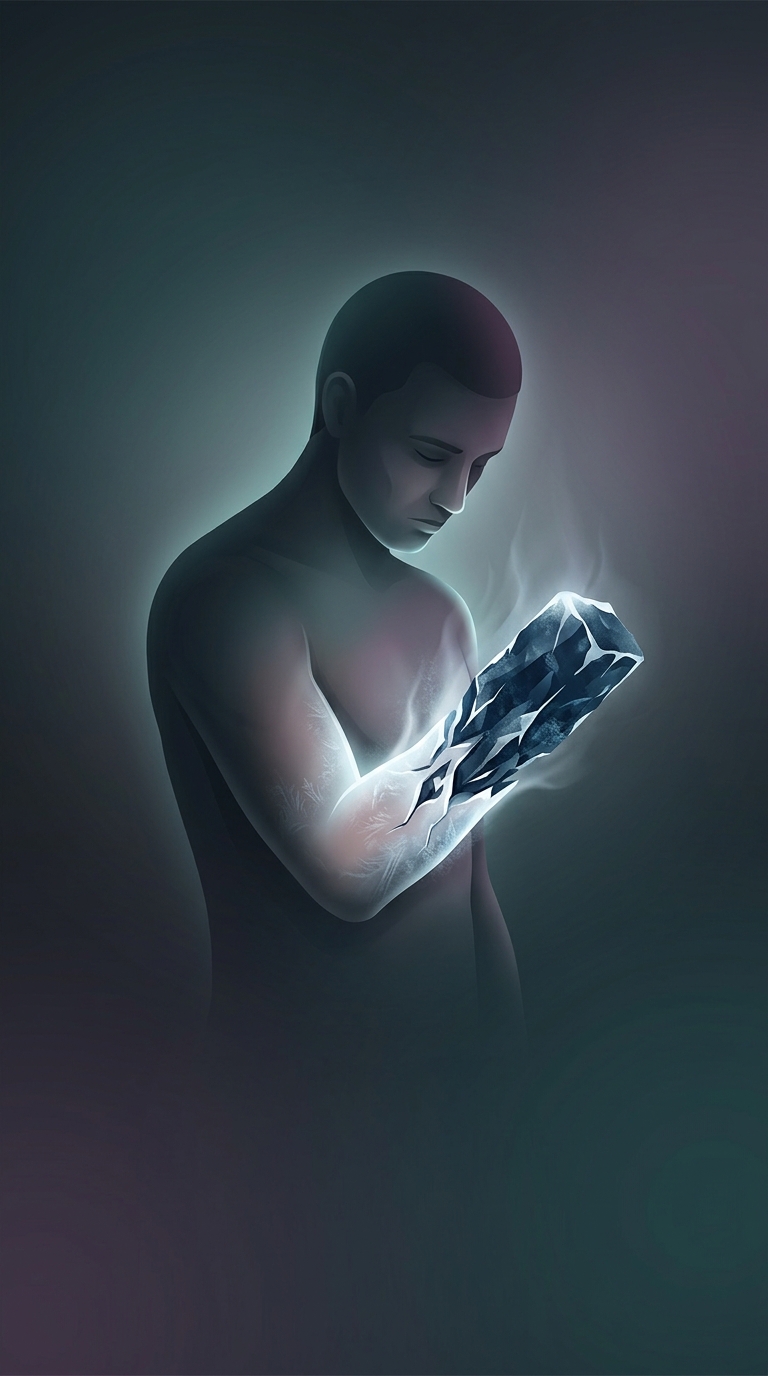
Your skin is rarely perfectly dry. Even a trace of moisture can form a film between your fingers and an ice cube. Because the cube is colder than the freezing point of water, it pulls heat out of that film; the water freezes and forms a tiny bridge between skin and ice.
The same heat transfer chills the surface of your skin. The colder the cube and the longer the contact, the more firmly the frozen moisture can hold. A damp finger can therefore stick more readily than a dry one.
Why it hurts—and why pulling is a bad idea
Cold-sensitive nerves in the skin signal the sudden drop in temperature as pain. If you jerk your hand away while the frozen bond is holding, the ice can tug at the skin and injure its surface. The sharp pain is a warning to break the bond gently, not to yank harder.
Warm water can melt the thin frozen layer and release the skin. The key is that the cube is not simply “sticking” like glue: water from the skin freezes at the point of contact, briefly fastening skin to ice.