Water wins by pulling heat out of the fire
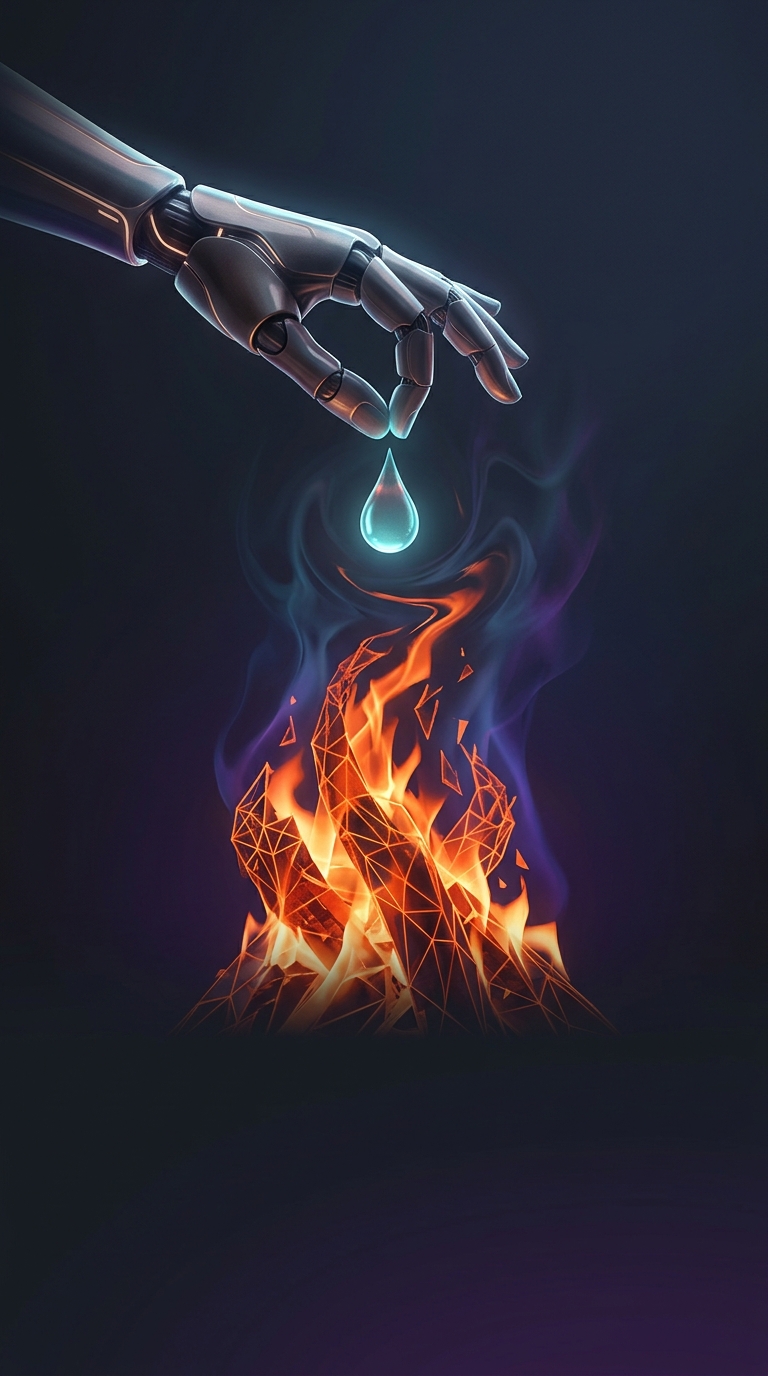
A campfire keeps burning when its fuel is hot enough to release flammable gases, which then react with oxygen. Pouring water onto the flames does not mainly work by smothering them. It works by cooling the fuel below the temperature needed to keep that reaction going.
Water can absorb a great deal of heat as it warms, and it absorbs even more as it turns to steam. That energy comes from the burning wood and embers. As they cool, they release fewer flammable gases; the flames shrink and eventually die. The steam may briefly crowd air away from part of the fire, but cooling does the essential work.
Why a campfire can flare back up
A quick splash may knock down visible flames without cooling the dense bed of coals beneath them. Those coals can stay hot enough to reignite wood or dry material nearby. Water also may run around a piece of fuel rather than soaking into its cracks, leaving hot pockets hidden under ash.
That is why a fire can appear out and then glow or smoke again. The important change is not that the flames have vanished from view, but that the fuel and embers have lost enough heat to stop producing the gases that feed them. In a campfire, the quiet-looking bed of coals can hold the heat that brings the blaze back.