A second world beneath the familiar one
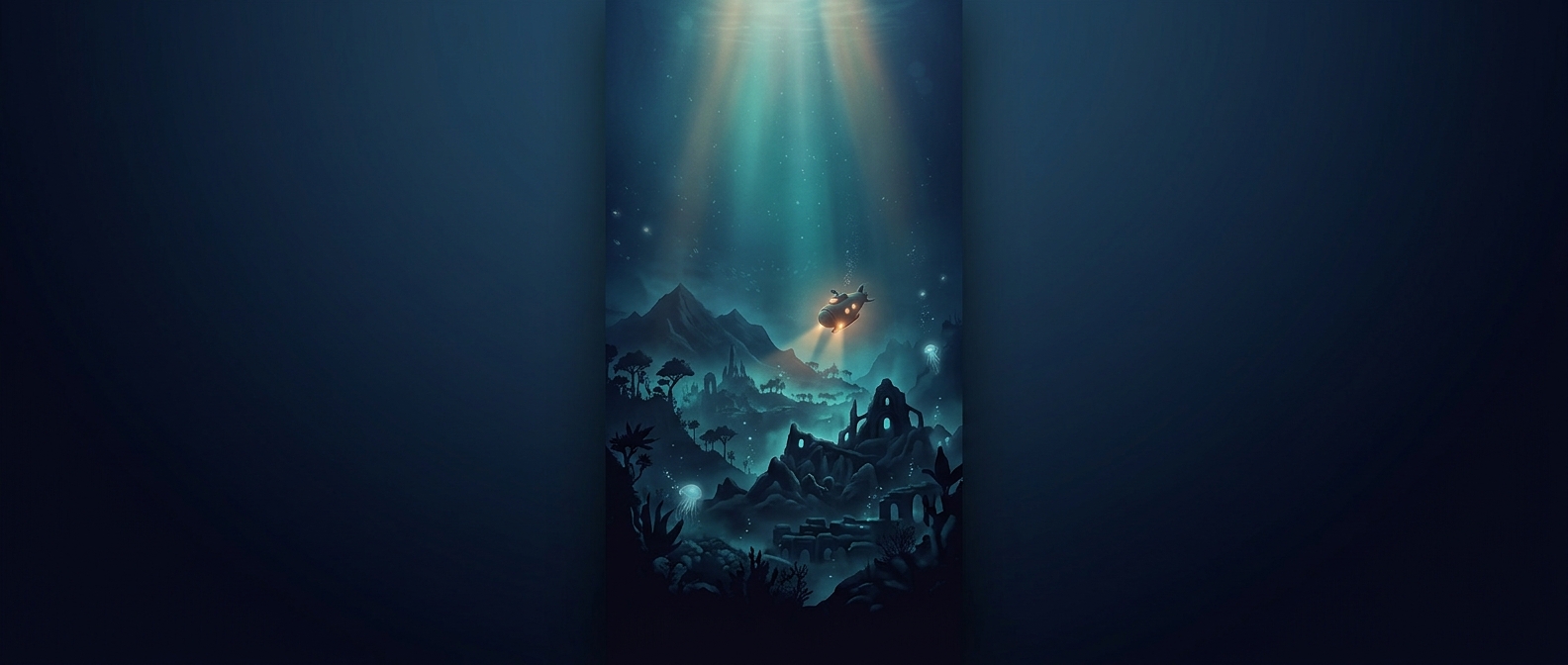
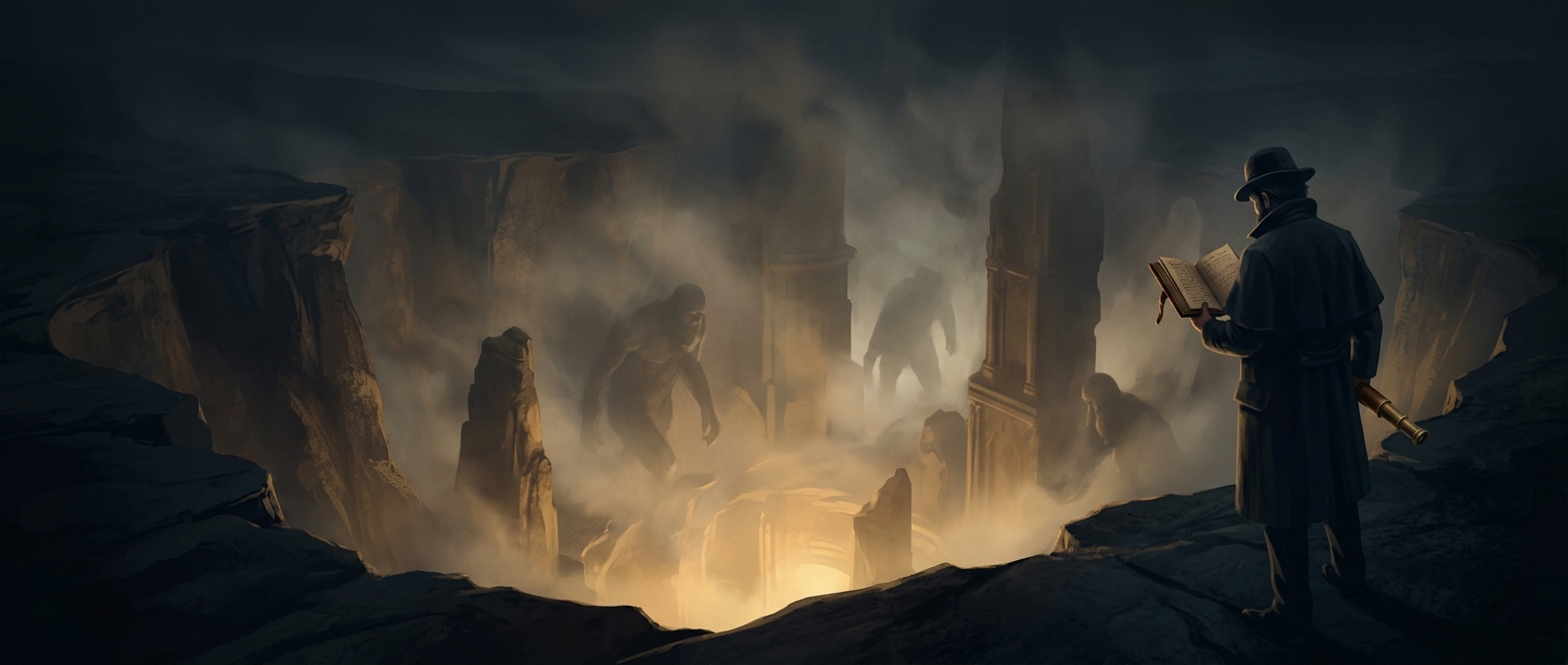
For some Victorian-era writers, Earth was not a solid globe but a shell around an inhabited interior. In their imagined geography, openings near the poles connected the surface to a vast inner landscape: a place of mild light, abundant growth, giants, and civilizations unknown to the outside world.
This was more than a convenient plot device for certain authors. They treated the possibility as a serious account of what Earth might contain, even though the details belonged to speculation rather than established geology. The idea turned a planet that seemed largely mapped at its surface into a hidden frontier. A traveler who crossed a polar opening could, in principle, discover not another continent on the map but an entire world concealed inside it.
Why the idea could feel imaginable
The theory offered a dramatic answer to questions about the planet’s unexplored regions and unseen interior. Its polar entrances supplied a route in; the imagined inner light and fertile landscape made life there seem possible. Giants and alien societies then extended the premise from unusual geography to a radically different human world.
That chain of ideas mattered: the hollow Earth was both a proposed structure of the planet and a setting for stories of discovery. As geological knowledge accumulated, the model lost credibility; the imagined passages and inhabited interior did not become observed features of Earth. Yet the image endured because it made the planet’s least accessible regions feel like doors rather than boundaries. A polar expedition, in this vision, might lead not merely to the edge of the known world, but through it.